
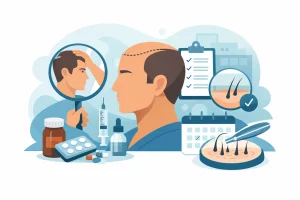
How to Prepare for Hair Transplant Surgery
Learn how to prepare for hair transplant surgery with clear advice on assessments, medicines, scalp care, recovery planning and realistic expectations.
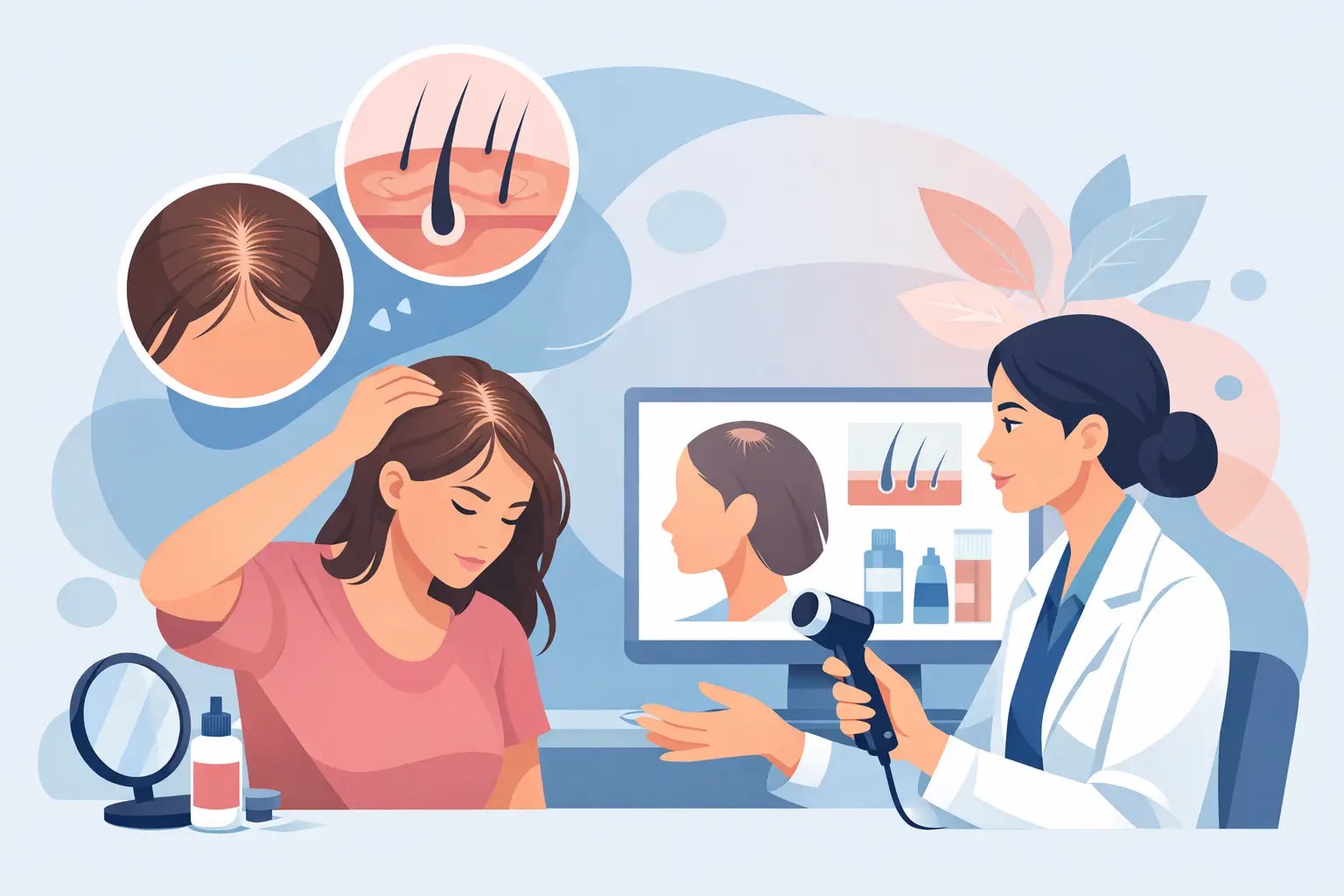
Hair on the pillow, a wider parting, more scalp showing under bright light – for many women, these changes do not feel minor at all. If you are searching for a female hair loss treatment dermatologist, you are usually not looking for another shampoo recommendation. You want a clear answer, an honest assessment, and a treatment plan that makes sense for your hair, scalp, and stage of loss.
That is exactly where specialist care matters. Female hair loss is rarely one simple problem with one simple fix. It can be hormonal, genetic, inflammatory, stress-related, nutritional, or linked to scalp conditions that are easy to miss without close examination. The right clinician does not just look at the hair shaft. They assess the scalp, the pattern of shedding or thinning, your medical history, and the timing of the change.
Many women wait too long before seeking expert advice because they assume shedding will settle on its own. Sometimes it does. Quite often, it does not. If your ponytail feels thinner, your temples are receding, you are seeing increased shedding for more than a few weeks, or your scalp feels itchy, flaky, tender, or unusually oily, it is worth arranging an assessment.
A specialist is particularly important if you have tried over-the-counter products without success. Hair loss can look similar from the outside while having very different causes underneath. Female pattern hair loss, telogen effluvium, traction alopecia, alopecia areata, and scalp inflammation may all present as thinning, but the treatment pathway is not the same.
This is why a proper consultation should never begin and end with a product shelf. Good care starts with diagnosis.
A thorough consultation should feel detailed, not rushed. You should be asked when the hair loss began, whether it was sudden or gradual, whether there have been pregnancies, illness, weight change, medication changes, emotional stress, or family history. Your scalp should be examined carefully, and the distribution of hair loss should be assessed rather than judged casually.
In many cases, the discussion also covers lifestyle, nutrition, styling habits, and whether there are signs of breakage as well as shedding. This matters because not all thinning is true follicle miniaturisation. Sometimes the issue is compounded by scalp imbalance, heat damage, tight hairstyles, or poor post-procedure care after other treatments.
At a specialist practice, the goal is not just to identify what is happening now, but to estimate what is likely to happen next if the problem is left untreated. That is often the difference between maintenance and meaningful progression.
The right treatment depends on the diagnosis, severity, and how long the hair loss has been active. A trustworthy practitioner will explain the likely benefit of each option, where the limits are, and what kind of commitment is needed.
For female pattern thinning, medical treatment may help slow miniaturisation and support regrowth. Some women benefit from topical therapies, while others may need a broader plan that takes hormones, nutritional factors, and scalp condition into account. Results are rarely overnight. Hair responds in cycles, so most effective plans need time and consistency.
This is where expectations need to be realistic. The aim may be to reduce shedding, improve density, preserve existing hair, or support stronger regrowth. Not every patient will achieve dramatic reversal, especially if follicles have been inactive for a long period.
PRP is often considered by women who want a science-led treatment that supports natural hair restoration. It uses your own platelet-rich plasma to deliver growth factors into targeted scalp areas. In the right patient, PRP can support hair quality, improve density, and complement other treatments.
It is not a miracle treatment, and it is not suitable for every type of hair loss. Its success depends on diagnosis, timing, scalp health, and treatment consistency. When used properly as part of a personalised plan, it can be a valuable option for women with thinning hair who want a non-surgical route.
Healthy hair grows from a healthy scalp. That sounds obvious, but it is often overlooked. If the scalp is inflamed, congested, excessively flaky, or affected by dermatitis, treatment that focuses only on regrowth may underperform.
A scalp-health-led plan may include targeted cleansing, anti-inflammatory support, adjustments to products, and in-clinic therapies aimed at improving the environment around the follicle. This is especially relevant for women who feel their scalp has changed alongside the hair loss.
Not every woman with hair thinning is a transplant candidate, and not every transplant solves the underlying issue. If surgery is being considered, or has already taken place, specialist support remains important. Native hair can continue to thin if the underlying pattern is not managed, and scalp care before and after surgery can affect recovery and long-term appearance.
For this reason, medical management and maintenance are often just as important as any procedure itself.
Hair loss trends spread quickly, especially on social media. Oils, supplements, scalp massages, red light devices, and so-called miracle serums are constantly promoted as universal solutions. Some of these can support hair health in the right context. None of them replace diagnosis.
The problem is not that every popular treatment is useless. The problem is that many women are applying a treatment meant for one cause of hair loss to a completely different condition. If your shedding is driven by iron deficiency, chronic stress, post-illness telogen effluvium, or scalp inflammation, guessing can waste valuable time.
Early intervention often gives the best chance of protecting density. Waiting for a cosmetic fix to work can allow progression that becomes harder to reverse.
When looking for a female hair loss treatment dermatologist or trichology-led hair loss specialist, expertise should be visible in the consultation process, not just in marketing language. You should expect an explanation of the diagnosis, a clear treatment rationale, realistic timelines, and an honest view of what can and cannot be achieved.
Personalisation matters. Women do not present with hair loss in one standard way, and treatment should not be delivered in one standard package. Age, hormonal status, family history, scalp condition, stress load, and previous treatment experiences all shape the right plan.
Privacy matters too. Many women feel deeply self-conscious about hair thinning and put off seeking help because they do not want to be dismissed or sold to. A good clinical experience should leave you feeling informed, supported, and in control of your next steps.
This is why many patients choose specialist practices such as Dubai Hair Doctor, where the process centres on detailed assessment, science-backed treatment planning, and long-term support rather than generic cosmetic advice.
This depends on the cause and duration of the hair loss. Some women see a reduction in shedding quite quickly once the trigger is addressed. Visible thickening usually takes longer. Hair growth is gradual, and the first sign of improvement is not always dramatic regrowth. Sometimes it is less shedding in the shower, better hair texture, or more coverage at the parting over several months.
For chronic female pattern hair loss, the best outcome may be stabilisation plus moderate improvement rather than full restoration to previous density. That is still meaningful progress. Preserving and strengthening existing hair can make a considerable difference to appearance and confidence.
The most successful treatment plans are usually the ones patients can realistically maintain. A complex protocol that does not fit your life may not deliver better results than a simpler plan followed consistently.
If you have been watching your hair thin and hoping it will correct itself, this is your sign not to leave it to chance. Hair loss in women deserves proper investigation, especially when it is affecting confidence, styling choices, or daily peace of mind.
There is rarely one perfect treatment for everyone, but there is usually a better next step than guessing. The sooner the cause is identified, the sooner treatment can become targeted, measurable, and genuinely supportive. You do not need to wait until the thinning feels severe to seek expert help. Often, the most valuable appointment is the one that happens early enough to protect what is still there.
A thoughtful consultation can do more than explain why your hair is changing. It can give you a clear way forward, and that clarity is often the first real step towards feeling like yourself again.
Learn how to prepare for hair transplant surgery with clear advice on assessments, medicines, scalp care, recovery planning and realistic expectations.
Hair thinning can have many causes. Learn how a specialist scalp assessment identifies triggers and builds a clear plan for healthier, fuller-looking hair.
What causes female hair loss? Learn about hormones, stress, nutrition, scalp health and medical factors, plus when personalised expert care can help you.
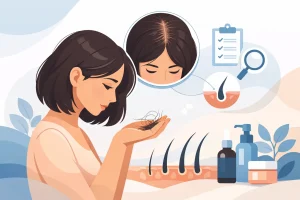
Female hair loss treatment starts with a specialist assessment, scalp health and a personal plan for stronger, fuller-looking hair and renewed confidence.