
How to Prepare for Hair Transplant Surgery
Learn how to prepare for hair transplant surgery with clear advice on assessments, medicines, scalp care, recovery planning and realistic expectations.
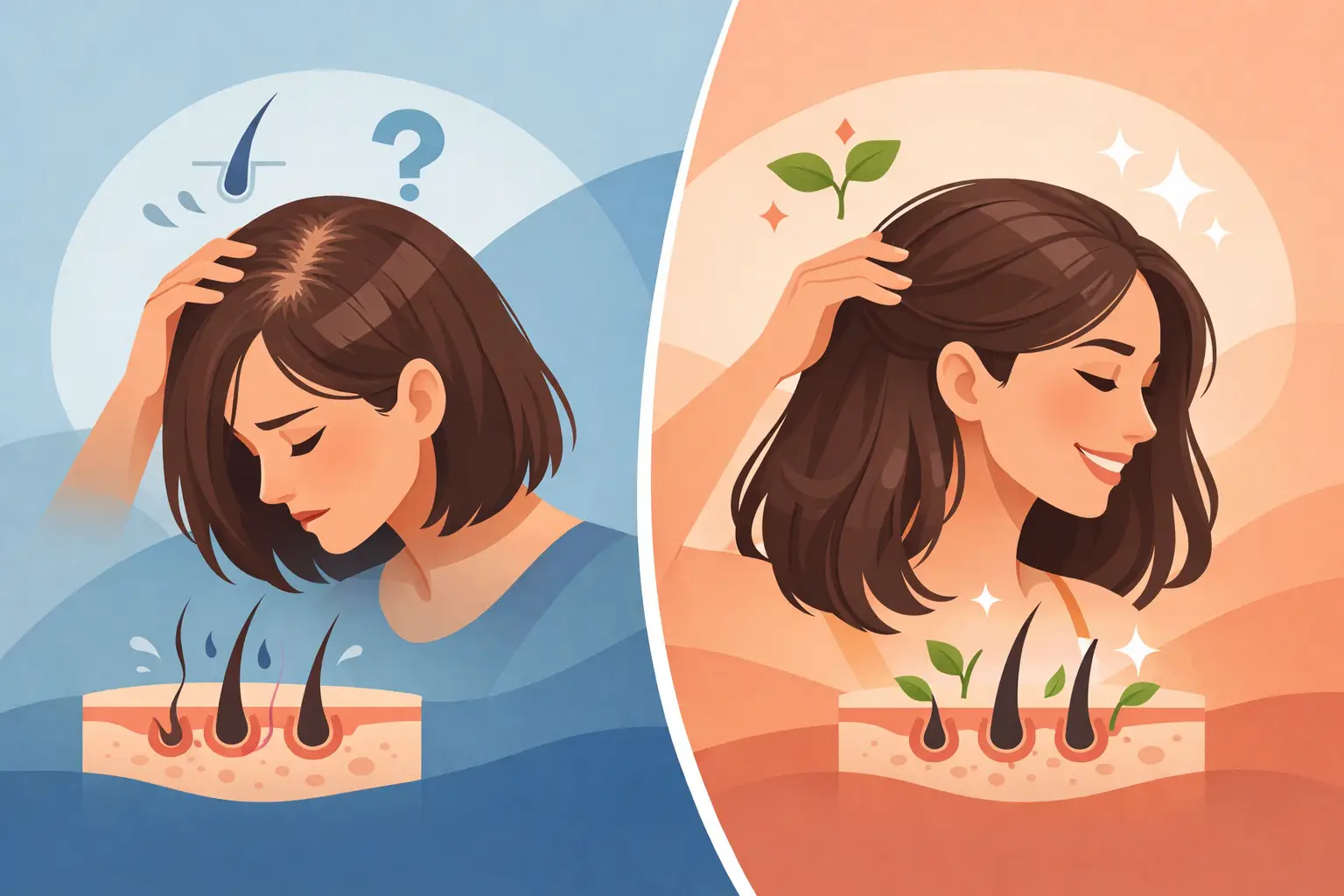
Seeing more hair in the brush, on the pillow, or around the shower drain can feel quietly alarming. One of the first questions many women ask is: can female hair loss grow back? The honest answer is yes, in many cases it can – but it depends on why the hair loss is happening, how long it has been going on, and whether the scalp and follicles are still healthy enough to recover.
This is where many women lose time. They try oils, supplements, salon products, or social media advice, hoping something will work. Sometimes the issue is temporary and the hair does return. Sometimes the shedding slows, but density does not improve because the underlying cause has not been identified properly. Hair recovery is rarely about one miracle product. It is about diagnosis first, then a treatment plan that matches the reason for the loss.
Not in every case, and that distinction matters.
Some types of female hair loss are reversible or partly reversible. Others can be managed very effectively, even if full spontaneous regrowth is unlikely. If a hair follicle is still active, even if it is producing finer, weaker hair, there is often scope to improve growth, thickness, and retention. If the follicle has been permanently damaged or replaced by scar tissue, regrowth becomes much more difficult.
That is why early assessment matters. The sooner the cause is identified, the better the chance of preserving existing density and encouraging healthier regrowth.
Female hair loss is not one condition. It is a symptom with several possible drivers, and each one behaves differently.
A common example is telogen effluvium, where more hairs than usual shift into the shedding phase. This often happens after stress, illness, rapid weight loss, surgery, hormonal changes, or nutritional deficiency. In these cases, the follicles are usually not permanently damaged. Once the trigger is addressed, growth often resumes, although it can take several months for density to look noticeably better.
This delay is frustrating but normal. Hair growth is slow, and regrowth does not appear all at once. New hair may initially come through finer or shorter before improving over time.
Female pattern hair loss is one of the most common causes of long-term thinning in women. It tends to show as widening at the parting, reduced density through the top of the scalp, or overall thinning without a clear bald patch. In this type of hair loss, follicles gradually shrink and produce finer hairs.
Can female hair loss grow back when the cause is pattern thinning? Often, it can improve significantly if treated early. The goal is usually to slow progression, support thicker growth, and protect follicles from further miniaturisation. The longer it is left untreated, the harder full recovery can become.
Hair loss can also be linked to thyroid imbalance, iron deficiency, low vitamin D, polycystic ovary syndrome, post-partum hormone shifts, menopause, autoimmune conditions, and certain medications. In these situations, hair growth may improve once the internal trigger is managed, but the timeline varies.
This is why a proper consultation should never be based on the scalp alone. Hair reflects what is happening in the body as well as on the scalp surface.
Some forms of hair loss involve inflammation that permanently damages follicles. These are known as scarring alopecias. In such cases, regrowth in affected areas may not be possible once scarring is established. However, early diagnosis can still help prevent spread and protect the remaining hair.
This is one of the strongest arguments for not waiting too long to seek specialist advice.
Although no one should self-diagnose based on appearance alone, there are some encouraging signs. If the hair loss is relatively recent, if you can see short new hairs coming through, if the scalp is not shiny or scarred, and if the thinning is diffuse rather than permanently bare, regrowth may well be possible.
Scalp health is another major factor. A scalp affected by inflammation, excess oil, flaking, tenderness, or product build-up may not provide the best environment for recovery. Supporting scalp condition often improves the results of any treatment plan.
Two women can present with similar thinning and need very different treatment approaches. One may need nutritional correction and time after a shedding event. Another may need targeted support for female pattern hair loss. Another may be dealing with a scalp disorder that is disrupting healthy growth.
A personalised plan usually looks at shedding pattern, medical history, hormones, nutrition, scalp condition, family history, stress, and how long the problem has been present. This is the difference between chasing symptoms and addressing the root cause.
At a specialist practice such as Dubai Hair Doctor, this tailored approach is central to the treatment journey. The aim is not simply to sell a product or procedure, but to understand what is stopping the hair from thriving and what gives that individual the best chance of visible improvement.
Treatment depends on diagnosis, but several approaches are commonly used to support recovery.
Topical or medical treatments may help stimulate follicles and prolong the growth phase, especially in female pattern thinning. Nutritional support can be valuable where blood work or history suggests deficiency. Scalp-focused care may be needed if irritation, dandruff, inflammation, or poor scalp hygiene is contributing to the problem.
PRP therapy is another option many women consider. It is used to support hair quality and density by delivering growth factors from the patient’s own blood into targeted areas of the scalp. It is not a one-size-fits-all answer, but for suitable candidates it can be a useful part of a broader treatment plan.
For women with more advanced loss, treatment may focus on maintaining existing hair and improving coverage rather than expecting dramatic regrowth. Honest expectations are important. Good care should give you a realistic view of what is possible, not false reassurance.
This is one of the most common questions, and understandably so. Hair loss often feels urgent, but hair recovery is gradual.
If shedding has been triggered by stress, illness, or hormonal disruption, improvement may begin within a few months after the trigger is corrected, but visible cosmetic change often takes longer. With female pattern thinning, treatment usually needs consistency over several months before density or thickness begins to improve. In many cases, progress is assessed over three, six, and twelve months rather than weeks.
That can feel slow, especially when confidence has taken a hit. But slow does not mean ineffective. Hair medicine is often about steady gains, reduced shedding, healthier strands, and protecting long-term density.
If your hair loss has lasted more than a few months, if your parting is widening, if your ponytail feels thinner, if you have patchy loss, or if your scalp is itchy, sore, or inflamed, it is worth getting assessed. The same applies if you have already tried products on your own and nothing has changed.
Women often delay because they do not think their hair loss is serious enough, or because they are embarrassed to ask for help. In reality, earlier support often means more treatment options and better outcomes.
When women ask can female hair loss grow back, they are rarely asking for a simple yes or no. They are asking whether they have left it too late, whether anyone will take their concerns seriously, and whether they can feel like themselves again.
That deserves a careful answer.
In many cases, regrowth is possible. In others, meaningful improvement is still achievable even if the process is more about stabilising loss, strengthening existing hair, and restoring better density over time. The key is understanding what kind of hair loss you are dealing with and acting before temporary changes become harder to reverse.
If your hair has changed and you do not know why, do not settle for guesswork. The right diagnosis can change the direction of the entire journey – and often, that is the point where hope starts to feel realistic again.
Learn how to prepare for hair transplant surgery with clear advice on assessments, medicines, scalp care, recovery planning and realistic expectations.
Hair thinning can have many causes. Learn how a specialist scalp assessment identifies triggers and builds a clear plan for healthier, fuller-looking hair.
What causes female hair loss? Learn about hormones, stress, nutrition, scalp health and medical factors, plus when personalised expert care can help you.
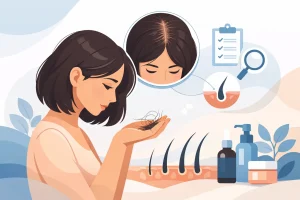
Female hair loss treatment starts with a specialist assessment, scalp health and a personal plan for stronger, fuller-looking hair and renewed confidence.