
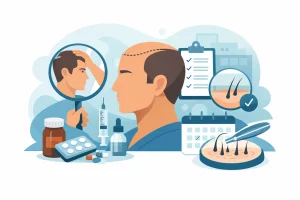
How to Prepare for Hair Transplant Surgery
Learn how to prepare for hair transplant surgery with clear advice on assessments, medicines, scalp care, recovery planning and realistic expectations.
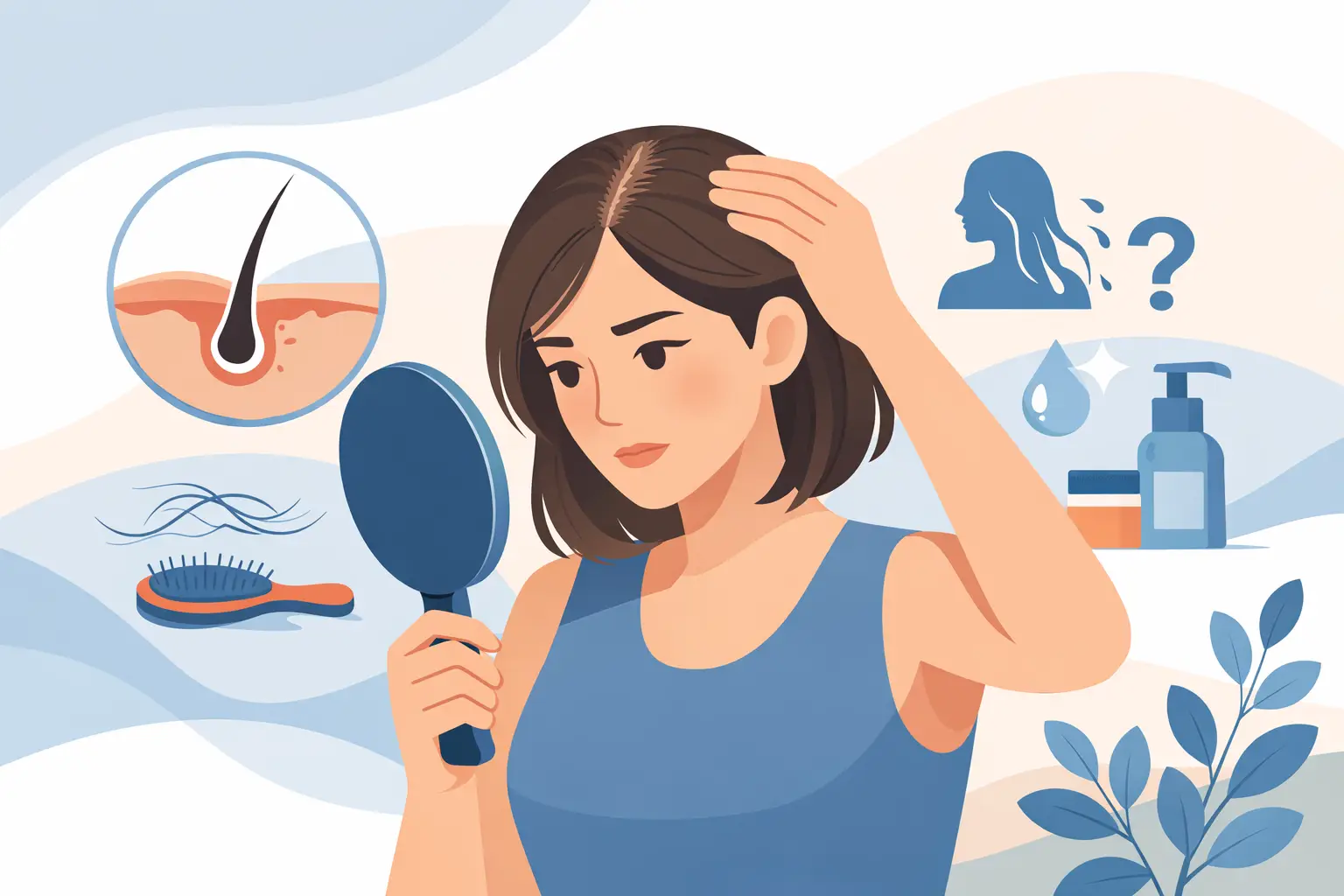
Hair on the pillow, more scalp showing under bright light, a parting that seems wider than it did a few months ago – this is often the moment women start asking, can female hair loss be treated? In many cases, yes. The better question is what is causing it, how early it has been identified, and which treatment plan is most appropriate for your scalp, hair type and stage of loss.
Female hair loss is rarely one simple condition with one simple fix. That is why generic shampoos, supplements or internet advice so often disappoint. Successful treatment usually starts with a proper assessment, because thinning linked to hormones needs a different approach from shedding caused by stress, iron deficiency, inflammation or traction.
Not all female hair loss is treated in exactly the same way, and not every case can be fully reversed. That said, many women can slow the loss significantly, improve density, support regrowth and restore the overall health of the scalp and hair.
The outcome depends on several factors. The cause matters most, but timing matters too. If a woman seeks help when thinning has only recently begun, there is often more opportunity to preserve existing follicles and encourage stronger growth. If the follicle has been inactive for a long time or scarring is involved, expectations need to be more measured.
This is where honest guidance matters. A specialist should not promise miracles. They should explain what is realistic, what is treatable, what can be improved, and what may require long-term management rather than a quick cure.
One of the biggest mistakes women make is treating all hair loss as though it were the same problem. In practice, female hair loss can result from several different triggers, sometimes more than one at the same time.
Female pattern hair loss is one of the most common causes. It often shows up as reduced density over the crown, widening of the parting and gradual miniaturisation of the hair. It tends to be progressive, but early intervention can make a meaningful difference.
Telogen effluvium is different. This is a shedding condition often triggered by stress, illness, surgery, rapid weight loss, hormonal shifts or nutritional imbalance. It can feel alarming because the shedding is sudden, but it may improve once the trigger is identified and corrected.
There are also scalp-led causes such as inflammation, seborrhoeic dermatitis or other conditions that interfere with the health of the follicle environment. In some women, traction from tight hairstyles plays a role. In others, menopause, thyroid dysfunction, anaemia or polycystic ovary syndrome may be part of the picture.
When the diagnosis is clear, treatment becomes far more focused and far more effective.
Treatment should be tailored, not packaged. A good plan considers the scalp, the follicles, the pattern of loss, medical history, blood markers where relevant, and the client’s goals.
For some women, topical treatment is appropriate to help support growth and slow further miniaturisation. For others, the priority is correcting a shedding trigger, calming scalp inflammation or addressing nutritional depletion. If the scalp is not healthy, even the best hair growth plan is working at a disadvantage.
PRP therapy can be an important option for suitable candidates. By using the body’s own platelet-rich plasma, this treatment aims to support follicle function and improve the quality of growth. It is not a magic answer, but for the right patient and the right type of loss, it can be a valuable part of a broader strategy.
Scalp-focused care also matters more than many people realise. Build-up, irritation, chronic oil imbalance and inflammation can all compromise the environment in which hair grows. Treatment may therefore include medical-grade scalp care, targeted products and changes to routine.
Some women also need a prevention and maintenance programme rather than a short burst of treatment. Hair loss often responds best when managed consistently over time, with progress reviewed and the plan adjusted as needed.
Yes – very often. Most women who seek support for thinning do not need surgery as a first-line option. Non-surgical treatment is usually the starting point, especially when follicles are still active and the aim is to retain and strengthen existing hair.
This is particularly true in female pattern thinning, stress-related shedding and scalp health conditions. A structured, non-surgical plan may include in-clinic therapies, home care, nutritional support where indicated and regular monitoring. The goal is not only to stimulate growth but to stabilise the condition and protect future density.
Hair transplantation can have a place in selected female cases, but it is not suitable for everyone. Women often present with diffuse thinning rather than isolated bald patches, which can make surgical planning more complex. Even when transplant surgery is appropriate, scalp preparation before the procedure and maintenance afterwards remain essential.
Many women wait far too long before seeking specialist advice. Some hope the problem will settle on its own. Others feel embarrassed, assume nothing can be done, or keep trying cosmetic products that promise volume rather than treatment.
This delay is understandable, but it can make treatment harder. Hair loss in women is deeply personal. It affects confidence, social comfort and sometimes even professional presence. Yet because it is less openly discussed than male hair loss, many women suffer quietly.
The reality is that early intervention gives you more options. It can help preserve the hair you still have, reduce unnecessary shedding and improve the chances of visible recovery.
Results depend on the diagnosis, consistency and baseline condition of the hair. Some women notice reduced shedding first. Others see improvements in hair quality, stronger strands or better scalp comfort before they see obvious density changes.
Visible regrowth usually takes time. Hair grows slowly, so treatment requires patience and proper follow-up. A few weeks is rarely enough to judge success. In many cases, a realistic timeline is several months, with continued improvement over longer periods when the plan is maintained.
It is also important to understand that success does not always mean returning to the hair density of your teens or twenties. Sometimes the best outcome is stabilisation. Sometimes it is improved coverage, healthier growth and far greater confidence in how the hair looks and feels.
A trustworthy clinic will frame results clearly. The aim should be measurable improvement and long-term management, not exaggerated claims.
When women ask whether treatment works, what they are often really asking is whether it can work for them. That cannot be answered by a product label or a social media post. It requires a consultation that looks at the whole picture.
A proper assessment should explore your pattern of loss, timing, scalp condition, lifestyle, medical background and previous treatments. It should also look at what has not worked, because that often reveals why a generic approach failed in the first place.
At Dubai Hair Doctor, this personalised process is central to care. The aim is not to sell a standard solution, but to identify what is driving the problem and create a treatment plan that is clinically appropriate, realistic and supportive of long-term hair recovery.
That kind of individual care matters. Women with the same visible thinning can need very different plans, and that is why expert-led diagnosis is often the turning point.
If you are seeing more shedding than usual, noticing widening through the parting, struggling with thinning around the crown or temples, or dealing with scalp irritation alongside hair loss, it is worth getting assessed. The same applies if you have recently gone through childbirth, major stress, illness, hormonal change or unexplained weight loss and your hair has not recovered.
You do not need to wait until the thinning becomes severe. In fact, you should not. The earlier the problem is identified, the more chance there is to protect follicle health and build an effective treatment plan.
Female hair loss can feel isolating, but it is treatable more often than many women realise. The key is not guessing – it is getting the right diagnosis, starting the right treatment at the right time, and giving your scalp and hair the level of specialist care they need.
Learn how to prepare for hair transplant surgery with clear advice on assessments, medicines, scalp care, recovery planning and realistic expectations.
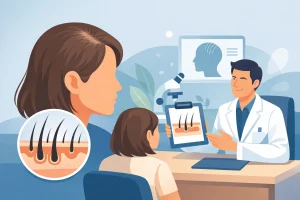
Hair thinning can have many causes. Learn how a specialist scalp assessment identifies triggers and builds a clear plan for healthier, fuller-looking hair.
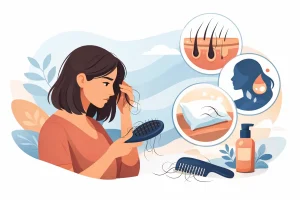
What causes female hair loss? Learn about hormones, stress, nutrition, scalp health and medical factors, plus when personalised expert care can help you.
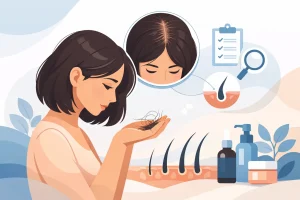
Female hair loss treatment starts with a specialist assessment, scalp health and a personal plan for stronger, fuller-looking hair and renewed confidence.