
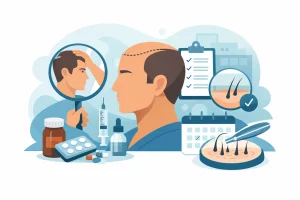
How to Prepare for Hair Transplant Surgery
Learn how to prepare for hair transplant surgery with clear advice on assessments, medicines, scalp care, recovery planning and realistic expectations.

You may notice the shedding first in the shower, on your brush, or around your hairline. But when your scalp also feels sore, itchy, flaky, or unusually sensitive, a bigger question often follows – is scalp inflammation causing hair loss? In many cases, the answer is yes. Not always on its own, and not in the same way for every woman, but inflammation can absolutely disrupt healthy hair growth and make existing thinning worse.
This is one of the most overlooked parts of female hair loss. Many women focus on the strands they can see, while the scalp itself is sending clear warning signs. If the scalp environment is inflamed, irritated, or imbalanced, the hair follicles may struggle to stay in a healthy growth cycle.
Hair grows from follicles that depend on a stable, well-nourished scalp. When inflammation develops, the area around the follicle can become stressed. Blood flow may be affected, the skin barrier can weaken, and the follicle may shift too early from the growth phase into shedding.
Sometimes this process is temporary. Once the inflammation is identified and treated, the follicle can recover and the hair may begin growing normally again. In other situations, ongoing inflammation can contribute to long-term thinning. If it is severe or untreated for too long, it may even damage the follicle permanently.
That is why timing matters. Hair loss linked to scalp inflammation is often more manageable when addressed early, before repeated irritation starts affecting density and regrowth.
This is where diagnosis matters. Inflammation can be the main driver of shedding, but it can also exist alongside other causes such as hormonal changes, nutritional deficiencies, stress, thyroid imbalance, or female pattern hair loss.
For example, a woman with androgenetic hair thinning may also develop scalp sensitivity, product buildup, or seborrheic dermatitis. In that case, inflammation may not be the original cause of hair loss, but it can make the condition worse and reduce the scalp’s ability to support stronger hair.
This is why a one-size-fits-all solution rarely works. If you only treat the visible shedding and ignore the scalp condition underneath, results may be limited or short-lived.
Scalp inflammation does not always look dramatic. Sometimes it appears as persistent symptoms that are easy to dismiss or self-treat for too long.
You may notice itching that keeps returning, tenderness when you move your hair, redness, burning, flakes, excess oiliness, or patches that feel sore. Some women also describe a tight or tingling sensation. Others do not feel much discomfort at all, but they see more hair fall than usual and a scalp that looks irritated on close inspection.
If your shedding is happening together with these symptoms, it is worth taking seriously. A healthy scalp should not feel constantly reactive.
Several scalp conditions can create inflammation strong enough to affect hair growth. Some are common and manageable. Others need more specialized care.
This is one of the most common causes of an inflamed, flaky scalp. It often shows up as greasy scale, itching, redness, and irritation. While it does not always cause major hair loss on its own, persistent inflammation and scratching can increase shedding and weaken the scalp environment.
Scalp psoriasis can create thick plaques, scaling, and significant irritation. Hair loss may happen because of inflammation, excessive scratching, or trauma when trying to remove scale. The good news is that regrowth is often possible when the scalp is treated properly.
Folliculitis is inflammation around the hair follicles, sometimes linked to bacteria, yeast, sweat, friction, or blocked follicles. It may appear as small bumps, tenderness, or pustules. Because it directly affects the follicles, it can contribute to shedding and, in some cases, scarring.
Hair dyes, fragrances, harsh shampoos, oils, and styling products can all trigger scalp inflammation in sensitive individuals. When the scalp barrier is compromised, even products marketed as gentle may cause burning or itching.
Some inflammatory scalp disorders can lead to permanent hair loss if not diagnosed early. These conditions are less common, but they are clinically important because the goal is to stop progression before follicles are destroyed. Signs may include burning, pain, patchy thinning, shiny scalp areas, or loss of follicle openings.
Female hair loss is rarely discussed with enough detail, and scalp symptoms are often normalized. Many women are told their hair loss is due to stress, age, hormones, or genetics and are given generic advice without a close look at scalp health.
The emotional side matters too. If you are already feeling worried about thinning, it is easy to switch shampoos repeatedly, use more styling products to camouflage the problem, or try trending treatments that irritate the scalp further.
What looks like a hair issue can start as a scalp issue, or become more difficult because of one. That is why a specialist assessment is so valuable. It separates temporary irritation from a condition that needs targeted treatment.
A proper evaluation usually starts with your history. When did the shedding begin? Is there itching, pain, flaking, or redness? Did symptoms start after coloring, illness, stress, medication changes, or hormonal shifts?
The next step is examining the scalp and hair closely. A specialist may assess follicle density, scalp condition, patterns of thinning, and whether inflammation appears diffuse or localized. In some cases, additional testing may be needed to rule out internal contributors such as iron deficiency, thyroid dysfunction, or hormone imbalance.
This is the difference between guessing and treating with purpose. At Dubai Hair Doctor, individualized scalp assessment is central because visible hair changes rarely tell the full story on their own.
If you are asking whether scalp inflammation is causing hair loss, the most honest answer is that treatment only works well when the underlying trigger is clear.
For some women, treatment may involve medicated scalp care to calm dermatitis or reduce microbial overgrowth. For others, it may mean stopping irritating products, managing an inflammatory condition, supporting the skin barrier, or combining scalp therapy with broader hair restoration treatment.
If hair loss is also influenced by hormones, chronic stress, nutrient depletion, or genetic thinning, those factors should be addressed alongside scalp inflammation. This is where tailored care matters most. A woman with postpartum shedding and a reactive scalp does not need the same plan as someone with early female pattern hair loss and psoriasis.
In certain cases, regenerative options such as PRP may be considered, but only when the scalp is appropriately assessed and inflammation is under control. Stimulating growth on an actively inflamed scalp is not always the right first step.
Start by simplifying your routine. If your scalp is burning, itching, or flaking, avoid piling on oils, scrubs, fragrances, or harsh anti-dandruff products without guidance. More product is not always more treatment.
Pay attention to patterns. Does your scalp react after coloring, extensions, heat, sweating, or a new shampoo? Does the tenderness come before increased shedding? These details are useful and can help a specialist identify the cause faster.
Most importantly, do not wait too long if symptoms persist. Hair follicles recover best when inflammation is controlled early.
It is time to get professional support if shedding lasts more than a few weeks, your scalp is painful or visibly inflamed, flakes keep returning despite treatment, or thinning is becoming noticeable around the part line, temples, or crown.
You should also seek help sooner if you have patchy hair loss, pustules, crusting, or areas that look smooth and shiny, since these can sometimes point to more serious inflammatory conditions.
The right care should feel both evidence-based and reassuring. You deserve more than trial and error, especially when hair loss is affecting your confidence.
Often, yes. If the follicle has not been permanently damaged, reducing inflammation can give the scalp a better chance to return to healthy growth. Regrowth may take time, and it depends on how long the inflammation has been present, what caused it, and whether other hair loss factors are involved.
That uncertainty can be frustrating, but it is also why early, expert attention matters. A calm, healthy scalp gives every treatment plan a stronger foundation.
If your scalp has been trying to tell you something through itching, tenderness, flakes, or sudden shedding, listen to it. Hair health starts where the follicle lives, and the sooner that environment is cared for properly, the better your chances of protecting both your hair and your confidence.
Learn how to prepare for hair transplant surgery with clear advice on assessments, medicines, scalp care, recovery planning and realistic expectations.
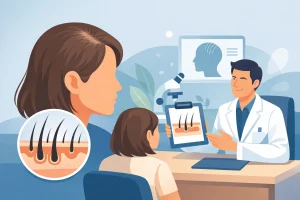
Hair thinning can have many causes. Learn how a specialist scalp assessment identifies triggers and builds a clear plan for healthier, fuller-looking hair.
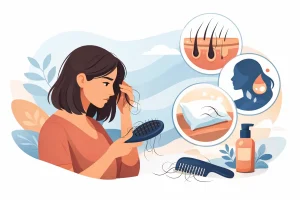
What causes female hair loss? Learn about hormones, stress, nutrition, scalp health and medical factors, plus when personalised expert care can help you.
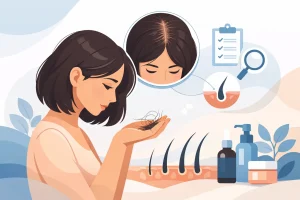
Female hair loss treatment starts with a specialist assessment, scalp health and a personal plan for stronger, fuller-looking hair and renewed confidence.