
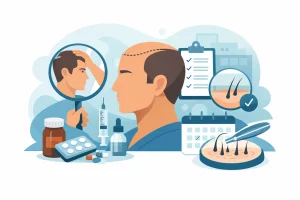
How to Prepare for Hair Transplant Surgery
Learn how to prepare for hair transplant surgery with clear advice on assessments, medicines, scalp care, recovery planning and realistic expectations.
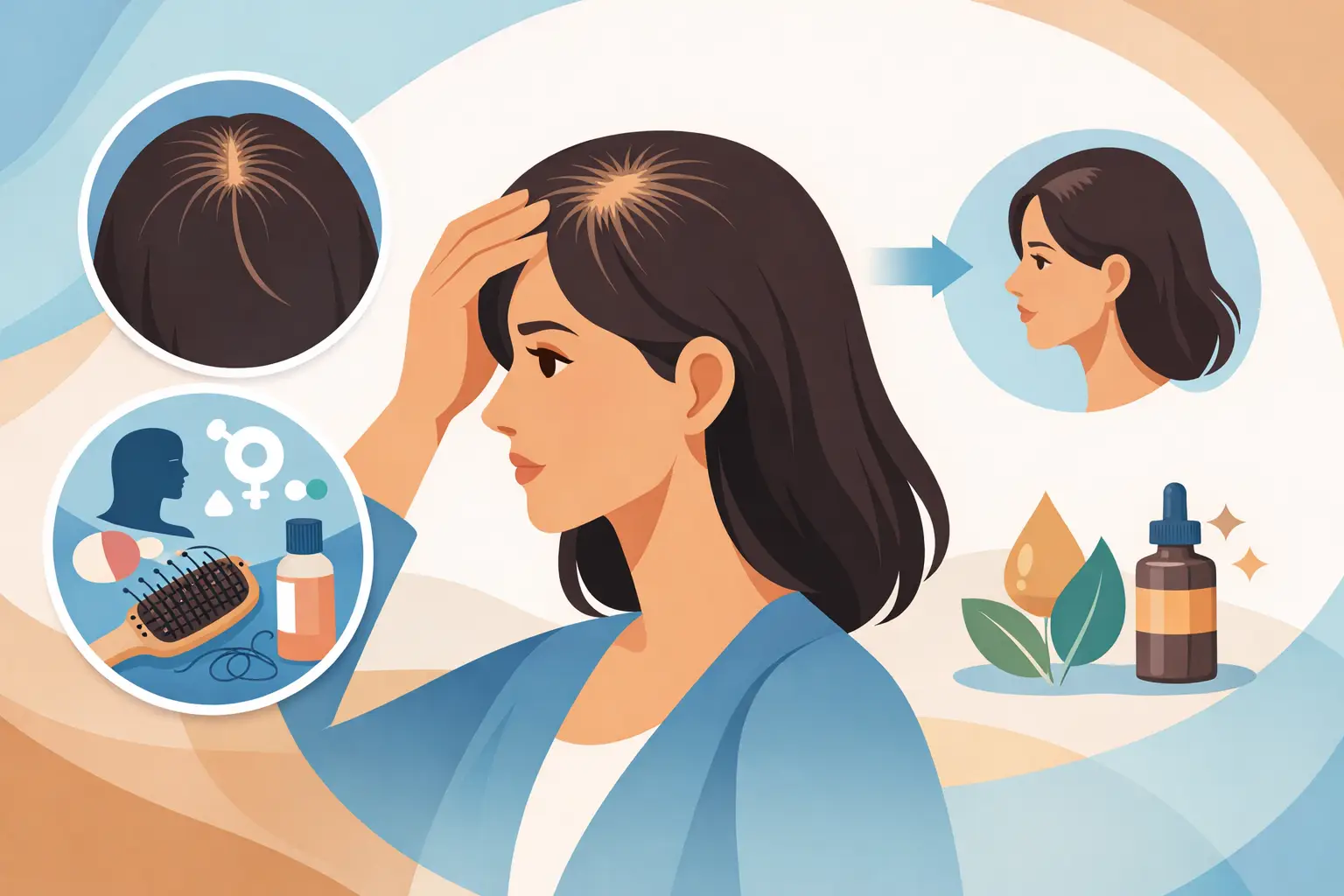
You notice it under bright bathroom lighting first – a wider part, more scalp showing at the crown, less volume where your hair used to lift naturally. Crown thinning in women often begins subtly, which is exactly why it can feel so unsettling. Many women spend months changing shampoos, styling differently, or blaming stress before realizing the pattern is becoming more visible.
The good news is that thinning at the crown is not something you should simply accept without answers. It is a sign worth investigating, because the cause shapes the right treatment. And when treatment is matched to the reason behind the thinning, progress is often possible.
The crown is one of the most common areas where female hair loss becomes visible. Unlike sudden patchy shedding, crown thinning often develops gradually. Hair follicles start producing finer, shorter hairs over time, so density decreases before complete hair loss occurs.
For many women, the most common reason is female pattern hair loss, also called androgenetic alopecia. This is a genetic and hormone-sensitive condition that tends to affect the top of the scalp, especially the crown and central part line. It does not always mean dramatic bald spots. More often, it looks like reduced fullness, flatter roots, and increasing scalp visibility.
Hormonal shifts are another major factor. Pregnancy, postpartum changes, perimenopause, menopause, thyroid imbalance, and conditions such as polycystic ovary syndrome can all disrupt the hair growth cycle. When hormones shift, the crown may be one of the first places where density changes become obvious.
Scalp health also matters more than many women realize. Inflammation, buildup, seborrheic dermatitis, and chronic irritation can interfere with healthy follicle function. If the scalp is not in good condition, new growth may struggle even when the rest of your hair routine is excellent.
Then there is stress, which is often blamed for everything, sometimes fairly and sometimes not. High stress can trigger shedding, but it usually causes diffuse loss across the scalp rather than isolated crown thinning. Still, stress can worsen an existing pattern of hair loss, especially if there is already a genetic or hormonal component.
Crown thinning rarely starts with large clumps of hair falling out. In many cases, the first changes are visual and textural. Hair at the crown may stop holding style the way it used to. Volume may disappear faster after blow-drying. Your scalp may become more visible in photos, under overhead lighting, or when your hair is freshly washed.
Some women notice that their ponytail feels smaller, but the thinning is most pronounced at the top rather than throughout the lengths. Others find they are using powders, sprays, or strategic parting to disguise a spot they never worried about before.
This stage matters. Early intervention is often more effective because follicles that are miniaturizing are easier to support than follicles that have been inactive for a long time.
If you are dealing with thinning at the crown, guessing is rarely productive. Two women can have the same visible symptom and completely different causes. One may have hormonal hair loss. Another may have inflammatory scalp issues, iron deficiency, or a combination of factors.
A proper assessment should look beyond the hair itself. It should include your medical history, hormone-related changes, family history, scalp condition, recent illness, stress levels, and nutritional status. Close scalp and follicle evaluation is especially useful because it helps distinguish between temporary shedding, pattern thinning, and scalp-driven hair loss.
This is where specialist care makes a difference. A trichology-led approach focuses on evidence, not assumptions. It also helps avoid the frustration of spending months on products that were never designed for your actual diagnosis.
The honest answer is that it depends on the cause, the duration, and the condition of the follicles. That may not be the quick reassurance many women want, but it is the truth.
If crown thinning is linked to temporary shedding from stress, illness, postpartum changes, or nutritional imbalance, recovery can be very good once the trigger is addressed. If the issue is female pattern hair loss, treatment usually focuses on slowing progression, improving density, and supporting stronger regrowth rather than promising a complete reversal in every case.
Timing matters. The earlier you start, the better the chance of preserving active follicles and improving the quality of new growth. Waiting until the scalp has been visible for years can limit the range of realistic outcomes.
Effective treatment should be personalized. That is not marketing language – it is the practical reality of female hair loss. A woman with crown thinning caused by scalp inflammation needs a different plan from someone with hormonal miniaturization or chronic shedding.
Topical and medical therapies can play an important role, particularly when female pattern thinning is involved. These treatments aim to support follicle activity, prolong the growth phase, and reduce progressive miniaturization. They require consistency and realistic expectations. Hair grows slowly, so visible improvement often takes several months.
PRP therapy is another option many women explore when they want a science-based, non-surgical treatment. By using growth factors from your own blood, PRP is designed to stimulate the scalp environment and support healthier follicle function. It can be especially helpful as part of a broader plan, rather than a stand-alone miracle solution.
Scalp therapy is often overlooked but can be highly valuable when poor scalp health is contributing to hair loss. If there is excess oil, buildup, sensitivity, inflammation, or compromised scalp balance, treating the scalp is not optional – it is foundational.
Nutritional and internal factors also deserve attention. Iron deficiency, low vitamin D, thyroid dysfunction, and hormone-related issues can all influence results. Treating the outside without correcting the inside can leave progress slower than expected.
For advanced cases, surgical restoration may be considered, but this is not the first line for most women with early crown thinning. Many women benefit from non-surgical treatment long before transplant discussions become relevant. And for those who are candidates, stabilizing ongoing hair loss remains essential.
One of the most damaging parts of online hair loss advice is the promise of fast transformation. Real hair restoration is rarely dramatic in a few weeks. More often, it begins with less shedding, followed by better hair quality, then gradual improvement in density and coverage.
The crown can respond well to treatment, but progress should be measured honestly. You may see stronger strands, less scalp visibility, and improved fullness rather than overnight thickness. The goal is meaningful improvement and long-term control, not false hope.
That is why transparent guidance matters. A results-focused clinic should tell you not only what is possible, but what is likely, how long it may take, and what maintenance may be needed to protect your progress.
Treatment works best when your daily routine supports it. Tight hairstyles that pull at the top of the scalp can add unnecessary strain. Heavy product buildup can worsen scalp congestion. Excess heat styling may not be the root cause of crown thinning, but it can make fragile hair look even thinner.
Gentle scalp care, appropriate cleansing, and a treatment plan that fits your diagnosis usually do more than constantly switching between trend-driven products. If your hair is thinning, your routine should become more intentional, not more complicated.
It also helps to track changes with consistent photos in the same lighting. Many women feel their hair is getting worse day to day, when in reality they need a clearer, more objective view of progress over time.
If your crown is becoming more visible, your part is widening, or your volume has changed for more than a few months, it is worth getting assessed. The same applies if you have scalp discomfort, excessive shedding, sudden change after hormonal shifts, or a family history of thinning.
You do not need to wait until the problem feels severe. In fact, that is usually the point at which treatment becomes more challenging. Early diagnosis gives you more options and a better chance of protecting the hair you still have.
At Dubai Hair Doctor, this is exactly how female hair loss is approached – with medical insight, individualized planning, and respect for how personal this experience can be. Because for most women, crown thinning is not just about hair. It affects confidence, daily routines, and how you feel when you catch your reflection.
If that reflection has started to worry you, take it seriously without panicking. Hair thinning at the crown is a signal, not a sentence, and the right response starts with understanding what your scalp and follicles are trying to tell you.
Learn how to prepare for hair transplant surgery with clear advice on assessments, medicines, scalp care, recovery planning and realistic expectations.
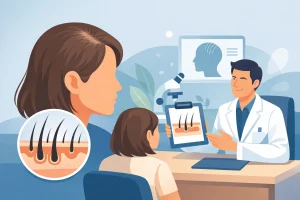
Hair thinning can have many causes. Learn how a specialist scalp assessment identifies triggers and builds a clear plan for healthier, fuller-looking hair.
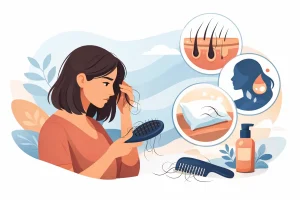
What causes female hair loss? Learn about hormones, stress, nutrition, scalp health and medical factors, plus when personalised expert care can help you.
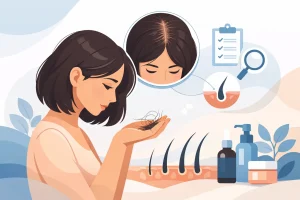
Female hair loss treatment starts with a specialist assessment, scalp health and a personal plan for stronger, fuller-looking hair and renewed confidence.