
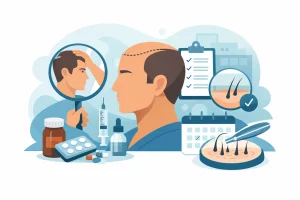
How to Prepare for Hair Transplant Surgery
Learn how to prepare for hair transplant surgery with clear advice on assessments, medicines, scalp care, recovery planning and realistic expectations.

Hair loss rarely feels like a small issue when you are the person seeing more scalp in the mirror, finding hair on the pillow, or avoiding certain styles. The best female hair growth treatment is not usually a single bottle, supplement or procedure. It is the treatment plan that identifies why your hair is changing, protects the follicles you still have, and gives regrowth the right conditions to happen.
For many women, thinning is gradual enough to dismiss at first. A wider parting, less volume in a ponytail or hair that no longer holds a style can develop over months or years. Others notice sudden shedding after illness, childbirth, weight loss, stress or a change in medication. These situations need different approaches, which is why generic solutions so often disappoint.
The right treatment begins with a proper assessment, not a guess. Hair loss has many possible triggers, including female-pattern hair loss, nutritional deficiencies, thyroid changes, hormonal shifts, inflammatory scalp conditions, traction from tight styling and temporary shedding known as telogen effluvium.
Female-pattern hair loss is particularly common. It tends to cause a gradual reduction in density over the crown and parting, while the frontal hairline is often retained. Because the process is progressive, early treatment can make a meaningful difference to long-term density. However, the same visible thinning could also be influenced by scalp irritation, low iron stores or another underlying concern.
A specialist consultation should look at your hair history, family history, health, lifestyle and current medication, alongside a close assessment of the scalp and follicles. Where appropriate, blood testing or medical referral may be advised. This gives you a plan based on evidence, rather than a costly sequence of trial and error.
Hair is a non-essential tissue from the body’s perspective. When the body is under physical or emotional strain, it may redirect resources away from the growth cycle. That is why a treatment plan sometimes needs to address more than the hair itself.
If testing identifies iron deficiency, thyroid dysfunction, low vitamin levels or a hormonal concern, correcting that issue may help reduce shedding and support recovery. Supplements can be valuable when there is a genuine deficiency, but taking high doses without a clear need is not a shortcut to thicker hair. In some cases, it may create further health concerns.
Scalp health matters just as much. Flaking, soreness, excess oil, itching or persistent build-up can disrupt comfort and make it harder to maintain a consistent routine. A tailored scalp-care programme may include therapeutic cleansing, exfoliation or calming products selected for your scalp condition. Healthy follicles need a healthy environment, but scalp care alone cannot reverse every form of genetic thinning.
Sudden shedding can be alarming, especially after a fever, surgery, childbirth, severe stress or rapid dietary restriction. In telogen effluvium, more hairs than usual move into the resting phase before shedding several weeks or months later. The hair may look thinner, but the follicles are usually still capable of producing new growth.
The priority is to identify the trigger, support recovery and monitor progress. Regrowth can take time because hair grows slowly. If shedding continues, recurs or reveals an underlying pattern of thinning, a more targeted plan may be needed.
For women with female-pattern hair loss, topical minoxidil is one of the most established treatment options. It works by helping to prolong the hair growth phase and can improve density for some patients when used consistently. It is not an overnight solution: increased shedding can occur early in treatment, and visible improvement typically takes several months.
Consistency is critical. Stopping treatment may mean losing the gains it has helped to maintain. Some women also experience scalp irritation or find a particular formulation difficult to tolerate, so professional guidance can help determine whether it is appropriate and how to use it comfortably.
Depending on your history, clinical findings and medical suitability, a prescribing clinician may discuss additional treatments that influence hormonal pathways. These are not suitable for everyone and require careful screening, particularly for women who are pregnant, breastfeeding or planning a pregnancy. The best plan is always one that balances potential benefit with your health, preferences and safety.
Platelet-Rich Plasma, commonly known as PRP, is a popular clinic-based option for women seeking a non-surgical treatment alongside a carefully managed home routine. The treatment uses a small sample of your own blood, processed to concentrate platelets, before the plasma is placed into targeted areas of the scalp.
PRP may support follicle activity and improve hair quality and density in suitable patients, particularly where follicles are weakened rather than permanently inactive. It is not a replacement for diagnosis, and it is not a guaranteed cure for advanced hair loss. Results vary according to the cause and stage of thinning, the quality of the treatment protocol and how consistently the wider plan is followed.
Most programmes involve an initial course of sessions followed by maintenance. Progress should be tracked with clear photographs and scalp assessments, not judged only by day-to-day mirror checks. That makes it easier to see subtle changes in density and adjust the plan honestly when needed.
At Dubai Hair Doctor, PRP is considered within a personalised trichology-led strategy, rather than offered as a one-size-fits-all answer. For some women it is an excellent addition; for others, addressing scalp inflammation, correcting a deficiency or starting medical treatment should come first.
Low-level light therapy may help some people with pattern thinning, particularly when used regularly over time. It can be a useful supportive option, but device quality, adherence and the underlying diagnosis all affect whether it is worthwhile.
Hair oils, masks and strengthening products can improve softness, reduce breakage and make hair look fuller. That can be genuinely helpful for confidence and styling, but it is different from stimulating follicles affected by female-pattern hair loss. Be cautious of any product promising dramatic regrowth within days or claiming to work for every type of hair loss.
Hair transplantation can be appropriate for carefully selected women with stable donor hair and a clear diagnosis. It is not normally the first answer for diffuse thinning, and it does not stop ongoing loss in untreated native hair. Pre-operative scalp preparation and long-term maintenance remain essential.
Hair growth plans are more successful when everyday habits reduce avoidable damage. Choose gentler detangling, limit frequent high-heat styling and avoid consistently tight braids, extensions or ponytails that pull at the roots. If you colour or chemically process your hair, a sensible schedule and professional advice can help protect fragile lengths.
Nutrition should be balanced and adequate rather than restrictive. Protein, iron-rich foods and regular meals all matter, especially if you have recently lost weight or changed your diet. Sleep and stress management will not cure genetic hair loss, but they can support overall wellbeing and make it easier to stay consistent with treatment.
Hair grows in cycles, so patience is part of every credible plan. Reduced shedding may be noticed first, while improved density often takes six to 12 months to assess fairly. Fine new hairs can be an encouraging early sign, but the aim is sustained improvement in coverage, calibre and confidence rather than a short-lived boost.
Your starting point matters. Follicles that have only recently begun to miniaturise are more likely to respond than areas that have been smooth and bare for years. Regular review gives you the best opportunity to refine treatment before further loss becomes harder to reverse.
If you have been trying products without seeing a change, do not assume that nothing can help. A clear diagnosis can replace uncertainty with a focused plan, realistic milestones and support that respects both your health and how deeply hair loss can affect your confidence.
Learn how to prepare for hair transplant surgery with clear advice on assessments, medicines, scalp care, recovery planning and realistic expectations.
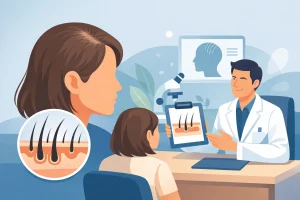
Hair thinning can have many causes. Learn how a specialist scalp assessment identifies triggers and builds a clear plan for healthier, fuller-looking hair.
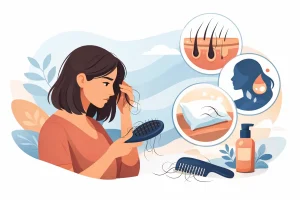
What causes female hair loss? Learn about hormones, stress, nutrition, scalp health and medical factors, plus when personalised expert care can help you.
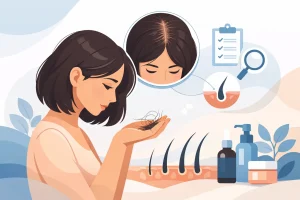
Female hair loss treatment starts with a specialist assessment, scalp health and a personal plan for stronger, fuller-looking hair and renewed confidence.