
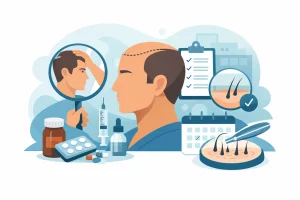
How to Prepare for Hair Transplant Surgery
Learn how to prepare for hair transplant surgery with clear advice on assessments, medicines, scalp care, recovery planning and realistic expectations.
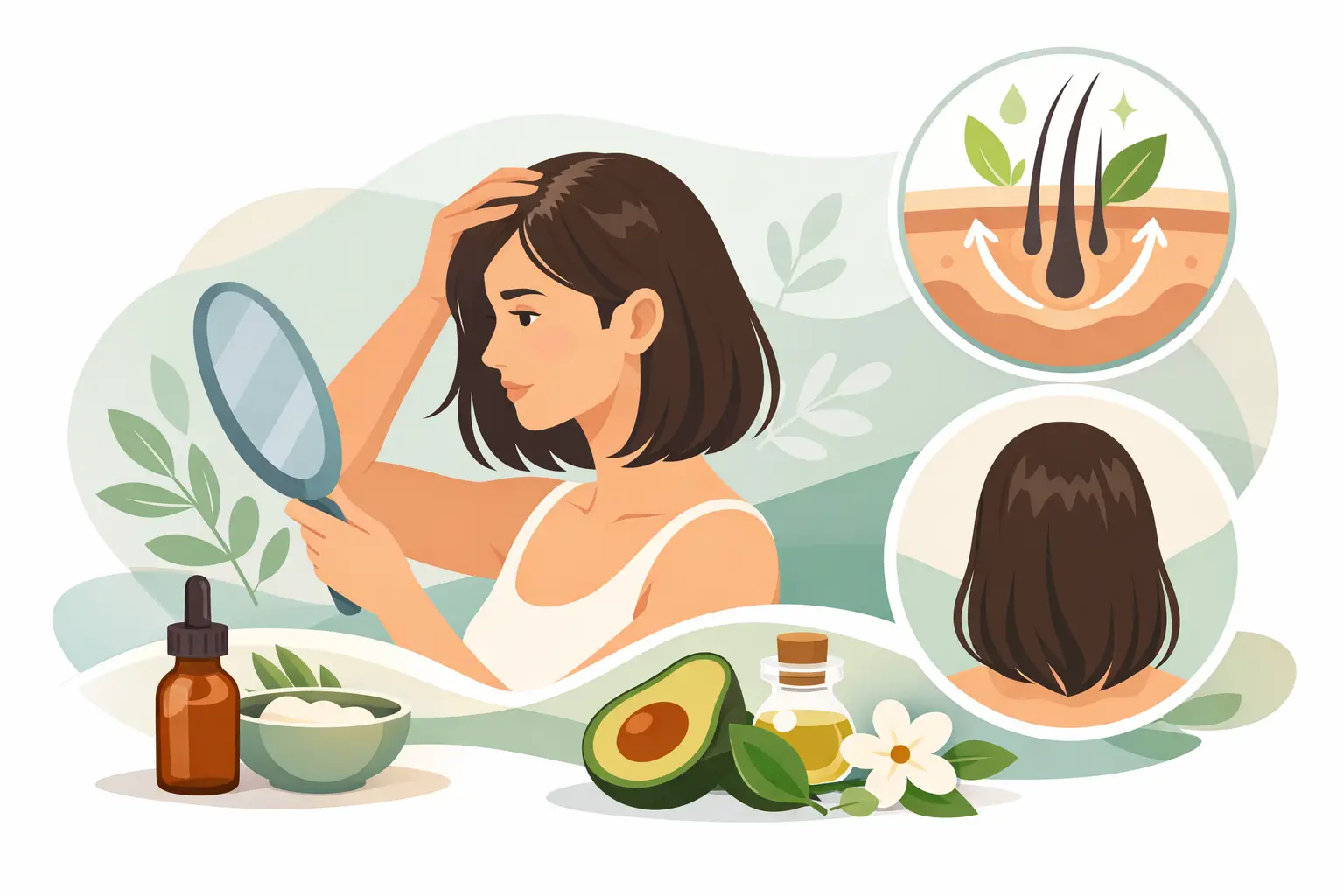
When you start seeing more hair in the shower drain, on your brush, or along your parting, it rarely feels like a small issue. For many women, hair loss affects confidence, daily routines, and the way they feel in social and professional settings. If you are searching for how to treat female hair loss naturally, the first thing to know is this: natural support can be genuinely helpful, but it works best when it is guided by the real cause of the shedding.
Female hair loss is not one single condition. It may be linked to stress, hormonal changes, iron deficiency, thyroid imbalance, tight hairstyles, post-pregnancy shedding, scalp inflammation, or female pattern thinning. That is why a natural approach should never mean guesswork. It should mean supporting the scalp and hair in a way that is gentle, evidence-aware, and tailored to you.
Natural treatment is often spoken about as though one oil, one supplement, or one shampoo can fix everything. In practice, the right plan depends on what is driving the problem. A woman with postnatal shedding needs different support from someone with traction alopecia or progressive female pattern hair loss.
This is where many people lose time. They try trendy products for months without asking whether the scalp is inflamed, whether the follicles are under hormonal pressure, or whether the body is lacking key nutrients needed for healthy growth. Hair recovery usually improves when the approach becomes more specific.
If your hair loss has lasted more than a few months, is getting worse, or comes with itching, scaling, tenderness, or widening at the part line, a specialist assessment matters. Natural support can still play a central role, but it should sit within a proper diagnosis rather than replace one.
Healthy hair grows from a healthy scalp. That sounds obvious, yet many women focus only on the strands. If the scalp is congested, irritated, excessively oily, very dry, or affected by dandruff or dermatitis, growth can be compromised and shedding may increase.
A natural scalp routine should be simple and consistent. Gentle cleansing is usually more effective than harsh scrubbing or over-washing with strong products. If you leave too much oil, sweat, or styling residue on the scalp, follicles can become irritated. If you cleanse too aggressively, you may trigger further dryness and sensitivity. The balance matters.
Scalp massage can help as part of a wider plan. It may improve circulation and encourage better scalp awareness, especially if tension is part of the picture. It is not a cure for genetic thinning, but it can support scalp condition when done gently for a few minutes several times a week. The key word is gently. Vigorous rubbing can worsen inflammation and break fragile hairs.
Some women also benefit from botanical scalp preparations, but natural does not automatically mean safe. Essential oils are a common example. Rosemary oil is often discussed in relation to hair growth, and there is some encouraging interest around it, but it should always be diluted correctly and patch tested first. On a sensitive scalp, even natural oils can cause irritation.
One of the most overlooked answers to how to treat female hair loss naturally is nutritional correction. Hair is not essential tissue from the body’s perspective, so when your system is under strain, the follicles are often affected early. Low iron stores, inadequate protein intake, vitamin D deficiency, and restrictive eating patterns can all contribute to shedding and weak regrowth.
Hair follicles need steady nutritional support over time. Crash diets, dramatic weight loss, skipping meals, and overly restrictive wellness trends can push hairs into the shedding phase. If your intake has changed recently, this may be relevant.
A more supportive diet for hair health usually includes sufficient protein, iron-rich foods, zinc, omega-3 fats, B vitamins, and antioxidant-rich fruit and vegetables. Eggs, oily fish, lean meats, lentils, beans, Greek yoghurt, nuts, seeds, spinach, and berries can all contribute to healthier growth conditions. That said, supplements should not be chosen blindly. More is not always better, especially with iron or vitamin A. If deficiencies are suspected, testing is the sensible route.
Hydration also matters, though not in an exaggerated way. Drinking more water will not reverse hormonal thinning on its own, but poor hydration can add to dryness and scalp discomfort. Think of hydration as supportive, not transformative.
Many women notice hair loss after periods of intense emotional stress, illness, surgery, or hormonal change. This type of shedding, often called telogen effluvium, can feel sudden and alarming. The positive side is that it is often reversible once the trigger settles, although recovery can take several months.
Stress management is part of natural treatment, but it needs to be realistic. No one reduces hair shedding because they were told to relax. What tends to help is building repeatable habits that lower the body’s stress load over time. Better sleep, regular movement, breathing exercises, time away from constant stimulation, and reducing overcommitment can all support recovery.
Sleep deserves particular attention. Hair growth is influenced by overall health, hormonal balance, and repair processes that depend on quality rest. If you are sleeping poorly for weeks or months, your body has less capacity to recover from internal stressors. Improving sleep will not solve every hair problem, but it creates better conditions for progress.
Hormonal shifts around menopause, polycystic ovary syndrome, post-pregnancy recovery, or stopping hormonal contraception can also affect density. In these cases, natural support may help the scalp and general hair quality, but some women will need a broader treatment plan to slow progression. Honest guidance is important here. A fully natural route can be enough for some causes, but not all.
If you are trying to restore thinning hair, daily habits matter more than expensive products. Tight ponytails, heavy extensions, frequent heat styling, harsh bleaching, and brushing wet hair too roughly can all increase breakage or traction-related loss.
Protective care does not need to be complicated. A softer approach to styling, lower heat settings, less tension on the roots, and reduced chemical stress can make a meaningful difference over time. Silk or satin pillowcases may help reduce friction, and wider-tooth combs are often kinder to fragile hair.
It is also worth separating hair breakage from hair loss. If your strands are snapping, the issue may be damage along the shaft rather than shedding from the follicle. Both affect fullness, but they are managed differently. A specialist can help distinguish between the two.
The most effective natural plans are usually those that support recovery in the early stages, after a temporary trigger, or alongside specialist treatment. For example, if stress, low iron, scalp irritation, or poor hair practices are contributing factors, natural changes can be very worthwhile.
Where hair loss is genetically driven, longstanding, or linked to active scalp disease, natural methods may still improve scalp comfort and hair quality, but they may not be enough on their own to restore density. This is where many women feel frustrated. They have done everything carefully and still see widening through the top or temples.
That is not failure. It usually means the follicles need a more targeted plan. At Dubai Hair Doctor, this is often where personalised scalp-led assessment becomes valuable, because the goal is not to sell a generic fix. It is to understand what is reversible, what is manageable, and what treatment combination gives the best chance of visible improvement.
The most practical natural approach is to think in layers. Start by identifying the likely trigger. Support the scalp with gentle, appropriate care. Improve nutritional intake and investigate potential deficiencies. Reduce tension, heat, and chemical stress on the hair. Give stress and sleep the attention they deserve. Then review whether the shedding is stabilising.
What matters is consistency. Hair grows slowly, and recovery is rarely immediate. Many women expect change within a few weeks, but follicles work on a much longer timeline. Early improvement often looks like less hair fall, a calmer scalp, and softer regrowth before density noticeably changes.
If you are unsure whether your hair loss is temporary or progressive, trust that uncertainty is reason enough to seek expert advice. The earlier the cause is identified, the more treatment options you usually have. Natural care can be powerful when it is part of a clear, personalised plan rather than a series of hopeful experiments.
Hair loss can feel deeply personal, but it is also treatable in many cases. The right natural strategy is not about doing more. It is about doing what fits your scalp, your health, and your stage of hair loss with care, patience, and the right level of support.
Learn how to prepare for hair transplant surgery with clear advice on assessments, medicines, scalp care, recovery planning and realistic expectations.
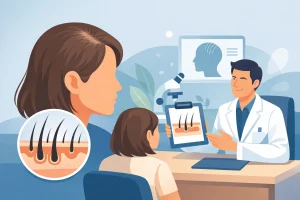
Hair thinning can have many causes. Learn how a specialist scalp assessment identifies triggers and builds a clear plan for healthier, fuller-looking hair.
What causes female hair loss? Learn about hormones, stress, nutrition, scalp health and medical factors, plus when personalised expert care can help you.
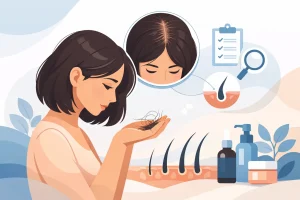
Female hair loss treatment starts with a specialist assessment, scalp health and a personal plan for stronger, fuller-looking hair and renewed confidence.