
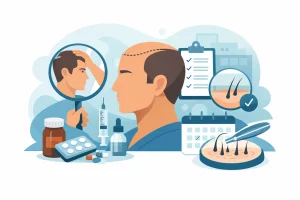
How to Prepare for Hair Transplant Surgery
Learn how to prepare for hair transplant surgery with clear advice on assessments, medicines, scalp care, recovery planning and realistic expectations.
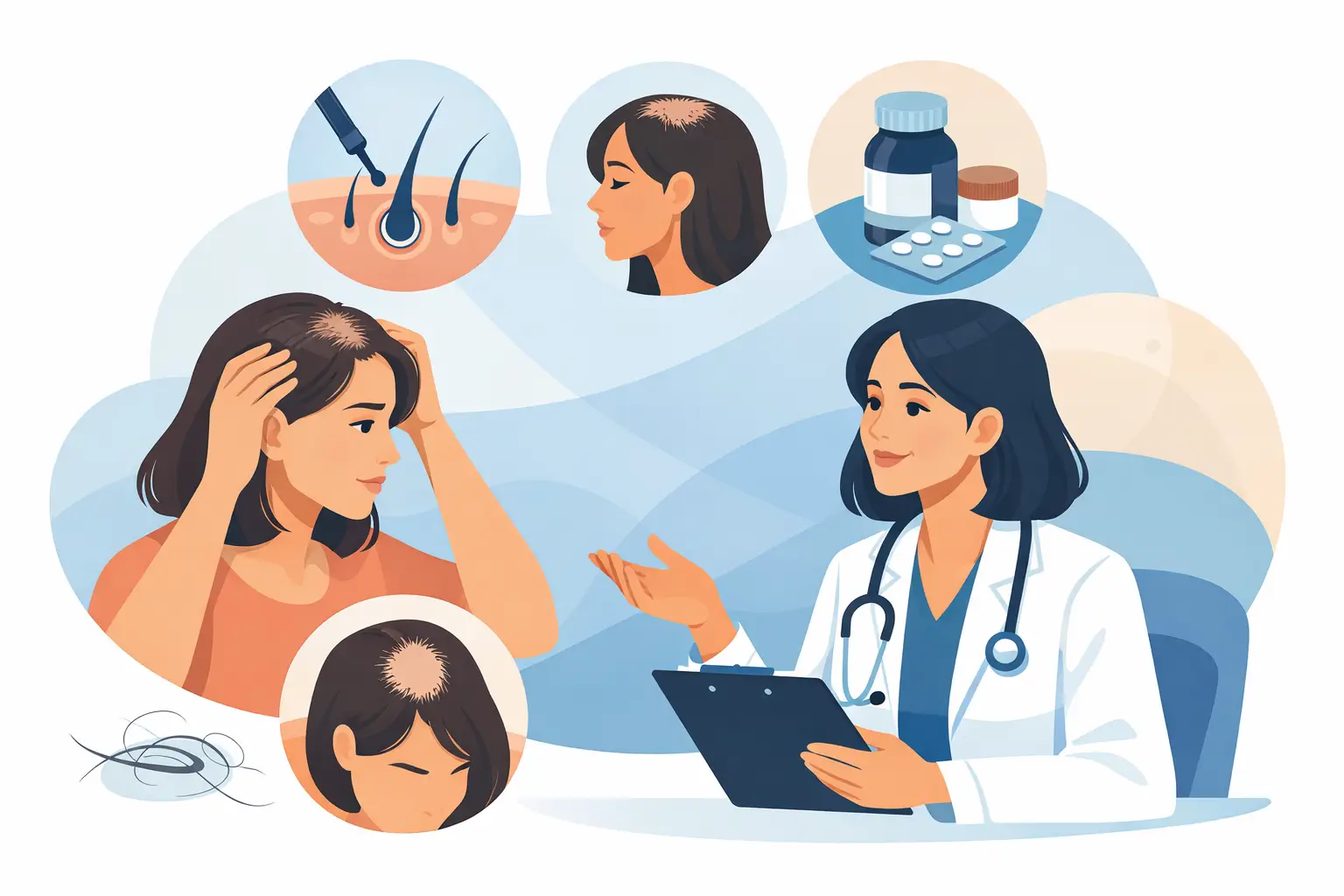
Hair shedding in the shower is one thing. Seeing your parting widen, your ponytail thin out, or your scalp show through under bright light is something else entirely. If you are wondering what can a doctor do for female hair loss, the short answer is this: far more than recommend a shampoo. The right doctor looks for the cause, assesses your scalp properly, and builds a treatment plan that gives your hair the best chance of recovery.
A good consultation is not rushed, and it should never feel generic. Female hair loss has several possible causes, and many women arrive after trying oils, supplements, salon treatments, or internet advice that did not address the real issue.
The first appointment usually starts with a detailed history. Your doctor will ask when the shedding or thinning began, whether it came on suddenly or gradually, and whether you have noticed patterns such as widening at the crown, hairline changes, or increased hair on your pillow and brush. They should also ask about stress, illness, weight changes, menstrual history, menopause, pregnancy, family history, medication, diet, and any scalp symptoms such as itching, flaking, soreness, or excess oil.
That conversation matters because hair loss is often a sign, not just a cosmetic problem. In women, thinning can be linked to hormones, iron deficiency, thyroid imbalance, inflammation, nutritional issues, traction from styling, or female pattern hair loss. The treatment only works well when the diagnosis is accurate.
One of the most valuable things a doctor can do is tell the difference between types of hair loss that can look similar at home. For example, diffuse shedding after stress or illness is very different from gradual androgen-related thinning. A dry, irritated scalp may coexist with hair shedding, but it may not be the main cause. Scarring forms of hair loss need urgent attention because delayed treatment can mean permanent loss.
This is where clinical assessment becomes essential. Your doctor may examine the scalp closely to look at follicle density, miniaturisation, scalp condition, inflammation, and the pattern of thinning. In specialist settings, scalp magnification or trichology-led assessment can provide a clearer picture of what the follicles are doing and whether the scalp environment is supporting healthy growth.
Without this step, many women end up treating the wrong problem for months.
If the pattern suggests an internal trigger, a doctor may recommend blood tests. These often include iron studies, ferritin, thyroid markers, vitamin D, B12, and in some cases hormone testing. If periods are irregular, acne is present, or there are signs of excess androgen activity, further investigation may be needed.
This part is especially important because low iron, thyroid dysfunction, and hormonal imbalance can all contribute to ongoing shedding or poor regrowth. If these are missed, topical products alone may not be enough.
The answer depends on the diagnosis, the severity of loss, your age, medical history, and your goals. This is where honest guidance matters. Not every patient needs the same treatment, and not every treatment suits every patient.
For some women, the right plan begins with correcting a deficiency, calming scalp inflammation, or changing damaging hair practices. For others, more direct intervention is needed to stimulate follicles and slow further thinning.
If you have female pattern thinning, your doctor may discuss evidence-based treatments designed to prolong the growth phase and support miniaturising follicles. The aim is usually to slow progression, improve density where possible, and preserve the hair you still have.
This kind of treatment often requires patience. Hair grows in cycles, and visible change can take several months. A responsible doctor will set realistic expectations rather than promise overnight transformation. Some women see reduced shedding first, then gradual thickening. Others may stabilise the loss rather than regain large amounts of density. Both can still be meaningful results.
For suitable candidates, PRP can be part of a broader treatment strategy. This involves using a concentration of your own platelets to support the scalp environment and encourage follicle activity. It is often considered for thinning hair, early female pattern loss, and cases where the goal is to strengthen existing follicles rather than replace lost ones.
PRP is not magic, and it is not the right answer for everyone. Results vary depending on the cause of the loss, how advanced it is, and whether the follicles are still viable. It tends to work best as part of a personalised plan rather than a standalone quick fix.
A healthy scalp gives hair the best chance to grow well. If there is inflammation, buildup, seborrhoeic dermatitis, sensitivity, or poor scalp hygiene, the follicles may be under more stress than you realise.
A doctor or specialist trichology practitioner may recommend scalp-focused treatment to reduce irritation, improve the skin barrier, and create better conditions for regrowth. This can be particularly useful if you have symptoms such as itching, flaking, tenderness, or a scalp that feels greasy and dry at the same time.
Treating the scalp does not replace medical diagnosis, but it often improves the overall response to treatment.
Yes, but the approach depends on what is driving the hormonal change. Hair thinning linked to polycystic ovary syndrome, postpartum changes, perimenopause, or menopause may need a more tailored plan. The goal is not simply to label it as hormonal and move on. The goal is to understand how those hormones are affecting the follicles and what can realistically be done.
Sometimes that means medical therapy. Sometimes it means combining internal assessment with topical or regenerative treatment. And sometimes it means recognising that timing matters – if shedding began after childbirth or a major illness, the hair may recover differently than in long-term patterned thinning.
This is one of the clearest examples of why female hair loss should not be treated as one condition.
Products can support a plan, but they cannot diagnose why you are losing hair. They also cannot tell whether your follicles are miniaturising, whether inflammation is present, or whether there is a medical issue behind the shedding.
A doctor can rule out more serious causes, identify the type of loss, track progress properly, and adjust treatment if your response is poor. That saves time, money, and emotional energy. Many women do not need more products. They need a clear explanation and a structured plan.
That may include home care, of course. Some patients benefit from carefully selected hair restoration products, nutritional support, or scalp care between appointments. But these work best when they are part of a bigger picture.
Sooner than most people think. If your hair has been shedding heavily for more than a few weeks, your parting is widening, your temples are thinning, or your scalp feels sore or inflamed, it is worth getting assessed. The same applies if you have a family history of hair loss, recent hormonal changes, or you have already tried products without improvement.
Early intervention often gives better options. Once thinning becomes advanced, some follicles may be harder to recover. That does not mean help is impossible, but it does mean the strategy may shift from regrowth to stabilisation and long-term management.
For women considering a transplant in the future, proper medical assessment is also important. A transplant is not the first step for most female hair loss, and it works best when the underlying condition has been understood and managed.
Hair loss affects more than appearance. It can change how you style your hair, how you feel in photographs, and how confident you feel in everyday life. Good care should recognise that.
You should feel listened to, not dismissed. You should leave with a clear understanding of what is happening, what can be treated, and what the next steps are. At a specialist practice such as Dubai Hair Doctor, the focus is on exactly that – combining scalp assessment, medical insight, and personalised treatment planning so that women are not left guessing.
If your hair is thinning, the most helpful thing a doctor can do is replace uncertainty with a proper diagnosis and a plan you can trust. Sometimes that leads to regrowth, sometimes to stabilisation, and often to both healthier hair and a stronger sense of control. That alone can be the turning point many women have been waiting for.
Learn how to prepare for hair transplant surgery with clear advice on assessments, medicines, scalp care, recovery planning and realistic expectations.
Hair thinning can have many causes. Learn how a specialist scalp assessment identifies triggers and builds a clear plan for healthier, fuller-looking hair.
What causes female hair loss? Learn about hormones, stress, nutrition, scalp health and medical factors, plus when personalised expert care can help you.
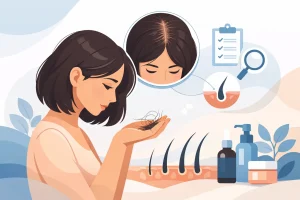
Female hair loss treatment starts with a specialist assessment, scalp health and a personal plan for stronger, fuller-looking hair and renewed confidence.