
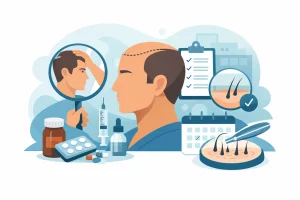
How to Prepare for Hair Transplant Surgery
Learn how to prepare for hair transplant surgery with clear advice on assessments, medicines, scalp care, recovery planning and realistic expectations.
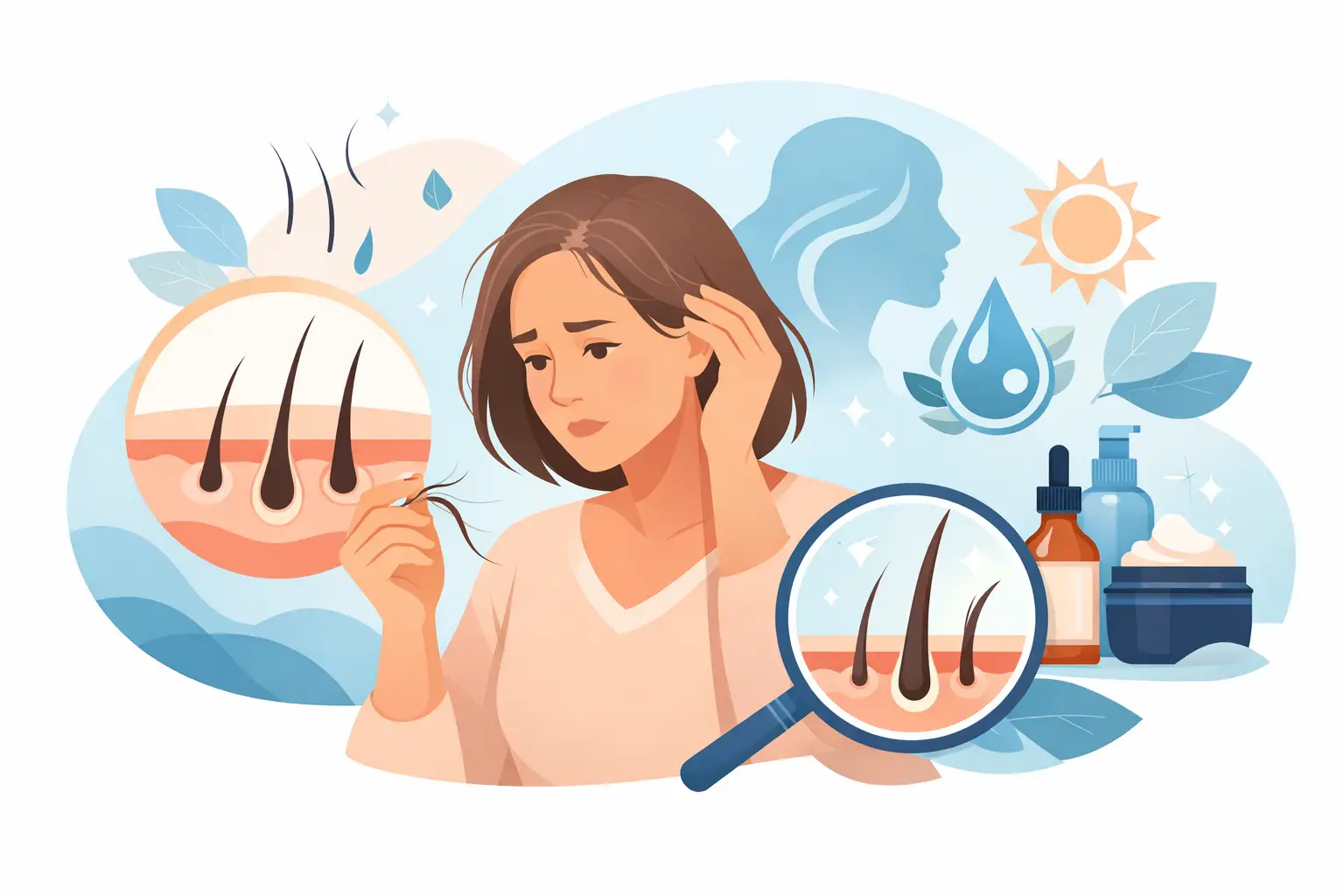
A widening parting, more scalp showing under bright Dubai light, or a ponytail that suddenly feels smaller can be deeply unsettling. Menopause related hair thinning is common, but it should never be dismissed as something you simply have to accept. With the right assessment, many women can slow further shedding, improve scalp health and support visibly fuller-looking hair.
Hair changes at this stage can affect far more than appearance. For many women, hair is closely tied to identity, confidence and how they feel when they walk into a meeting, attend a social occasion or look in the mirror. The most helpful starting point is to understand what is driving the change, rather than buying another product that promises instant results.
During perimenopause and menopause, levels of oestrogen and progesterone change. These hormones support the hair growth cycle, helping hair remain in its active growth phase for longer. As their influence reduces, follicles can spend less time growing hair and more time resting before shedding.
At the same time, the relative effect of androgens, often referred to as male-type hormones, may become more noticeable. This does not mean that someone has unusually high androgen levels. Rather, the balance has shifted. In women with a genetic sensitivity, follicles around the centre parting and crown may gradually produce hairs that are finer, shorter and less pigmented. This pattern is often known as female-pattern hair thinning.
The change can be gradual, but it does not always feel that way. A woman may only notice it after months of reduced density, particularly when styling becomes harder or the scalp is visible in photographs. Others experience a period of increased shedding after a stressful event, illness, surgery, significant weight loss or a change in medication. Menopause may be part of the picture, but it is not automatically the whole explanation.
Low iron stores, vitamin D deficiency, thyroid dysfunction, restrictive dieting and poor protein intake can all contribute to shedding or reduced hair quality. Sleep disruption, which is common during menopause, can add pressure too. Stress does not always cause thinning on its own, but prolonged stress may interrupt the normal hair cycle and make an underlying pattern more apparent.
Scalp conditions also matter. Itching, flaking, tenderness, excess oiliness or inflammation can interfere with a healthy environment for growth. A dry, irritated scalp is not simply a cosmetic inconvenience when someone is already concerned about density. It deserves attention as part of the wider treatment plan.
The same symptom – thinning hair – can have several causes. That is why a personalised consultation is more valuable than guessing from a shelf of shampoos. A specialist assessment should look at your medical history, family history of hair loss, hormonal stage, diet, stress levels, haircare routine and the timing of your symptoms.
Your scalp and follicles should also be examined closely. Magnified scalp analysis can help identify variation in hair shaft diameter, excess shedding, signs of inflammation and the distribution of thinning. Where appropriate, blood tests or referral to a GP, dermatologist or hormone specialist may be advised to investigate contributing health factors.
This careful approach protects you from wasting time and money. A treatment that helps one person may be unsuitable or ineffective for another. For example, sudden diffuse shedding may need a different strategy from gradual female-pattern thinning, while significant scalp inflammation needs to be settled before focusing solely on regrowth.
It is also important to set realistic expectations. Hair grows slowly. Even when follicles respond well, meaningful changes in shedding, texture and density generally take months rather than weeks. Progress is best measured through consistent photographs, scalp assessment and an honest review of how the hair is behaving over time.
There is no single treatment that is right for every woman. The strongest plans combine a clear diagnosis with consistent care and regular review.
Topical minoxidil is one of the most established options for female-pattern thinning. It can help keep follicles in the growth phase for longer and may improve hair calibre in suitable candidates. It does require patience and ongoing use, and some people notice temporary increased shedding early on as the hair cycle resets. A qualified practitioner can explain whether it is appropriate for you, how to use it correctly and when to seek medical advice.
For some women, prescription treatment or hormone-related management may be considered by an appropriately qualified medical prescriber. This depends on your symptoms, health history, current medication and menopause treatment. It should not be approached through self-prescribing or social media advice.
Platelet-Rich Plasma, or PRP, uses a concentrated portion of your own blood containing growth factors. When used within a carefully planned programme, PRP may help support follicle function and hair quality in suitable patients. It is not a miracle cure, and results vary according to the cause and stage of thinning, but it can be a valuable option for women seeking a non-surgical treatment approach.
Scalp health should sit alongside any clinical treatment. A personalised routine may address build-up, sensitivity, excess oil, dryness or inflammation without overloading already fragile hair. Harsh scrubs, heavy oils and frequent product switching can sometimes make scalp symptoms worse. The aim is a calm, balanced scalp that supports the treatment plan rather than competing with it.
Nutrition cannot reverse genetic thinning on its own, but inadequate protein, iron or key nutrients can work against your progress. A balanced diet with sufficient protein is particularly important because hair is primarily made of keratin. Supplements should be chosen based on need, not marketing claims. Taking high-dose supplements without evidence of a deficiency can be unhelpful and, in some cases, counterproductive.
Gentler styling can reduce avoidable breakage. Avoid tight extensions or hairstyles that pull at the roots, frequent bleaching and excessive high-heat styling where possible. This will not alter hormonal changes inside the follicle, but it can preserve the hair you have and improve the appearance of density while treatment takes effect.
A hair transplant can be an excellent option for carefully selected patients, but it is not usually the first response to menopause-related thinning. If loss is diffuse throughout the donor area, there may not be enough stable hair available for transplantation. Ongoing thinning must also be considered, as transplanted hair may remain while surrounding native hair continues to miniaturise.
For women with stable, well-defined areas of loss and a suitable donor supply, transplant planning may be discussed after a detailed assessment. Pre- and post-operative scalp care is essential, and ongoing medical or regenerative support may still be needed to protect existing hair.
It is understandable to want a quick solution when you see more hair in the shower or on the brush. Yet constantly changing shampoos, buying unverified supplements or trying aggressive home treatments can delay useful care. Cosmetic products may improve softness and reduce breakage, but they cannot reliably treat follicle miniaturisation or an untreated medical contributor.
Be cautious with dramatic before-and-after claims, especially when there is no information about diagnosis, treatment duration or maintenance. Honest hair restoration care is based on evidence, suitability and a plan you can realistically maintain. At Dubai Hair Doctor, that means looking beyond the visible symptom and creating a programme around your scalp, follicles and individual goals.
If your parting is widening, shedding has increased for more than a few months, or your scalp feels uncomfortable, arranging an expert assessment can bring clarity and reassurance. You do not need to wait until thinning feels severe to take a thoughtful, informed next step.
Learn how to prepare for hair transplant surgery with clear advice on assessments, medicines, scalp care, recovery planning and realistic expectations.
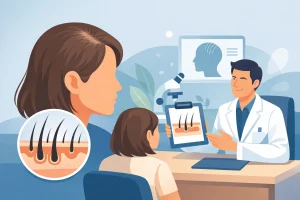
Hair thinning can have many causes. Learn how a specialist scalp assessment identifies triggers and builds a clear plan for healthier, fuller-looking hair.
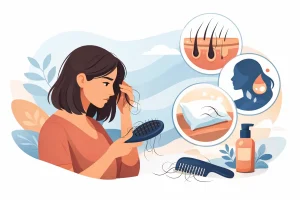
What causes female hair loss? Learn about hormones, stress, nutrition, scalp health and medical factors, plus when personalised expert care can help you.
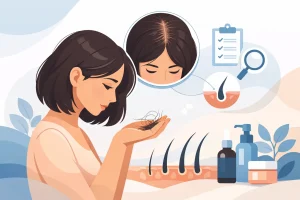
Female hair loss treatment starts with a specialist assessment, scalp health and a personal plan for stronger, fuller-looking hair and renewed confidence.