
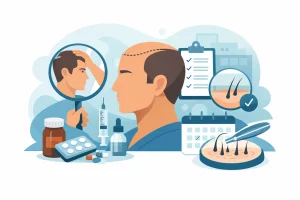
How to Prepare for Hair Transplant Surgery
Learn how to prepare for hair transplant surgery with clear advice on assessments, medicines, scalp care, recovery planning and realistic expectations.
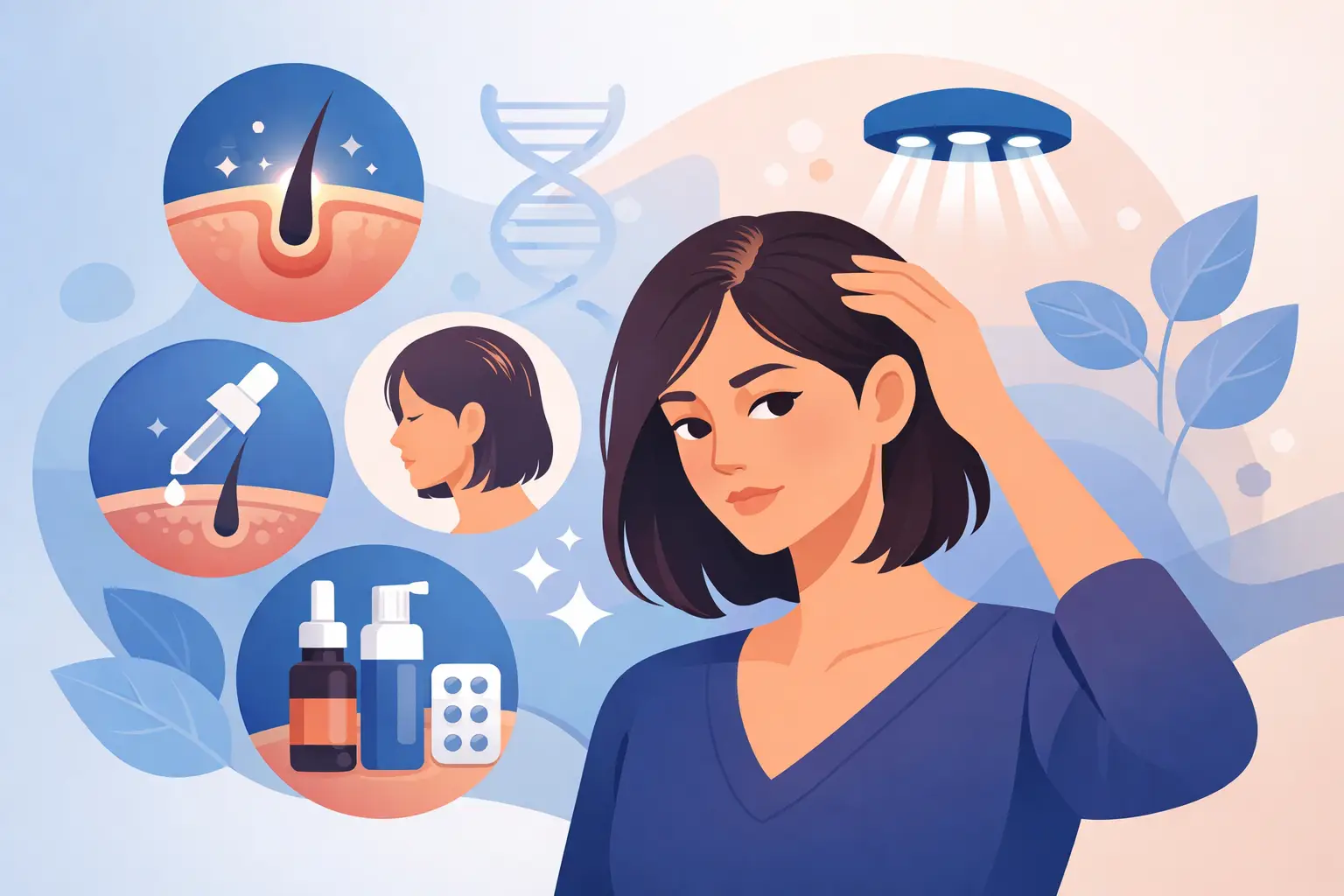
Hair thinning rarely arrives all at once. More often, it shows up in the shower drain, in photos taken under bright light, or in the way your parting seems wider than it used to. If you are searching for a new hair loss treatment 2026 female patients can genuinely feel hopeful about, the first thing to know is this – progress is real, but the best results still depend on accurate diagnosis, scalp health, and a treatment plan built around you.
For women, hair loss is rarely a simple cosmetic issue. It can affect confidence, daily routines, and even how comfortable you feel in social or professional settings. That is why conversations around newer treatments matter. Patients are no longer looking for vague promises or one-size-fits-all products. They want clinically sound options, realistic expectations, and support that treats the cause rather than just the symptom.
When people talk about a new hair loss treatment in 2026 for female hair thinning, they are usually referring to one of three things. The first is improved versions of established treatments, such as more refined platelet-rich plasma protocols, better scalp diagnostics, and more personalised combination plans. The second is regenerative medicine, including therapies designed to stimulate dormant follicles more effectively. The third is targeted treatment based on the specific type of female hair loss involved.
That last point matters more than most people realise. Female pattern hair loss, telogen effluvium, traction-related thinning, post-partum shedding, menopausal changes, and hair loss linked to iron deficiency or thyroid imbalance do not respond in exactly the same way. A treatment that is promising for one woman may be poorly matched for another.
This is where many patients lose time. They try trending products or social media recommendations before confirming what is actually happening on the scalp. In practice, newer treatment options tend to work best when they are part of a structured plan, not used in isolation.
One of the biggest changes heading into 2026 is that female hair restoration is becoming less about masking loss and more about improving the scalp environment in which healthy hair can grow. That means a stronger focus on inflammation, circulation, follicle miniaturisation, hormone sensitivity, and long-term maintenance.
Regenerative approaches are attracting attention for good reason. PRP remains one of the most recognised options because it uses the patient’s own platelets to support tissue repair and encourage follicle activity. What is changing is not just the treatment itself, but how it is delivered. Better candidate selection, more consistent protocols, and pairing PRP with scalp-focused aftercare are helping to improve predictability.
Alongside this, clinicians are increasingly combining therapies rather than relying on a single intervention. For example, a woman with early androgenetic thinning may benefit from medical management, PRP, scalp care, nutritional review, and regular monitoring. Someone with stress-related shedding may need a different approach altogether, with more emphasis on trigger identification and recovery timelines.
In other words, the newest thinking is not simply about chasing the latest device or injectable. It is about using the right treatment sequence for the right diagnosis.
The most promising treatments for women in 2026 are likely to be those that improve precision rather than those marketed as miracle cures. Advanced scalp imaging is making it easier to assess follicle health, miniaturisation patterns, and scalp inflammation early. That allows treatment plans to be more tailored and measured over time.
PRP continues to hold a strong place, particularly for women with early to moderate thinning who still have active follicles. It is not a replacement for diagnosis, and it is not suitable for every cause of loss, but it can be a valuable part of a broader restoration plan. The same is true for evidence-based topical and oral treatments prescribed under appropriate supervision.
There is also growing interest in exosome-related and cell-signalling therapies. These are often discussed as the next frontier in hair restoration. The science is developing, but this is an area where caution is essential. Some treatments may sound cutting-edge before there is enough long-term, female-specific evidence behind them. For patients, that means asking not only what is new, but what is proven, what is regulated, and what outcomes are realistic.
For many women, the real breakthrough in 2026 may not be one single treatment. It may be access to more personalised care that combines diagnostics, trichology expertise, and treatment monitoring in a far more effective way than generic product use ever could.
Healthy hair growth depends on a healthy scalp. That sounds simple, but it is often overlooked. Women with flaking, sensitivity, excess oiliness, inflammation, or buildup can struggle to respond well even to otherwise effective treatments.
If the scalp barrier is compromised, follicles may not function optimally. If there is ongoing irritation or untreated scalp disease, shedding may persist. This is why specialist assessment matters. A treatment plan should not begin and end with stimulating growth. It should also address the condition of the skin the hair is growing from.
In clinic, this often changes the conversation. A patient may arrive asking for the newest treatment available, only to discover that improving scalp balance, correcting deficiencies, and managing inflammation are the foundations that will make any growth-focused intervention more worthwhile.
Women in the earlier stages of thinning often have the most options. If follicles are still active, even if weakened, there is usually more opportunity to preserve density and encourage stronger regrowth. That is why early action matters.
Women with female pattern thinning may benefit from combination treatment over a sustained period. Those with post-partum or stress-related shedding may not need aggressive procedures, but they do need careful assessment to understand whether recovery is likely to happen naturally or whether treatment support is appropriate. Women approaching menopause often see a gradual decline in density and hair quality, and this is another group where tailored plans can make a meaningful difference.
There are also patients who have had a hair transplant or are considering one. For them, newer treatment strategies can support the scalp before surgery, protect surrounding native hair, and improve maintenance afterwards. This can be especially valuable for women, where preserving existing density is often just as important as any restorative procedure.
Not every innovation is ready for routine use, and not every clinic presenting a treatment as advanced is offering the same level of expertise. Female hair loss deserves proper assessment because the stakes are different. A delayed or inaccurate diagnosis can mean more thinning, more distress, and less chance of recovery.
Be wary of language that promises guaranteed regrowth, instant density, or universal success. Hair restoration is rarely that straightforward. Good clinicians will explain the likely response based on your diagnosis, age, pattern of loss, medical background, and scalp condition. They will also explain maintenance, because many forms of female hair loss require ongoing management rather than a one-off fix.
This is where specialist trichology-led care can make a significant difference. A thoughtful treatment plan should include diagnosis, photographs or imaging where appropriate, progress review, and honest discussion about timescales. Hair grows slowly. Even excellent treatment takes patience.
The best treatment is not always the newest advertised option. It is the one that matches your hair loss pattern, your health profile, and your goals. For some women, that means starting with medical investigation and scalp treatment. For others, it means regenerative therapy such as PRP, supported by a broader programme. For some, it may involve deciding what is unlikely to work, which can be just as valuable.
A good consultation should leave you feeling informed rather than overwhelmed. You should understand what type of hair loss you have, what stage it is at, what can realistically improve, and what needs ongoing support. You should also feel that your concerns about confidence, appearance, and privacy are being taken seriously.
At Dubai Hair Doctor, that is the difference a personalised approach is designed to make. Female hair loss is not treated as a beauty trend. It is assessed properly, managed with science-backed care, and supported with a plan that respects both medical reality and the emotional side of hair recovery.
If you are considering a new hair loss treatment in 2026 for female thinning, aim for clarity before novelty. The right treatment should make sense for your scalp, your diagnosis, and your future hair goals – and when those pieces come together, progress tends to feel far more reassuring.
Learn how to prepare for hair transplant surgery with clear advice on assessments, medicines, scalp care, recovery planning and realistic expectations.
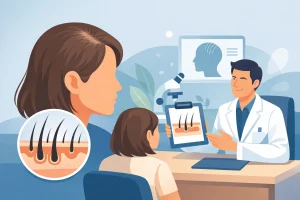
Hair thinning can have many causes. Learn how a specialist scalp assessment identifies triggers and builds a clear plan for healthier, fuller-looking hair.
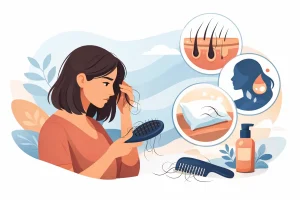
What causes female hair loss? Learn about hormones, stress, nutrition, scalp health and medical factors, plus when personalised expert care can help you.
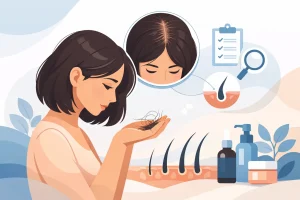
Female hair loss treatment starts with a specialist assessment, scalp health and a personal plan for stronger, fuller-looking hair and renewed confidence.