
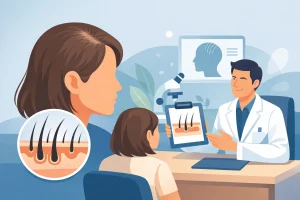
Hair Thinning and When to Seek Specialist Care
Hair thinning can have many causes. Learn how a specialist scalp assessment identifies triggers and builds a clear plan for healthier, fuller-looking hair.

A hair transplant can be a meaningful step towards restoring density and confidence, but the quality of your preparation matters just as much as the procedure itself. Knowing how to prepare for hair transplant surgery helps protect your scalp, supports healing and gives your surgeon the clearest possible foundation for a natural-looking result.
A transplant is not simply a cosmetic appointment. It is a surgical procedure that relies on healthy donor hair, a carefully planned hairline and a realistic understanding of what your existing hair can achieve. The right preparation begins well before the day of surgery.
The first question is not always whether you are suitable for a transplant. It is why your hair loss is happening, whether it is stable and whether surgery is the right next step.
Hair thinning can be linked to hereditary pattern hair loss, hormonal changes, stress, nutritional deficiencies, thyroid concerns, inflammatory scalp conditions, traction, medication or recent illness. This is particularly relevant for women, whose shedding and diffuse thinning may have several overlapping causes. A transplant cannot correct an active underlying condition on its own, and moving ahead too early may compromise the longevity of the result.
A specialist consultation should assess your scalp health, hair density, donor area and pattern of loss. It should also include an honest discussion about your medical history, family history and hair goals. Your treatment plan may involve stabilising hair loss first through scalp treatment, hair loss prevention programmes, PRP therapy or medical management where appropriate.
The donor area deserves particular attention. Hair follicles are usually taken from the back and sides of the scalp, where hair is often more resistant to thinning. However, donor supply is finite. A responsible plan preserves this area while creating coverage that will still look balanced if hair loss progresses over time.
The strongest transplant results are designed around proportion, not maximum density. A skilled surgeon can redistribute hair to improve framing and coverage, but cannot create an unlimited number of follicles.
Bring photographs of hairstyles you like, but remain open to clinical advice. A lower hairline may sound appealing, for example, yet it can use a large number of grafts and may look less natural as you age. For diffuse thinning, the priority may be strengthening existing hair before placing grafts between vulnerable native hairs.
Results also take patience. Transplanted hairs commonly shed in the first few weeks before new growth begins. Noticeable growth often develops gradually from around three to four months, with a fuller outcome becoming clearer over 9 to 12 months. Some patients, especially those having crown work, may need longer.
Once your procedure is booked, follow the instructions given by your surgical team rather than relying on general advice online. Your needs may differ depending on the technique used, your health history and any treatments you currently take.
Tell your clinician about every prescription medicine, over-the-counter treatment, vitamin, herbal supplement and topical product you use. This includes treatments for hair loss, acne, blood pressure, diabetes, mood, pain and skin conditions.
Some medicines and supplements can affect bleeding, blood pressure, anaesthesia or wound healing. Your clinician may advise pausing or adjusting certain products before surgery, but do not stop prescribed medication without their approval or the approval of the doctor who prescribed it. This is especially vital for anticoagulants and medication for long-term health conditions.
Avoid assuming that natural supplements are automatically safe. Products such as fish oil, vitamin E and some herbal remedies may need to be reviewed before a procedure because of their potential effect on bleeding.
Smoking and nicotine use can reduce blood flow to the scalp and interfere with healing. If you smoke, vape or use nicotine products, discuss a cessation plan with your clinic as early as possible. The required nicotine-free period varies, so individual guidance is essential.
Alcohol can also increase swelling, affect sleep and interact with medication. You will usually be asked to avoid it before surgery and during the early recovery period. Prioritise steady hydration, regular meals and sufficient sleep instead. There is no need for an extreme diet, but your body benefits from adequate protein and a varied intake of nutrient-rich foods.
If you have been unwell, have a fever, active skin infection or a flare-up of a scalp condition, contact the clinic promptly. Rescheduling can be frustrating, but protecting your safety and final result always comes first.
Do not experiment with new oils, strong exfoliants, colouring treatments or scalp devices shortly before surgery. Irritation, burns and dermatitis can make the scalp less comfortable to treat and may delay a procedure.
Wash your hair as instructed before attending, usually with a gentle shampoo. If you colour your hair, ask your clinic when to do this. Many patients are advised to colour their hair several days before surgery rather than during the immediate pre-operative period, but the timing should be personalised.
You may also be asked not to cut your hair very short beforehand. Longer hair can help your clinician assess the donor area and may make the early recovery phase easier to disguise. That said, preparation differs for FUE and FUT procedures, so follow your own surgical plan.
One of the most practical ways to prepare is to clear enough time and space for recovery. Although many people feel well quickly, the scalp needs protection in the first days after surgery.
Arrange transport home, as you may be tired after a long procedure or have received medication that makes driving unsuitable. Set up a calm recovery area with clean pillows, your prescribed aftercare items, easy meals and entertainment that does not require physical effort.
You may need to sleep with your head elevated for several nights to help manage swelling. Button-front shirts or loose tops are useful because they can be removed without catching the grafts. Prepare a clean, soft hat only if your clinic has approved one and explained when it is safe to wear.
Think ahead about work, travel and social commitments. Some people return to desk-based work within a few days, while others prefer a week or two before being seen in person due to redness, scabbing or temporary swelling. Avoid scheduling an important event immediately after your procedure. Healing cannot be rushed, and giving yourself privacy can make the experience feel far less stressful.
If you are travelling from outside Dubai, stay nearby for any required check-up and avoid arranging a rushed flight home. Your clinic should advise you on suitable travel timing, post-operative washing and how to contact the team if you have concerns.
Your clinician will give specific guidance, but early aftercare commonly involves avoiding strenuous exercise, swimming, direct sun exposure, saunas and activities that cause heavy sweating. These restrictions are temporary, yet they are designed to protect newly placed grafts while they settle.
You will also receive instructions on washing. This is not the time to scrub, pick at scabs or use a high-pressure shower. Scabbing is a normal part of healing, but removing it forcefully can disturb grafts and irritate the scalp.
Do not compare your recovery day by day with photographs online. Redness, swelling and shedding vary by skin type, procedure size and individual healing response. Instead, follow your clinic’s aftercare schedule and contact them if you experience increasing pain, spreading redness, discharge, fever or anything that feels unusual.
A hair transplant moves follicles from one area to another. It does not stop future thinning in your existing, non-transplanted hair. This is why long-term support matters, particularly when hair loss is still active or there is a strong family history of progressive thinning.
Your aftercare plan may include scalp assessments, preventative treatment, PRP sessions or recommendations tailored to your diagnosis. At Dubai Hair Doctor, the focus is on treating the scalp and wider pattern of hair loss alongside the transplant journey, so your result is supported rather than treated as a one-off procedure.
A well-prepared patient is not the person who has followed every trend on social media. It is the person who understands their diagnosis, follows personalised medical advice and gives their scalp the time and care it needs to recover well.
Hair thinning can have many causes. Learn how a specialist scalp assessment identifies triggers and builds a clear plan for healthier, fuller-looking hair.
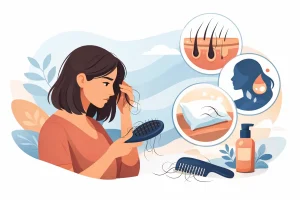
What causes female hair loss? Learn about hormones, stress, nutrition, scalp health and medical factors, plus when personalised expert care can help you.

Female hair loss treatment starts with a specialist assessment, scalp health and a personal plan for stronger, fuller-looking hair and renewed confidence.

Explore postpartum hair loss solutions that address shedding, scalp health and confidence, with personalised support for healthier regrowth after birth.