
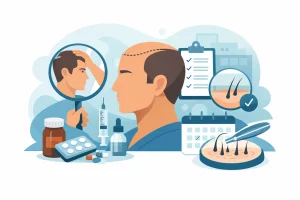
How to Prepare for Hair Transplant Surgery
Learn how to prepare for hair transplant surgery with clear advice on assessments, medicines, scalp care, recovery planning and realistic expectations.
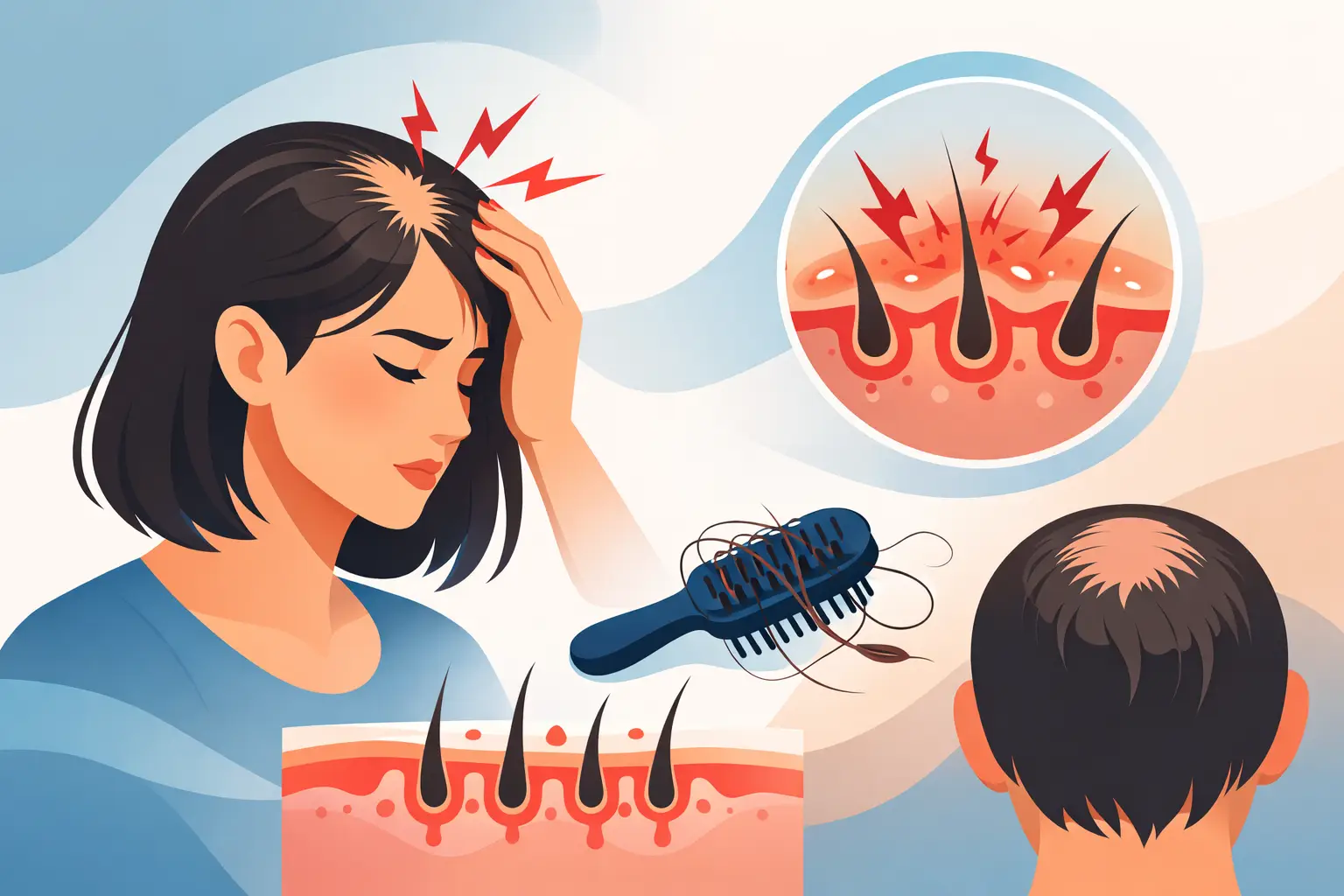
If your scalp hurts when you brush, tie your hair back, or even rest your head on a pillow, it is easy to assume the pain is minor and separate from shedding. In reality, scalp pain hair loss can be connected. When tenderness, burning, itching, or soreness show up alongside thinning, your scalp may be signaling inflammation, tension, or a condition that needs proper diagnosis.
For many women, this is the part of hair loss that feels most upsetting. It is not only about seeing more hair in the shower drain. It is also the discomfort, the fear of washing your hair, and the uncertainty of not knowing whether the problem is temporary or progressive. That uncertainty is exactly why scalp symptoms should never be brushed aside.
Hair grows from follicles embedded in the scalp. When the scalp environment becomes irritated or inflamed, those follicles can be affected. In some cases, the result is shedding. In others, hair becomes finer over time, breaks more easily, or stops growing as well as it should.
Pain can show up in different ways. Some women describe it as a sore scalp, especially when moving the hair. Others notice burning, tingling, itching, or a bruised sensation. The medical term often used for scalp discomfort is trichodynia, but that label alone does not explain the cause. It simply tells you the symptom is real.
Sometimes the issue is relatively straightforward, such as irritation from harsh products or tight hairstyles. Sometimes it points to an underlying scalp disorder or a pattern of hair loss that needs targeted treatment. That is why a careful assessment matters more than guesswork.
One of the most common drivers is scalp inflammation. Conditions such as seborrheic dermatitis, psoriasis, folliculitis, and eczema can all make the scalp sore while disrupting healthy hair growth. If the scalp is persistently inflamed, follicles do not perform at their best.
Telogen effluvium can also come with scalp discomfort. This type of shedding often follows stress, illness, hormonal shifts, nutritional deficiency, or major life changes. Not every woman with telogen effluvium feels pain, but some do report tenderness, tingling, or sensitivity during active shedding.
Traction is another major cause. Tight ponytails, buns, braids, extensions, and repeated tension from styling can make the scalp painful before visible thinning becomes obvious. In early stages, traction hair loss may improve if the tension stops. If it continues for too long, the follicle damage can become permanent.
There is also the possibility of inflammatory alopecia, including scarring forms of hair loss. These conditions are less common, but they are important because they can lead to lasting follicle damage if treatment is delayed. Pain, burning, and itching are often stronger clues here than shedding alone.
And then there is product-related irritation. Hair dyes, bleaching agents, fragrances, preservatives, and aggressive exfoliating treatments can trigger contact dermatitis or scalp barrier damage. The scalp may feel tight, sore, flaky, or raw, and increased shedding can follow.
Many women spend months trying shampoos, oils, and supplements, assuming the issue is purely cosmetic. But scalp pain is not a cosmetic symptom. It suggests that the scalp itself may be under stress.
That distinction matters. If the root cause is inflammation, using stimulating products may make things worse. If the issue is traction, applying growth serums while continuing the same hairstyles will not solve it. If the cause is hormonal shedding with scalp sensitivity, you need a plan that addresses both the hair cycle and scalp health.
The most effective treatment starts with accuracy. Hair loss is not one condition, and a sore scalp can mean very different things depending on the pattern, timing, and associated symptoms.
Not every episode of scalp tenderness is urgent. If you wore your hair tightly for a day and your scalp feels sore afterward, that is different from persistent pain with ongoing hair loss. The pattern matters.
You should pay closer attention if the pain lasts for more than a couple of weeks, if you see increased shedding, if thinning is becoming visible around the part line or hairline, or if the scalp looks red, flaky, bumpy, or shiny. Patches of hair loss, pimples around follicles, and pain that worsens over time also deserve prompt evaluation.
If your scalp feels hot, burning, or sharply tender, especially in one area, it is wise to seek specialist advice rather than self-treating. This is particularly true if you have already tried changing products and the symptoms continue.
A proper evaluation should look at both the hair and the scalp. That includes your shedding history, styling habits, hormone changes, stress levels, recent illness, medications, and family history. It should also include a close scalp examination to assess inflammation, follicle health, scaling, oiliness, and the pattern of loss.
In some cases, blood work may be relevant to rule out contributing factors such as iron deficiency, thyroid imbalance, low vitamin D, or other nutritional issues. If the presentation suggests a more complex scalp disorder, further investigation may be needed.
This is where specialist trichology care can make a real difference. At Dubai Hair Doctor, the focus is not on generic recommendations. It is on identifying why the scalp is painful, why the hair is shedding, and what combination of treatments is most likely to restore stability and confidence.
There is no one-size-fits-all fix for scalp pain and hair loss, and honest care means saying that clearly.
If inflammation is driving the problem, calming the scalp is often the first priority. That may involve medicated topical care, a reduction in irritants, and support for the scalp barrier. If buildup or dermatitis is present, treatment should be targeted rather than overly aggressive.
If traction is the issue, the solution is partly behavioral. Looser styling, reduced extension use, and avoiding repeated stress on the same areas are essential. This can feel frustrating if sleek hairstyles are part of your routine, but early changes protect long-term density.
If the shedding is linked to stress, hormones, or deficiency, the approach may include nutritional correction, hair cycle support, and therapies that improve follicle function. In some cases, scalp-focused treatments and PRP may be considered as part of a broader plan, but only when they fit the diagnosis.
For women with more persistent thinning, treatment often works best when it combines several elements: scalp health management, medical-grade home care, in-clinic therapy, and ongoing monitoring. Quick fixes rarely deliver lasting change when the underlying cause has not been addressed.
While waiting for expert advice, keep your routine simple and gentle. Avoid tight hairstyles, harsh scrubs, and frequent heat styling if your scalp is already tender. Wash with a mild scalp-friendly cleanser rather than letting oil, sweat, and product residue build up for too long. If a product stings, stop using it.
Be cautious with online advice that recommends heavy oils for every scalp problem. Oils can be soothing for some women, but if your scalp is inflamed, congested, or affected by dermatitis, they may not help and can sometimes make symptoms worse.
It also helps to track timing. Note when the pain started, whether shedding increased at the same time, and whether anything changed in your routine, health, or stress levels. Those details often make diagnosis much clearer.
Women often minimize hair concerns because they feel they should be grateful it is not something more serious. But hair loss that comes with scalp pain can affect confidence, social comfort, and daily routines in a very real way. It changes how you style your hair, how often you wash it, and how safe you feel investing in color or treatment.
Compassionate care matters here. You do not need to wait until the thinning is severe to ask for help. In fact, earlier intervention usually gives you more options and a better chance of protecting the hair you still have.
If your scalp has been hurting and your hair feels thinner, trust that signal. A painful scalp is not something to ignore, especially when shedding is part of the picture. The right diagnosis can turn a stressful guessing game into a clear treatment plan, and that is often the first step toward feeling like yourself again.
Learn how to prepare for hair transplant surgery with clear advice on assessments, medicines, scalp care, recovery planning and realistic expectations.
Hair thinning can have many causes. Learn how a specialist scalp assessment identifies triggers and builds a clear plan for healthier, fuller-looking hair.
What causes female hair loss? Learn about hormones, stress, nutrition, scalp health and medical factors, plus when personalised expert care can help you.
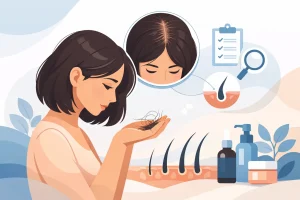
Female hair loss treatment starts with a specialist assessment, scalp health and a personal plan for stronger, fuller-looking hair and renewed confidence.