
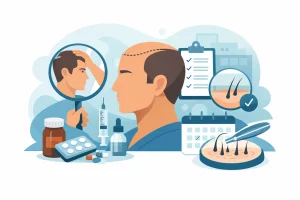
How to Prepare for Hair Transplant Surgery
Learn how to prepare for hair transplant surgery with clear advice on assessments, medicines, scalp care, recovery planning and realistic expectations.
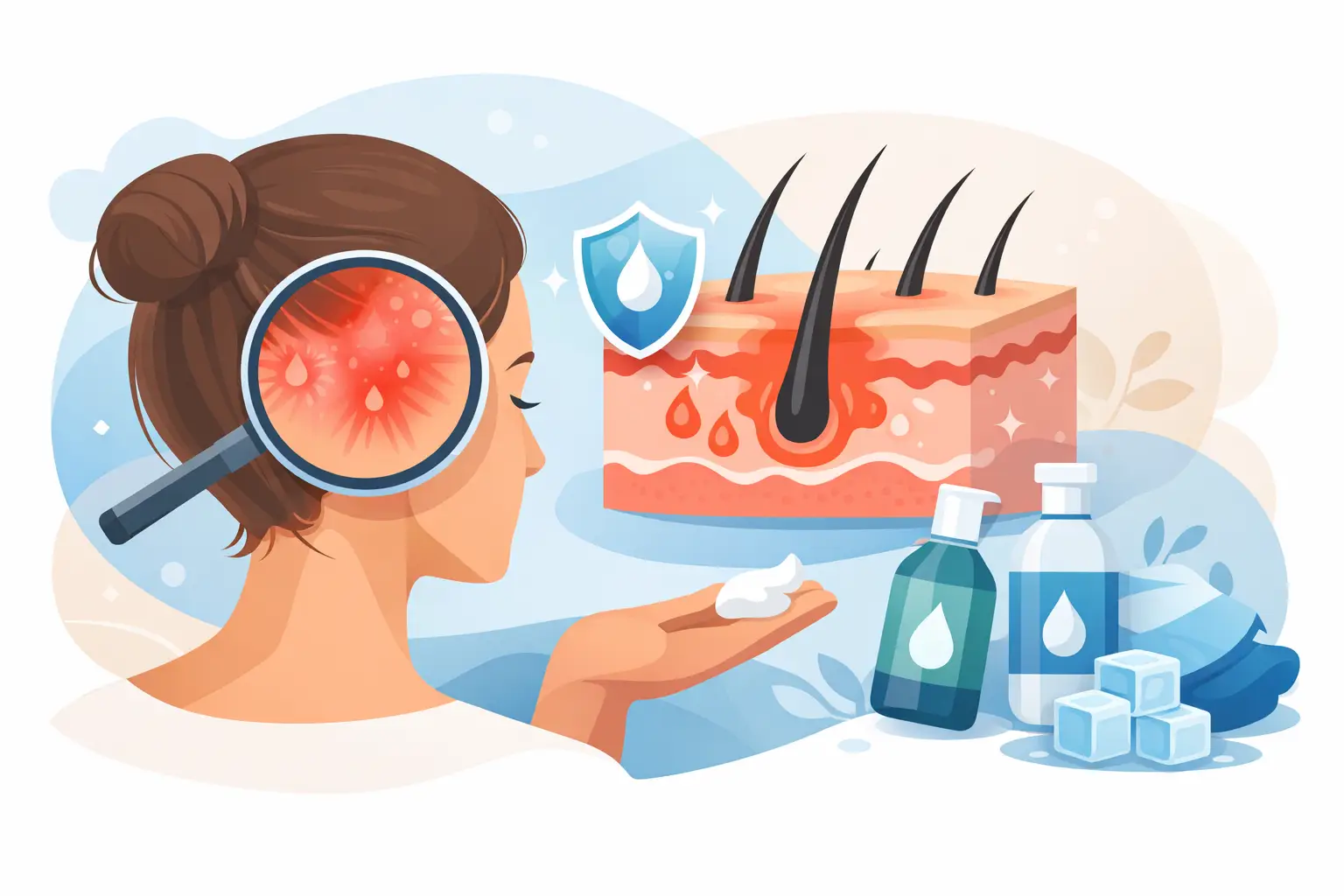
That tight, itchy, tender feeling on your scalp is easy to dismiss at first. Then the redness lingers, flakes show up, your roots feel sore, and suddenly you are searching for how to treat scalp inflammation because your usual shampoo is not enough. For many women, scalp irritation is not just uncomfortable. It can affect hair density, shedding, styling confidence, and how secure you feel in your appearance.
Scalp inflammation is not a diagnosis by itself. It is a signal that something is disrupting the scalp barrier or triggering an immune response. That might be dandruff, seborrheic dermatitis, psoriasis, eczema, product buildup, allergic contact dermatitis, fungal overgrowth, heat damage, or inflammation linked to hair loss conditions. The right treatment depends on the cause. That is why quick fixes often disappoint.
If your scalp is inflamed, the first step is to stop treating every symptom as if it were simple dryness. Dryness can cause discomfort, but inflammation usually has a pattern. Redness, itching, burning, soreness, greasy flakes, thick scaling, breakouts, and increased hair shedding all point to different possibilities.
Seborrheic dermatitis often causes itchiness with oily or yellowish flakes, especially around the hairline, behind the ears, and at the crown. Psoriasis tends to create thicker, more defined plaques with silvery scale. Eczema may feel dry, reactive, and intensely itchy. Allergic reactions can appear after a new hair dye, shampoo, oil, or styling product. Folliculitis may look like small, painful bumps. If there is visible thinning, widening of the part, or excessive shedding along with inflammation, a trichology assessment becomes even more important.
This is where honesty matters. There is no single product that treats every inflamed scalp. A medicated shampoo can help one woman and make another more irritated. Natural oils soothe some scalps and aggravate others. Real improvement begins when treatment matches the trigger.
A scalp can remain irritated for weeks or months when the underlying issue is still active. In practice, we often see several factors happening at once.
One common issue is over-treatment. Women with itchy or flaky scalps often rotate between clarifying shampoos, anti-dandruff products, exfoliating scrubs, hair masks, oils, and leave-ins. The intention is understandable, but too many actives can strip the scalp barrier and keep it reactive.
Another issue is contact irritation. Fragrance, preservatives, essential oils, hair dye ingredients, dry shampoo, and heavy styling products can all trigger inflammation in sensitive skin. Even products labeled clean or natural are not automatically gentle.
Climate and lifestyle matter too. Heat, sweat, hard water, frequent blow-drying, tight hairstyles, and stress can worsen inflammation. In women already dealing with hair thinning, an unhealthy scalp environment can make shedding feel more pronounced and recovery slower.
This is one of the most overlooked concerns. Ongoing scalp inflammation can disturb the hair growth cycle and, in some cases, contribute to excessive shedding or worsen existing thinning. Conditions such as seborrheic dermatitis, scalp psoriasis, and some scarring alopecias involve inflammatory activity that should not be ignored.
That does not mean every itchy scalp leads to permanent hair loss. But if you notice tenderness, burning, flakes, and increased shedding together, it is worth getting a proper evaluation rather than self-treating for months.
If you are wondering how to treat scalp inflammation safely at home, start by simplifying your routine. Pause anything that stings, heats up, heavily perfumes, or coats the scalp. That includes harsh scrubs, strong oils, hair perfumes, and frequent use of dry shampoo.
Switch to a gentle shampoo designed for sensitive scalps, unless you have already been advised to use a medicated formula. Wash consistently enough to keep sweat, oil, and buildup under control. For some women that means every other day. For others, especially with curls or very dry lengths, it may be less frequent. The goal is a clean scalp without over-washing.
If flaking and itch are prominent, an anti-inflammatory or antifungal shampoo may help, depending on the cause. Ingredients such as ketoconazole, zinc pyrithione, selenium sulfide, salicylic acid, or coal tar can be useful, but not all are right for all scalps. Some reduce scaling effectively but may dry the hair shaft or irritate very sensitive skin. It often takes a bit of adjustment to find the right frequency and formulation.
Cool water rinsing can reduce discomfort if your scalp feels hot or irritated. It is also wise to reduce friction. Avoid aggressive brushing, tight ponytails, extension tension, and scratching with nails. If the scalp is very sore, even the way you part or style your hair can make a difference.
A calm scalp also benefits from scalp-focused hygiene. Clean pillowcases regularly, wash brushes, and be mindful of leaving sweat sitting on the scalp after workouts. These small habits do not cure inflammation on their own, but they help remove ongoing triggers.
Professional treatment depends on what is driving the inflammation. If the issue is seborrheic dermatitis, treatment may include antifungal shampoos or topical anti-inflammatory medication. If psoriasis is involved, stronger prescription therapies may be needed. If there is allergic contact dermatitis, identifying and avoiding the trigger is essential. If the scalp barrier is damaged, treatment may focus on repairing the skin environment before adding stronger actives.
In a specialist setting, scalp analysis can help distinguish between flaking from dryness, inflammation around follicles, scaling disorders, and early signs of hair loss. That distinction matters because treating the visible symptom without understanding the scalp environment can delay progress.
For women who are also concerned about thinning, treatment plans may combine inflammation control with hair restoration support. That can include targeted scalp therapies, medical-grade home care, nutritional review where appropriate, and long-term monitoring of hair density and shedding patterns. At Dubai Hair Doctor, this kind of individualized approach is especially valuable for women who have tried multiple products without clear answers.
Many effective scalp treatments come with trade-offs. A stronger shampoo may control flakes but leave the hair lengths dry. A steroid lotion may calm a flare but is not intended for indefinite unsupervised use. Exfoliating ingredients can lift scale but may aggravate already broken skin if overused.
That does not mean these treatments are problematic. It means they work best when used with guidance, clear timing, and the right support around them. The goal is not to throw everything at the scalp. It is to reduce inflammation while preserving the scalp barrier and keeping the hair in good condition.
Sometimes scalp inflammation is mild and settles with a simpler routine. Sometimes it is a sign that you need expert help sooner rather than later.
If you have persistent redness, thick scaling, painful bumps, oozing, patchy hair loss, severe tenderness, or symptoms that keep returning after temporary improvement, do not rely on trial and error alone. The same applies if you have recently reacted to a hair dye or treatment, or if your scalp discomfort is affecting sleep and daily comfort.
Scalp inflammation should also be taken seriously if you are seeing increased hair fall in the shower, on your brush, or along your part line. Women often wait until the shedding becomes visually distressing. Earlier assessment usually gives you more treatment options and a better chance of stabilizing both scalp health and hair growth.
Once the irritation improves, maintenance matters. Many women stop treatment as soon as the symptoms calm down, only to have the cycle return. Long-term control usually comes from knowing your triggers and following a routine your scalp can tolerate consistently.
That may mean using a medicated shampoo once weekly for prevention, being selective with styling products, avoiding unnecessary fragrance on the scalp, and protecting the scalp from excessive heat and friction. If stress tends to trigger flares, that is worth acknowledging too. Stress does not cause every scalp condition, but it can worsen inflammatory activity in some women.
It is also helpful to think beyond the hair itself. A healthy scalp is living skin. When the skin barrier is balanced and inflammation is under control, hair has a better environment in which to grow.
The most reassuring thing to know is this: scalp inflammation is common, treatable, and very often manageable with the right diagnosis and plan. If your scalp has been sending distress signals for a while, listen to them. Relief usually starts not with another random product, but with a more precise answer.
Learn how to prepare for hair transplant surgery with clear advice on assessments, medicines, scalp care, recovery planning and realistic expectations.
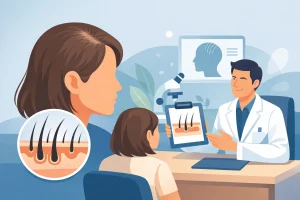
Hair thinning can have many causes. Learn how a specialist scalp assessment identifies triggers and builds a clear plan for healthier, fuller-looking hair.
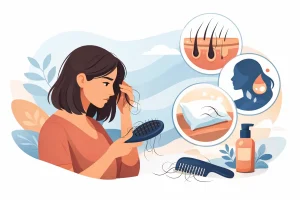
What causes female hair loss? Learn about hormones, stress, nutrition, scalp health and medical factors, plus when personalised expert care can help you.
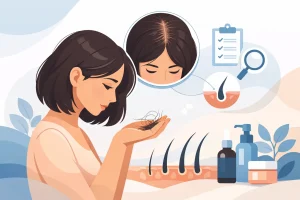
Female hair loss treatment starts with a specialist assessment, scalp health and a personal plan for stronger, fuller-looking hair and renewed confidence.