
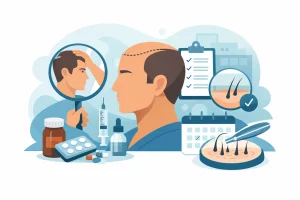
How to Prepare for Hair Transplant Surgery
Learn how to prepare for hair transplant surgery with clear advice on assessments, medicines, scalp care, recovery planning and realistic expectations.
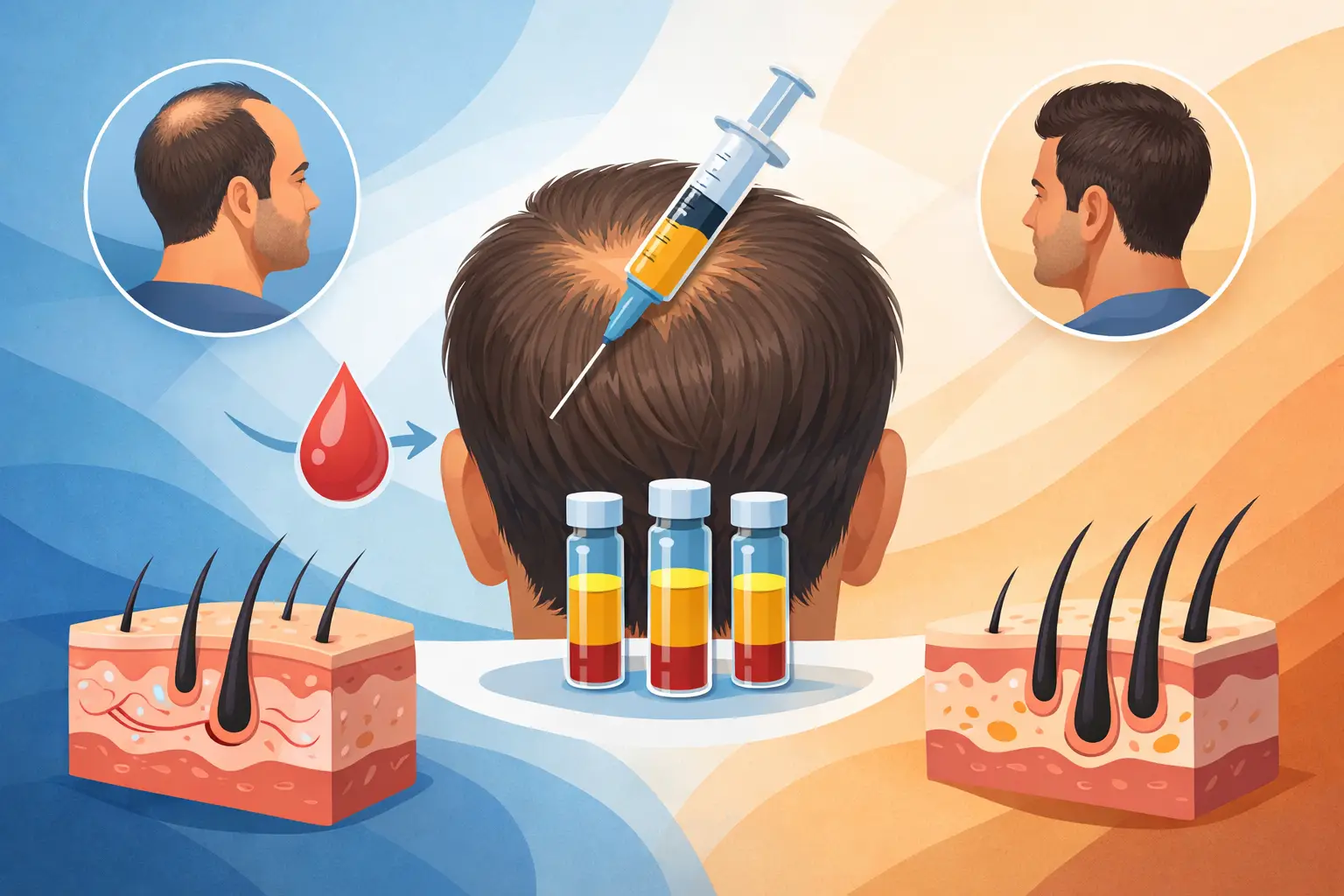
A lot of women searching for prp hair restoration before after photos are hoping for one thing – proof that treatment can make a visible difference without surgery. That is a reasonable expectation, but it helps to know what those images can and cannot show. PRP can improve density, reduce shedding, and support healthier regrowth, but the best results come when the treatment is matched to the right diagnosis, timing, and scalp condition.
For many women, the hardest part is not starting treatment. It is sorting through exaggerated promises. Hair thinning can feel deeply personal, especially when it affects your confidence, styling choices, and sense of control. Before-and-after results matter because they offer reassurance, but they only become meaningful when they are interpreted with medical honesty.
PRP stands for platelet-rich plasma, a treatment that uses a concentrated portion of your own blood to deliver growth factors to the scalp. In hair restoration, the goal is to stimulate weakened follicles, support the hair growth cycle, and improve the environment of the scalp.
When you look at before-and-after photos, you are usually seeing one or more of three changes. The first is reduced scalp visibility, especially along the part line or crown. The second is improved thickness in existing hair, which can make the hair look fuller even before major regrowth occurs. The third is less active shedding over time, which often matters just as much as visible regrowth.
This is where expectations need to stay realistic. PRP does not create unlimited new follicles, and it does not work the same way for every type of hair loss. If follicles are still active but weakened, results are often more encouraging. If a follicle has been inactive for too long, response may be limited.
One reason some women feel uncertain after PRP is that the timeline is not instant. A before-and-after image may show a strong change at four or six months, but that progress happens in stages.
In the first few weeks, the scalp may feel healthier, but visible changes are usually subtle. Some women notice less shedding first. This can be an early sign that the treatment is helping calm the cycle of ongoing loss.
By the two- to three-month mark, early thickening may begin to appear. Hair often starts to look less flat at the roots, and the part line may seem slightly narrower. Around four to six months, more visible cosmetic improvement is common, particularly in women with diffuse thinning rather than complete bald patches.
Longer-term maintenance matters. PRP is rarely a one-time fix. Most patients need an initial course of treatment followed by maintenance sessions based on how their scalp responds, what type of hair loss they have, and whether any underlying triggers are still active.
The best candidates for PRP are usually women with early to moderate thinning, including pattern-related hair loss, stress-related shedding recovery, or thinning linked to hormonal shifts. Women who still have miniaturized hairs in the affected area often respond better than those with long-standing, completely inactive follicles.
Scalp health also makes a difference. Inflammation, buildup, untreated dandruff, or excessive oil imbalance can interfere with progress. That is why responsible treatment should never focus on injections alone. A healthy scalp gives hair follicles a better chance to respond.
The strongest prp hair restoration before after outcomes often happen when treatment is part of a broader plan. If iron deficiency, thyroid issues, hormonal imbalance, nutritional stress, or chronic scalp irritation are contributing to hair loss, those factors need attention too. Otherwise, PRP may help, but results can plateau sooner than expected.
Hair restoration is never just about the procedure. It is also about diagnosis. Two women can both have thinning at the crown and still need very different treatment strategies.
For example, a woman with early female pattern hair loss may show gradual thickening and stronger density after PRP. A woman with active telogen effluvium caused by recent illness, stress, or postpartum changes may first need the trigger addressed before PRP has a meaningful role. A woman with scarring alopecia may need a very different medical approach, because some inflammatory forms of hair loss require control of disease activity before restoration is considered.
This is why photo comparisons without context can be misleading. Lighting, hair styling, length, and angle can all influence how dramatic a result appears. Honest clinical photography is taken under consistent conditions and interpreted alongside scalp assessment, medical history, and follow-up progress.
Many women imagine before-and-after results as a dramatic transformation from sparse hair to very thick hair. Sometimes improvement is more refined than that, but still significant in daily life.
A realistic successful result may mean your scalp shows less through the front parting. It may mean your ponytail feels fuller. It may mean fewer hairs on your pillow, in the shower, or on your brush. It may mean you no longer feel the need to style around thin areas every morning.
Those changes can be meaningful because hair confidence is often built on small visual improvements that make you feel more like yourself again. The emotional side of hair loss should never be dismissed. For many women, modest but real progress can restore a sense of normalcy and control.
There is a reason experienced hair specialists take a measured approach with PRP. It can be a valuable treatment, but it works best when used with precision.
A careful provider will assess your type of hair loss, scalp condition, medical history, shedding pattern, and treatment goals before recommending a plan. In some cases, PRP is an excellent first-line option. In others, it may be combined with scalp therapy, targeted home care, supplements, or medical support to create stronger and more sustainable results.
That may sound less exciting than a quick promise, but it is how long-term improvement is built. Hair growth follows biology, not marketing timelines.
Before committing to treatment, ask how the photos were taken, how long after treatment they were captured, and what type of hair loss the patient had. Ask whether the result came from PRP alone or from a combined treatment plan.
You should also ask how many sessions are usually recommended, when maintenance begins, and what factors could limit your response. A trustworthy clinic will answer these questions clearly. It will not pressure you with unrealistic guarantees.
For women who want a specialist-led, individualized approach, that transparency matters. At Dubai Hair Doctor, the focus is not simply on offering a treatment. It is on understanding why your hair is thinning and building a plan that supports visible improvement with honesty and care.
There are situations where PRP has a role, but not as a standalone answer. If hair loss is advanced, if there is significant follicle loss, or if an internal trigger is still active, progress may be limited without additional intervention.
This does not mean PRP has failed. It means the treatment needs to fit the biology. Some women need scalp recovery first. Others benefit from combining PRP with medical treatment or using it as support after a transplant. In many cases, the best results come from layering therapies thoughtfully rather than expecting one treatment to do everything.
That balance is especially important for female patients, because women’s hair loss is often more diffuse, more hormonally influenced, and more emotionally distressing than people realize. A tailored plan respects that complexity.
Before-and-after images are useful, but they should be the start of the conversation, not the whole decision. The better question is not whether PRP can create a visible change. For the right candidate, it often can. The better question is whether your hair loss has been properly assessed so that any change is likely to last.
If you are considering PRP, look for expertise, consistency, and honest guidance. The right treatment plan should leave you feeling informed, supported, and hopeful for reasons grounded in science, not sales language. Hair restoration is at its best when the result looks natural, the progress is measurable, and your confidence returns little by little with each stage of care.
The most reassuring before-and-after result is not the most dramatic photo. It is the one backed by the right diagnosis, the right timing, and a plan designed specifically for you.
Learn how to prepare for hair transplant surgery with clear advice on assessments, medicines, scalp care, recovery planning and realistic expectations.
Hair thinning can have many causes. Learn how a specialist scalp assessment identifies triggers and builds a clear plan for healthier, fuller-looking hair.
What causes female hair loss? Learn about hormones, stress, nutrition, scalp health and medical factors, plus when personalised expert care can help you.
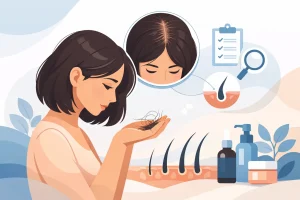
Female hair loss treatment starts with a specialist assessment, scalp health and a personal plan for stronger, fuller-looking hair and renewed confidence.