
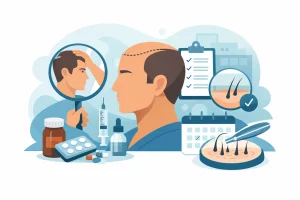
How to Prepare for Hair Transplant Surgery
Learn how to prepare for hair transplant surgery with clear advice on assessments, medicines, scalp care, recovery planning and realistic expectations.
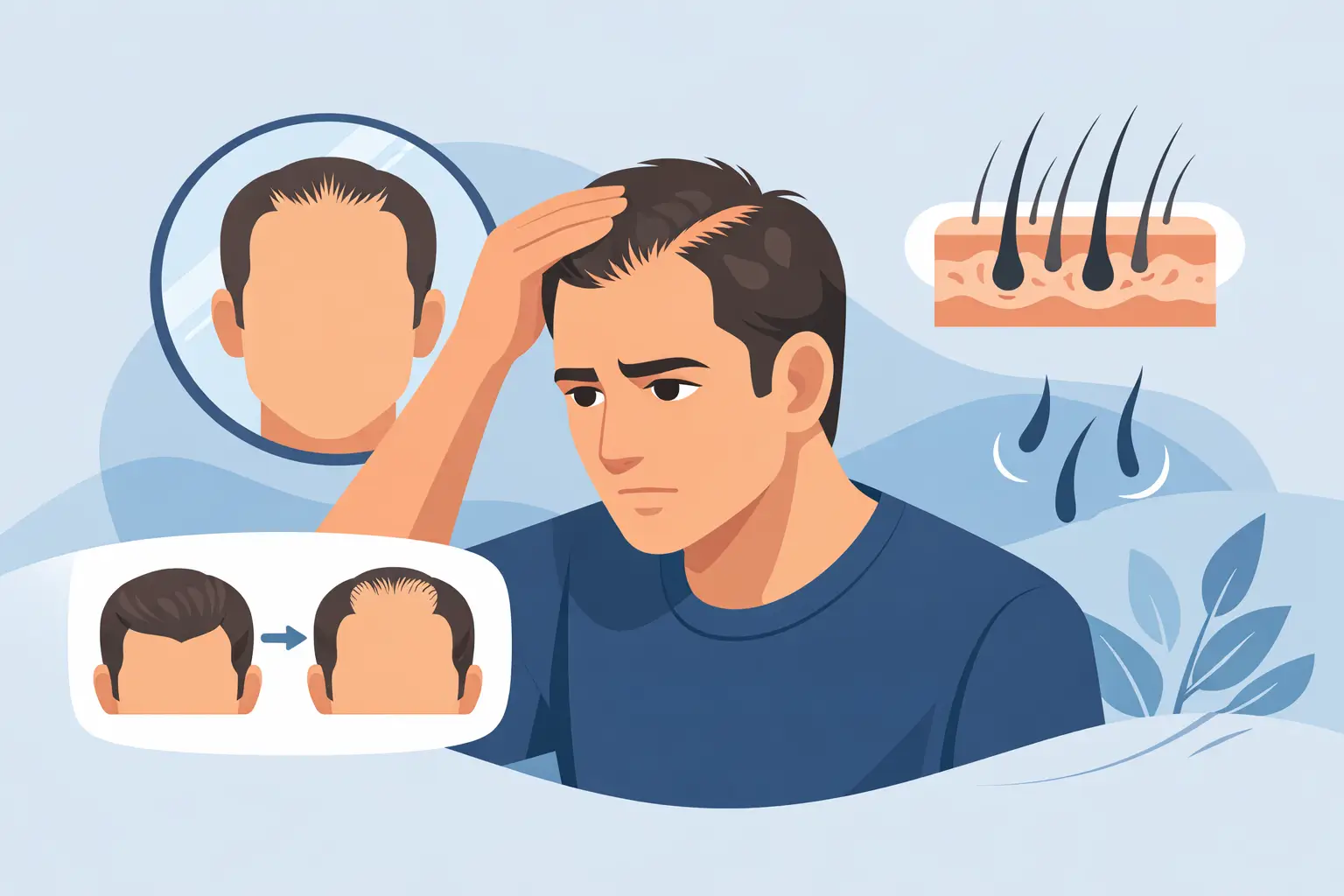
You notice it while tying your hair back. The front looks lighter, your part seems to creep wider near the temples, and suddenly the question becomes very personal: why is my hairline thinning? For many women, hairline changes feel especially distressing because they frame the face and are hard to hide. The good news is that a thinning hairline is not one single diagnosis. It is a symptom, and the cause matters.
A hairline can thin for several different reasons, and some are much more treatable than women realize. In clinic, we often see women who have spent months trying oils, supplements, or styling changes before getting a proper scalp and hair assessment. Sometimes the issue is temporary shedding. Sometimes it is breakage rather than true loss. Sometimes it points to an underlying scalp condition, hormone shift, or pattern hair loss that needs targeted treatment.
The short answer is that hairline thinning usually happens when the growth cycle is disrupted, the follicles become stressed, or the hair shaft breaks faster than it can recover. But the real answer depends on your age, health history, styling habits, scalp condition, and the pattern of loss.
A receding or fragile hairline in women often falls into one of a few categories: hormonal thinning, traction-related damage, stress or illness-related shedding, nutritional deficiency, inflammatory scalp disease, or female pattern hair loss. These can overlap, which is why self-diagnosing can be misleading.
If your thinning appeared quite suddenly, that suggests a different cause than a hairline that has gradually become sparser over one or two years. If your scalp feels itchy, tender, or flaky, that points us in another direction. If the hairline is intact but full of short broken pieces, breakage may be the main issue rather than follicle loss.
One of the most common and overlooked causes is traction alopecia. This happens when the hairline is repeatedly pulled by tight ponytails, slick buns, braids, extensions, wigs, or head coverings worn with constant tension. The temples are often the first place it shows.
Early traction damage can improve if the tension stops soon enough. Long-term pulling, however, can scar the follicles and make regrowth much more difficult. That is why timing matters. If your hairstyle leaves your scalp sore, tight, or bumpy, your hairline is under stress.
Female pattern hair loss does not always begin at the crown. In some women, the frontal hairline and temples become finer over time, especially with a family history of thinning. The hairs do not always fall out in dramatic amounts. Instead, they gradually miniaturize, meaning each strand grows back thinner, shorter, and weaker.
This type of thinning can be subtle at first, which is why many women wait too long before seeking help. Early intervention usually gives better outcomes because the goal is to support active follicles before they become too compromised.
Hormones can affect the hairline more than many women expect. Pregnancy, postpartum recovery, perimenopause, menopause, thyroid imbalance, and polycystic ovary syndrome can all influence density around the front and temples.
Postpartum shedding is a common example. A woman may feel her hairline suddenly looks thinner a few months after giving birth. In many cases, this improves with time, but not always completely, especially if an underlying predisposition to female pattern loss is also present.
If you have been through significant emotional stress, a high fever, surgery, rapid weight loss, or a major illness, the hair cycle can shift into a shedding phase called telogen effluvium. This type of shedding usually appears several weeks or months after the trigger, which is why the timing can feel confusing.
Telogen effluvium often affects the whole scalp, but many women notice it most around the hairline because facial framing areas are so visible. It usually improves when the trigger is addressed, though chronic stress or repeated triggers can make recovery slower.
Low iron, low vitamin D, inadequate protein intake, and other nutritional issues can contribute to thinning, especially if you are also dealing with fatigue, brittle nails, or low energy. The hairline may not be the only area affected, but it can appear thinner first simply because fine miniaturized hairs are easier to notice there.
Supplements are not automatically the answer. Taking the wrong one, or taking one without understanding whether you are actually deficient, can waste time while the real issue continues.
A healthy scalp supports healthy hair growth. Conditions such as seborrheic dermatitis, psoriasis, folliculitis, and certain forms of scarring alopecia can all affect the hairline. If you have redness, scaling, burning, tenderness, pimples, or shiny patches near the front of the scalp, it is important not to ignore that.
Inflammatory hair loss can sometimes look like ordinary thinning in the early stages. The difference is that some inflammatory conditions can permanently damage follicles if left untreated.
Not every thin-looking hairline means the follicle has stopped producing hair. In many women, the concern is a mix of fragility, breakage, and damaged texture. Frequent heat styling, bleaching, chemical straightening, or rough brushing can leave the front hairline looking sparse because the hairs snap before they reach normal length.
This matters because treatment for breakage is different from treatment for follicle-based hair loss. You may need scalp support and growth stimulation, but you also need to protect the existing strands so they can survive long enough to create visible density.
There are a few moments when waiting is not the best strategy. If your temples are becoming visibly sparse, your scalp is starting to show, your hairline feels tender, or you have itching, flaking, or bumps, an expert assessment is worth arranging. The same applies if your hair has been shedding for more than a few months, or if you have already tried products without improvement.
A proper evaluation should look at more than the hair itself. It should consider scalp health, medical history, hormones, family pattern, nutrition, stress, and your styling routine. This is where specialized female hair loss care makes a real difference. Women are often told their hair loss is “normal” without anyone identifying what type it is or what can realistically help.
This is where many women lose time. They search for one universal answer to why is my hairline thinning, but treatment only works well when it matches the cause.
If the issue is traction, the plan must focus on eliminating tension and calming follicle stress. If the issue is female pattern hair loss, treatment needs to support miniaturizing follicles and improve long-term density retention. If the problem is scalp inflammation, the scalp must be stabilized first. If shedding was triggered by stress, illness, or postpartum recovery, the approach may be more about cycle recovery and monitoring.
Some women benefit from a combination of in-clinic therapies and home care. Depending on the diagnosis, that may include scalp therapy, PRP, targeted topical support, nutritional guidance, or a broader hair loss prevention program. The trade-off is that no ethical specialist should promise the same timeline or result for everyone. Hairline recovery depends on whether follicles are dormant, miniaturized, inflamed, or permanently damaged.
Start by reducing anything that puts tension on the front hairline. Loosen hairstyles, limit extension weight, and avoid repeated slick styles if your temples are already fragile. Be gentler with heat and chemical processing, especially around the face-framing area.
Pay attention to scalp symptoms instead of covering them up. A flaky, irritated, or sore scalp is not just a cosmetic inconvenience. It can be part of the reason your hairline is struggling.
Most importantly, resist the urge to cycle through random products every few weeks. Hair growth is slow, and the wrong treatment can delay the right one. A clear diagnosis saves more time than another trial-and-error purchase.
At Dubai Hair Doctor, one of the most reassuring things women discover is that hairline thinning often has an explanation and, in many cases, a plan. You do not need to guess whether it is hormones, traction, scalp inflammation, or early pattern loss when a specialist can assess the full picture.
If your hairline looks thinner than it used to, take that change seriously but not hopelessly. Hair rarely changes without a reason, and the sooner you identify yours, the better your chance of protecting both your hair and your confidence.
Learn how to prepare for hair transplant surgery with clear advice on assessments, medicines, scalp care, recovery planning and realistic expectations.
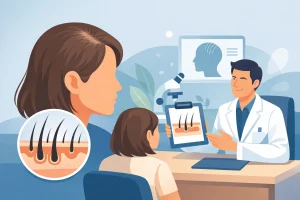
Hair thinning can have many causes. Learn how a specialist scalp assessment identifies triggers and builds a clear plan for healthier, fuller-looking hair.
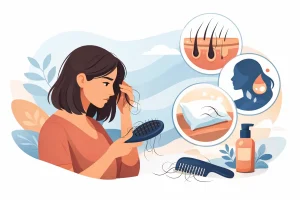
What causes female hair loss? Learn about hormones, stress, nutrition, scalp health and medical factors, plus when personalised expert care can help you.
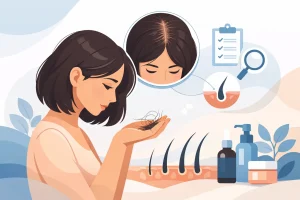
Female hair loss treatment starts with a specialist assessment, scalp health and a personal plan for stronger, fuller-looking hair and renewed confidence.