
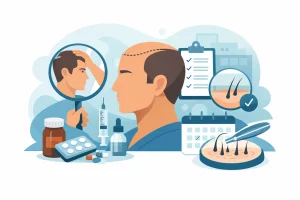
How to Prepare for Hair Transplant Surgery
Learn how to prepare for hair transplant surgery with clear advice on assessments, medicines, scalp care, recovery planning and realistic expectations.
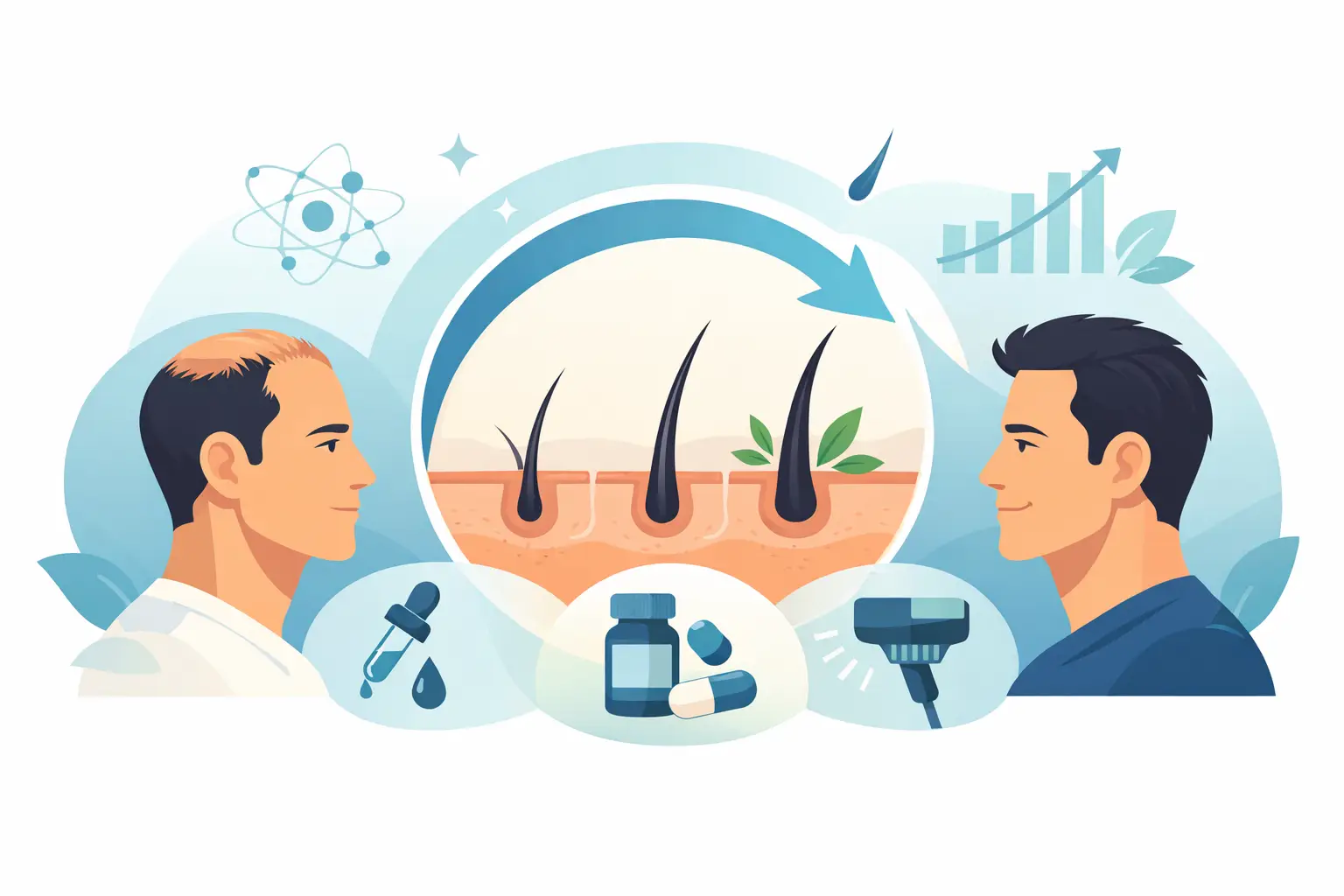
If you are searching for hair regrowth, you are probably not looking for vague advice. You want to know whether your hair can come back, how long it may take, and which treatments are worth your time, money, and trust.
That is a very reasonable question, especially for women who notice widening part lines, excessive shedding in the shower, thinning around the temples, or a ponytail that feels smaller than it used to. Hair loss is not only cosmetic. It can affect confidence, daily routines, and the way you feel in professional and social settings. The good news is that hair regrowth is often possible, but it depends on one key factor: finding the real cause first.
One of the biggest mistakes women make is treating all hair loss as if it were the same. In reality, different conditions need different solutions. A person with stress-related shedding will not respond in the same way as someone with hormonal thinning, nutritional deficiencies, inflammatory scalp issues, or traction damage from hairstyles.
This is why honest diagnosis matters so much. If the hair follicle is still active, regrowth may be achievable with the right plan. If the follicle has been damaged for a long time or replaced by scarring, the options become more limited. That is not meant to discourage you. It is meant to save you from wasting months on generic products that do not match the problem.
For many women, the first step is a proper scalp and hair assessment. This helps identify patterns of shedding, miniaturization, scalp inflammation, breakage, or density loss. It also helps separate true hair loss from hair shaft damage, which can look similar in the mirror but requires a completely different approach.
Female hair loss is often more complex than people expect. Sometimes there is a single trigger. More often, there are overlapping factors.
Hormonal shifts are common. These may happen after pregnancy, during perimenopause, with thyroid imbalance, or alongside conditions such as PCOS. Nutritional issues can also contribute, especially when iron, vitamin D, protein intake, or other key nutrients are low. In other cases, the scalp itself is part of the issue. Excess oil, inflammation, buildup, sensitivity, or chronic dandruff can create an unhealthy environment for growth.
Genetics matter too. Female pattern hair loss often develops gradually and can be mistaken for normal aging at first. It usually shows up as diffuse thinning through the crown or widening along the part rather than obvious bald patches. The earlier this pattern is identified, the better the chances of slowing progression and supporting visible improvement.
Then there is stress, which can trigger a condition called telogen effluvium. This leads to increased shedding a few months after physical illness, emotional strain, surgery, rapid dieting, or major life changes. It can feel alarming because large amounts of hair come out quickly, but this type of shedding is often reversible when the trigger is addressed.
The most effective hair regrowth plans are rarely based on one product alone. They usually combine medical insight, scalp support, and consistency over time.
Topical treatment can help in the right case, particularly when follicles are still producing finer, weaker hairs and need support to remain active. Some women respond well to clinically supported ingredients, while others need a broader plan because the root issue is internal, hormonal, or inflammatory.
Scalp health is another factor that gets overlooked. A congested, irritated, or inflamed scalp is not an ideal environment for healthy growth. Professional scalp therapy can improve scalp condition, reduce buildup, and support a healthier growth cycle. This does not replace medical treatment when that is needed, but it can strengthen results and improve the condition of both the scalp and existing hair.
PRP therapy is one option many women ask about, and for good reason. Platelet-rich plasma uses your own blood components to deliver growth factors to the scalp. In carefully selected cases, it may help improve hair density, reduce shedding, and support stronger strands over time. PRP is not a miracle treatment, and it does not work equally well for everyone, but for women in the earlier stages of thinning, it can be a valuable part of a personalized program.
Lifestyle support matters too. Sleep, nutrition, stress management, and hair care habits all influence outcomes. Tight styling, harsh heat, frequent chemical processing, and delayed treatment can make a recoverable problem harder to reverse.
This is where transparency matters. Not every type of hair loss can be fully reversed.
If follicles are dormant but still alive, regrowth may happen with the right intervention. If the condition is recent, the chances are often better. If shedding was triggered by stress, postpartum changes, illness, or deficiency, hair may gradually return once the body recovers and targeted support is in place.
If you have long-standing female pattern thinning, the goal may be a combination of regrowth, preservation, and improved hair quality. That is still meaningful progress. Many women are relieved to learn that treatment does not have to mean unrealistic promises. It can mean thicker-looking density, less shedding, a healthier scalp, and more confidence in how their hair looks and feels.
In scarring forms of alopecia, time becomes even more important. These conditions can permanently damage follicles if not addressed early. In those cases, stopping progression may be the first priority before discussing regrowth.
One of the hardest parts of treatment is patience. Hair grows slowly, and the cycle of shedding and regrowth does not change overnight.
Most women need several months before they can judge whether a treatment is helping. Early signs are often subtle. You may notice less shedding first, then small new hairs, then gradual improvement in thickness. This is why consistency matters so much. Starting strong and stopping after a few weeks usually leads to disappointment, even when the treatment itself was appropriate.
It is also common for internet advice to make timelines sound much faster than they really are. That can create unnecessary panic when progress feels slow. In reality, meaningful change often requires a structured plan and regular reassessment.
Women often arrive after trying oils, supplements, trending serums, and social media advice that promised easy results. The frustration is understandable. When hair is thinning, it is tempting to try everything.
The problem is not that every non-prescription option is useless. Some supportive products can help. The problem is that they are often used without understanding the cause of hair loss, the health of the scalp, or whether the follicle is still capable of stronger growth.
A treatment can be good in general and still be wrong for you. That is why individualized care matters. At Dubai Hair Doctor, this is the difference we focus on – not selling a one-size-fits-all fix, but building a plan around the woman in front of us, her scalp condition, her pattern of loss, and her long-term goals.
If you have been shedding for more than a few weeks, noticing visible scalp through the hair, seeing a widening part, or feeling that your hair texture has changed, it is worth getting assessed. The same is true if you have itching, flaking, scalp pain, or sudden patches of loss.
Early action can make a meaningful difference. It may help preserve follicles before thinning progresses further, and it can prevent you from spending months on guesswork. A proper consultation should give you clarity on what type of hair loss you may be experiencing, what realistic improvement looks like, and which treatments are worth considering for your case.
Hair regrowth is not about chasing false hope. It is about understanding what your hair needs, responding early, and choosing care that is grounded in science as well as compassion. When treatment is tailored, expectations are honest, and progress is monitored properly, results can be both visible and deeply reassuring.
If your hair has been changing and you do not feel like yourself anymore, that feeling deserves to be taken seriously. The right support can do more than improve your hair. It can help you feel confident facing the mirror again.
Learn how to prepare for hair transplant surgery with clear advice on assessments, medicines, scalp care, recovery planning and realistic expectations.
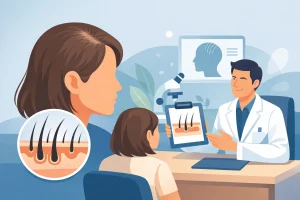
Hair thinning can have many causes. Learn how a specialist scalp assessment identifies triggers and builds a clear plan for healthier, fuller-looking hair.
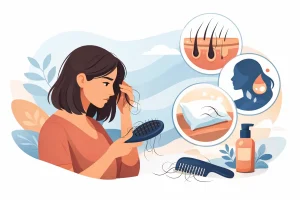
What causes female hair loss? Learn about hormones, stress, nutrition, scalp health and medical factors, plus when personalised expert care can help you.
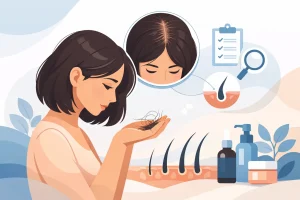
Female hair loss treatment starts with a specialist assessment, scalp health and a personal plan for stronger, fuller-looking hair and renewed confidence.