
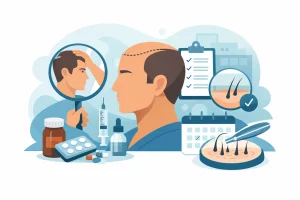
How to Prepare for Hair Transplant Surgery
Learn how to prepare for hair transplant surgery with clear advice on assessments, medicines, scalp care, recovery planning and realistic expectations.
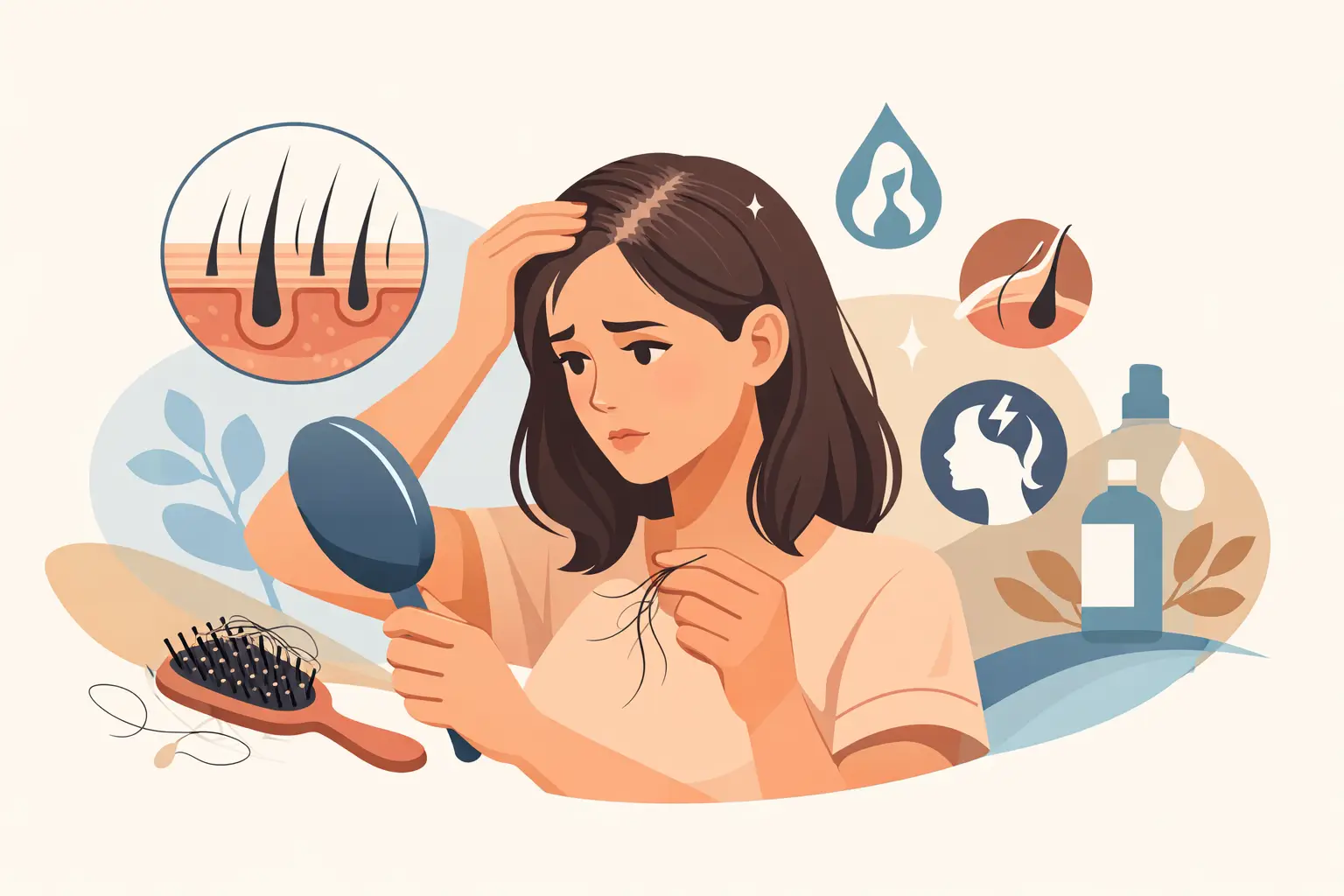
Hair that suddenly looks flatter at the crown, a part line that seems wider than it used to, more strands on the brush than usual – these changes can feel subtle at first, then impossible to ignore. If you are asking what causes female hair thinning, the most honest answer is that it is rarely just one thing. In many women, thinning reflects a mix of biology, lifestyle, scalp health, and timing.
That is exactly why guessing can delay results. Hair thinning is not a cosmetic issue alone. It is often a signal that the hair growth cycle has been disrupted, the scalp environment is under strain, or an internal imbalance is affecting how follicles function over time.
The most common causes of female hair thinning fall into a few broad categories: hormonal shifts, genetics, nutritional deficiencies, stress, medical conditions, scalp disorders, and hair care damage. What makes female hair loss more complex is that these causes can overlap. A woman may have a genetic tendency toward thinning, then notice it accelerate after childbirth, a period of high stress, or a change in iron levels.
Healthy hair growth depends on follicles spending enough time in the active growth phase, known as anagen. When that cycle is shortened or more hairs move into shedding at the same time, density starts to drop. Sometimes the change is temporary. Sometimes it is progressive and needs ongoing management.
Hormones have a direct effect on the hair cycle, which is why many women first notice thinning during times of transition. Pregnancy, postpartum recovery, perimenopause, and menopause are all common turning points.
After pregnancy, for example, many women experience noticeable shedding a few months after delivery. This can be alarming, but in many cases it is a temporary shift caused by changing estrogen levels. Menopause can be different. As estrogen declines and androgen influence becomes more noticeable, hair may grow finer, lose volume, and thin gradually around the top of the scalp.
Polycystic ovary syndrome, or PCOS, is another common hormonal cause. Women with PCOS may notice scalp thinning along with irregular periods, acne, or increased facial hair growth. In these cases, hair loss is part of a broader hormonal pattern, not an isolated problem.
Female pattern hair loss is one of the most frequent answers to the question, what causes female hair thinning. This type of hair loss is influenced by genetics and usually develops gradually rather than all at once.
Unlike the receding hairline often seen in men, women more commonly experience diffuse thinning through the part line and crown. The ponytail may feel smaller. The scalp may become more visible under bright light. Because this process is slow, many women do not seek help until a significant amount of density has already been lost.
Genetic thinning does not always mean severe hair loss is inevitable. Early diagnosis matters because there is a difference between trying to regrow long-inactive follicles and working to strengthen weakened but still active ones.
High stress does not just affect sleep and mood. It can also disrupt the normal hair cycle. A condition called telogen effluvium happens when physical or emotional stress pushes a larger number of hairs into the shedding phase.
This can happen after illness, rapid weight loss, surgery, severe emotional strain, or even a demanding period of burnout. The frustrating part is timing. Shedding often begins weeks or months after the trigger, so women may not connect the two.
Stress-related shedding can improve once the body stabilizes, but not always as quickly as expected. If there is an underlying issue already present, such as low iron or hereditary thinning, stress may reveal it rather than act alone.
Hair is not essential tissue, which means the body will prioritize other functions first when nutrients are low. That is why nutritional deficiencies can show up in the hair before they are obvious elsewhere.
Low iron is one of the most common concerns in women with thinning hair, especially those with heavy periods, restrictive diets, or a history of anemia. Low vitamin D, low B12, inadequate zinc, and insufficient protein intake can also contribute. Crash dieting and inconsistent eating patterns are especially hard on the hair cycle.
This is one reason generic supplements do not always solve the problem. Taking the wrong nutrient, or taking one without confirming a deficiency, may waste time while the real cause continues untreated.
Sometimes the issue is not the hair shaft itself but the scalp environment. Inflammation, excess oil, dandruff, psoriasis, seborrheic dermatitis, and buildup around follicles can all affect healthy growth.
A scalp that feels itchy, tender, flaky, or unusually greasy should not be ignored. Chronic inflammation can compromise follicle function over time. In some women, scalp discomfort appears before visible thinning. In others, the hair begins to miniaturize while the scalp issue goes untreated in the background.
This is where a proper scalp assessment becomes valuable. A woman may believe she has simple shedding when the real issue is a scalp condition that needs targeted treatment.
There are several health conditions linked to female hair thinning. Thyroid disorders are a common example. Both underactive and overactive thyroid function can affect the hair cycle and texture. Autoimmune conditions may also trigger hair loss, sometimes in patchy areas and sometimes more diffusely.
Certain medications can contribute as well. Depending on the individual, hair thinning may be associated with some blood pressure medications, anticoagulants, antidepressants, acne treatments, or hormonal contraceptive changes. This does not mean every woman should stop a prescribed medication, but it does mean the timing deserves careful review.
When hair loss follows a medical event or a medication adjustment, the pattern often gives clues. The key is identifying whether the follicles are temporarily stressed or whether a longer-term treatment plan is needed.
Not every case starts from within. Repeated tension from tight ponytails, braids, extensions, or heavy styling can lead to traction-related hair loss, especially around the hairline and temples. Frequent heat styling, chemical processing, and harsh bleaching can also weaken the shaft, making hair look thinner even when the follicle count has not changed dramatically.
There is an important distinction here. Breakage and true follicle miniaturization are not the same, but they can happen together. A woman may already have early thinning and then make it look worse through styling damage.
Many women try to solve thinning with oils, over-the-counter serums, or social media advice before getting a real assessment. That is understandable. Hair loss feels personal, and many want a private, simple fix. The problem is that two women with similar-looking thinning may need very different treatment plans.
One may need hormone and nutrient testing. Another may need scalp therapy. Another may be dealing with early female pattern hair loss and benefit most from a long-term maintenance strategy. Without identifying the cause, even expensive products can miss the mark.
This is where specialist care becomes useful. At Dubai Hair Doctor, female hair loss assessments are designed to look beyond surface symptoms and identify the pattern, timeline, and contributing factors behind thinning. That kind of tailored approach matters because the right treatment depends on the right diagnosis.
If your part line is widening, your scalp is becoming more visible, your shedding has increased for more than a few weeks, or your hair texture has clearly changed, it is worth getting evaluated. The same applies if you have scalp itching, flakes, tenderness, or a family history of thinning.
The earlier hair thinning is assessed, the more options are typically available. Some causes are temporary and reversible. Others can be managed effectively but respond best before follicle activity declines too far. Waiting for it to become severe often limits what can be achieved.
A good consultation should not rush you toward one standard solution. It should consider your hormones, medical history, scalp health, lifestyle, and goals, then build a plan around the cause rather than the symptom.
Hair thinning can affect confidence in very real ways, but it is not something you have to keep guessing about. The most helpful next step is not another trend or quick fix. It is getting clear, expert insight into why your hair is changing and what can realistically help from here.
Learn how to prepare for hair transplant surgery with clear advice on assessments, medicines, scalp care, recovery planning and realistic expectations.
Hair thinning can have many causes. Learn how a specialist scalp assessment identifies triggers and builds a clear plan for healthier, fuller-looking hair.
What causes female hair loss? Learn about hormones, stress, nutrition, scalp health and medical factors, plus when personalised expert care can help you.
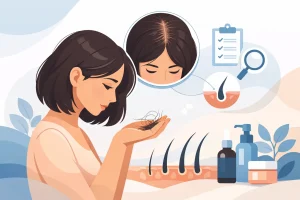
Female hair loss treatment starts with a specialist assessment, scalp health and a personal plan for stronger, fuller-looking hair and renewed confidence.