
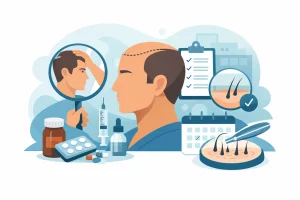
How to Prepare for Hair Transplant Surgery
Learn how to prepare for hair transplant surgery with clear advice on assessments, medicines, scalp care, recovery planning and realistic expectations.
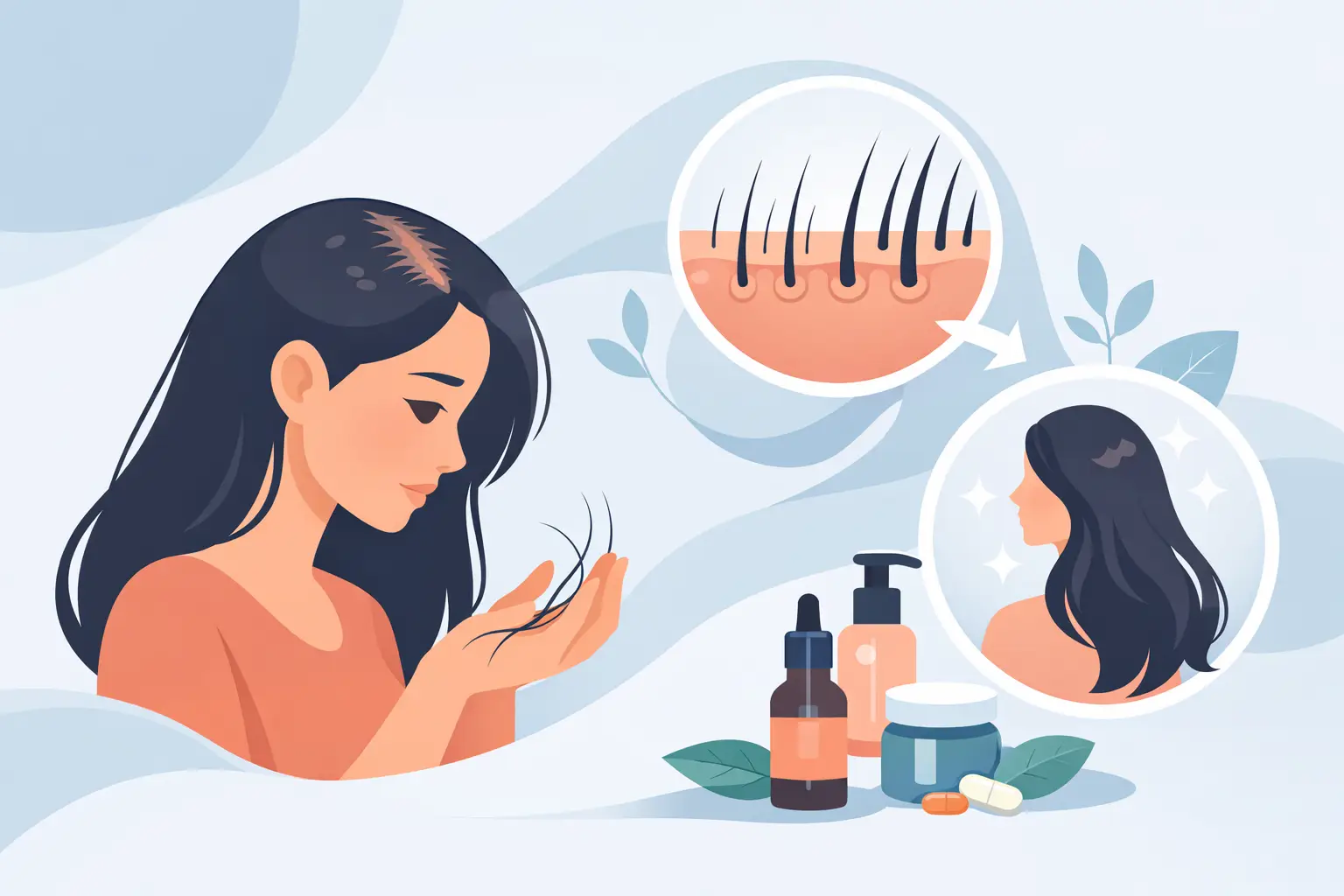
A widening part, more hair in the shower drain, or a ponytail that suddenly feels thinner can be easy to dismiss at first. For many women, though, these changes build slowly and quietly until confidence starts to shift with them. The right hair thinning treatment for women is not about chasing a trendy product or copying someone else’s routine. It starts with understanding why the hair is thinning in the first place.
Female hair thinning is rarely as simple as one cause and one fix. It can be linked to genetics, hormonal changes, stress, iron deficiency, thyroid imbalance, postpartum shifts, scalp inflammation, tight styling, or damage from repeated chemical processing. Sometimes it is one factor. Often, it is several working together.
That is why generic solutions so often disappoint. A supplement may help one woman with nutritional depletion and do very little for another whose main issue is androgenetic hair loss or chronic scalp irritation. Even high-quality products can fall short when they are used without a diagnosis.
For women especially, the emotional side also matters. Hair loss does not feel cosmetic when it affects how you see yourself at work, at social events, or in everyday life. A specialist approach should treat both the visible problem and the confidence it impacts.
One of the most common patterns is female pattern hair loss, also called androgenetic alopecia. This usually appears as diffuse thinning through the top or crown rather than a receding hairline. It may become more noticeable during perimenopause, menopause, or after years of gradual miniaturization of the follicles.
Hormonal disruption can also follow pregnancy, stopping birth control, PCOS, or significant stress on the body. In these cases, shedding may be sudden and dramatic, which can feel alarming, but the underlying mechanism is different from long-term genetic thinning.
Healthy hair depends on a healthy scalp. Excess oil, product buildup, seborrheic dermatitis, itching, sensitivity, and inflammation can interfere with the environment hair needs to grow well. This is one reason scalp-focused therapy can be an important part of treatment rather than an optional extra.
Low ferritin, vitamin deficiencies, thyroid dysfunction, and periods of high physical or emotional stress can all contribute to thinning. Crash dieting and rapid weight loss are common triggers too. In these situations, treating the hair without addressing the internal cause usually leads to limited results.
The most effective treatment plan is built after a careful assessment, not before it. That should include the pattern of hair loss, the timeline, scalp condition, medical history, lifestyle factors, and whether shedding or breakage is the bigger issue.
This matters because shedding and thinning are not always the same thing. Shedding means more hairs are falling out than usual. Thinning can mean the follicles are producing finer, weaker strands over time. You can have one without the other, or both at once. The treatment strategy changes depending on which process is happening.
A specialist consultation also helps set realistic expectations. Some treatments are designed to reduce active shedding quickly. Others work more slowly to support density, improve strand quality, or preserve existing follicles. Honest guidance matters here because hair growth cycles are slow, and lasting improvement usually takes consistency.
If the scalp is inflamed, congested, or imbalanced, treatment often begins there. Professional scalp therapy can help improve the condition of the scalp, reduce irritation, and create a better environment for healthier growth. This is especially relevant for women who have persistent itching, flaking, tenderness, or heavy buildup.
On its own, scalp care may not reverse advanced genetic thinning. But as part of a wider treatment plan, it can make a meaningful difference in hair quality and treatment response.
PRP, or Platelet-Rich Plasma therapy, is one of the most widely discussed in-clinic options for female hair thinning. It uses a concentration of the patient’s own platelets, prepared from a blood sample, and introduced into targeted areas of the scalp. The goal is to support follicle activity and improve the growth environment using natural growth factors.
PRP can be a strong option for women in the earlier to moderate stages of thinning, especially when follicles are still active but underperforming. It is less effective in areas where follicles are no longer viable. That distinction is important because PRP is not a miracle treatment, and it should be recommended based on scalp and follicle condition rather than popularity.
For many women, the best results come from combining treatments rather than relying on one. A prevention-focused plan may include scalp therapy, in-clinic procedures, home-care products, nutritional support, and regular reviews to track progress. This approach is often more effective because it responds to hair thinning as an ongoing process, not a one-time event.
A structured program is also useful for women who want to protect density during hormonal shifts, periods of stress, or early signs of pattern thinning. Preserving hair before loss becomes advanced is usually easier than trying to rebuild density later.
At-home products can support treatment, but they should match the diagnosis. A woman with an irritated scalp needs a different routine from someone with breakage from heat styling or diffuse thinning linked to menopause. The quality of the products matters, but so does using the right formulation for the actual issue.
This is where personalization matters most. Too many women spend months rotating shampoos, serums, and supplements without a clear reason for each one. A better plan uses home care to reinforce professional treatment, not replace proper evaluation.
Visible improvement takes patience. In most cases, the first goal is to slow or stop excessive shedding. After that, treatment focuses on improving hair caliber, scalp health, and density where follicles are still capable of producing stronger strands.
Some women notice early changes in shedding or scalp comfort within weeks. Density changes take longer, often several months, because hair grows in cycles. If a clinic promises immediate dramatic regrowth for every case, that should raise questions.
There are also trade-offs. A woman with very early thinning may respond well to conservative treatment and maintenance. Someone with advanced follicle miniaturization may need a more intensive strategy and, in some cases, support around hair transplant planning. Good care is not about overpromising. It is about choosing the best path for the stage and cause of loss.
If your part is widening, your scalp is becoming more visible, your shedding has increased for more than a few weeks, or your hair texture has changed without explanation, it is worth getting assessed. The earlier female hair thinning is evaluated, the more options are usually available.
This is particularly true if over-the-counter products have not helped, if the problem keeps returning, or if you are dealing with scalp discomfort alongside thinning. Many women wait until the loss feels severe before seeking support, but earlier intervention often gives better and more reassuring outcomes.
For women who want expert care that is personalized, discreet, and grounded in trichology, Dubai Hair Doctor offers a science-backed approach focused on diagnosis, tailored treatment planning, and visible long-term improvement.
The right clinic should make you feel informed, not pressured. You should understand what is causing the thinning, what treatment is being recommended, how progress will be measured, and what kind of timeline is realistic. That level of transparency is not a bonus. It is part of quality care.
Hair thinning can feel deeply personal, but it is also treatable in many cases when approached properly. The most effective care respects both sides of the experience – the medical reason behind the change and the confidence you want to regain. A good treatment plan does more than target hair loss. It gives you a clearer path forward, with support that makes sense for your hair, your scalp, and your life.
Learn how to prepare for hair transplant surgery with clear advice on assessments, medicines, scalp care, recovery planning and realistic expectations.
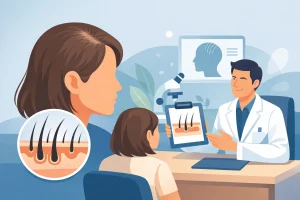
Hair thinning can have many causes. Learn how a specialist scalp assessment identifies triggers and builds a clear plan for healthier, fuller-looking hair.
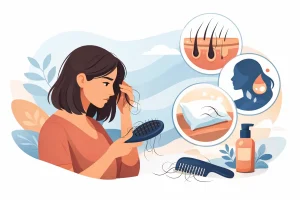
What causes female hair loss? Learn about hormones, stress, nutrition, scalp health and medical factors, plus when personalised expert care can help you.
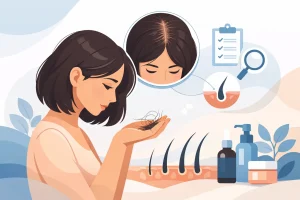
Female hair loss treatment starts with a specialist assessment, scalp health and a personal plan for stronger, fuller-looking hair and renewed confidence.