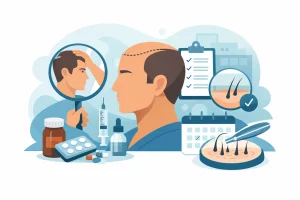
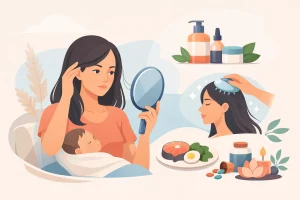
Hair thinning can have many causes. Learn how a specialist scalp assessment identifies triggers and builds a clear plan for healthier, fuller-looking hair.
Hair thinning rarely begins with a dramatic change. More often, it shows up in the small moments: a wider parting in the mirror, more hair around the shower drain, a ponytail that no longer feels as full, or a scalp becoming visible in bright Dubai sunlight. These changes can feel deeply personal, particularly when you have already tried shampoos, supplements or cosmetic cover-ups without seeing a meaningful difference.
The reassuring news is that thinning hair is not a diagnosis in itself. It is a sign that deserves proper investigation. With the right assessment, many people can understand what is affecting their hair, support scalp health and take practical steps to protect density over time.
What hair thinning can look like
Hair thinning does not always mean obvious bald patches. For many women, it appears as gradual diffuse shedding across the scalp, reduced volume through the lengths, or a parting that slowly becomes broader. Men may notice recession around the temples, reduced density at the crown, or a combination of both.
The pattern matters. Sudden shedding after illness or a stressful period is approached differently from slow, progressive changes that have developed over several years. Equally, breakage can make hair appear thinner even when the follicles are producing a normal number of hairs. A specialist consultation helps separate these concerns rather than treating every change as the same problem.
Why hair thinning happens
Healthy hair growth depends on a cycle. Each follicle moves through a growing phase, a transition phase and a resting phase before the hair sheds. When that cycle is disrupted, more follicles may rest at once, growth may become shorter, or new hairs may grow back finer than before.
There is rarely one universal cause. Genetics can play a significant role, especially in female- and male-pattern hair loss. Hormonal shifts are also common contributors, including those related to pregnancy, menopause, polycystic ovary syndrome or thyroid changes. Low iron stores, nutritional deficiencies, certain medications, restrictive dieting, rapid weight loss, prolonged stress and recovery from illness can all influence the growth cycle.
Scalp health matters too. Persistent itching, flaking, inflammation, excess oil or tenderness can interfere with a healthy environment for growing hair. Tight hairstyles, frequent heat styling, bleaching and chemical treatments may cause breakage or traction-related loss, particularly around the hairline. The goal is not to blame your routine, but to identify the factors that are relevant to you.
Shedding and thinning are not quite the same
It is normal to shed some hairs every day. Shedding becomes more concerning when the amount feels noticeably greater than usual, continues for several months, or is accompanied by visible loss of volume. Telogen effluvium is a common form of increased shedding that can occur after physical or emotional stress. It may improve once the trigger is addressed, although recovery can take time.
Thinning, on the other hand, often describes a gradual reduction in density or hair shaft diameter. In pattern hair loss, follicles can progressively produce finer, shorter hairs. This is why early assessment is valuable: supporting vulnerable follicles is generally more effective than waiting until density has declined substantially.
The value of a proper scalp and hair assessment
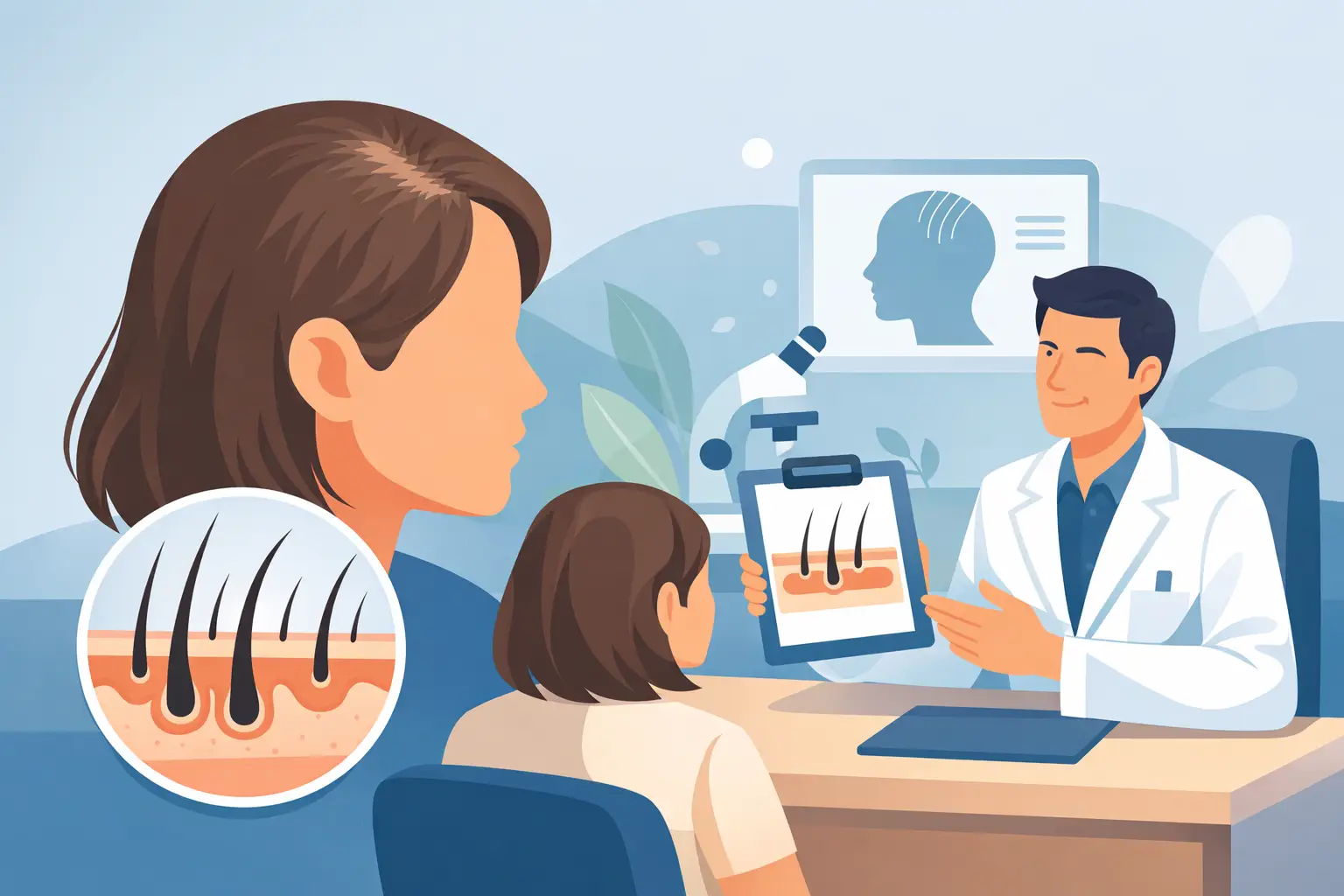
A personalised assessment should look beyond the hair you can see. It begins with your history: when the changes started, whether shedding is sudden or gradual, family history, recent illness, stress, diet, menstrual or hormonal changes, medication and haircare habits.
The scalp should then be examined closely for signs of inflammation, scaling, sensitivity and follicle activity. In some cases, it may be appropriate to discuss blood tests with your GP or relevant medical specialist, particularly where symptoms suggest nutritional, thyroid or hormonal factors. This is not about ordering unnecessary tests. It is about avoiding assumptions.
At Dubai Hair Doctor, the focus is on building a plan around the cause, pattern and condition of your scalp. That may mean addressing shedding triggers first, improving scalp health, recommending a targeted home-care programme, or discussing clinically informed options such as PRP therapy where appropriate. Treatment should be tailored, not sold as a one-size-fits-all package.
Treatments should match the cause
The best approach depends on what is driving the change. A person experiencing temporary shedding after a period of illness may need reassurance, nutritional support where indicated and a structured plan to monitor regrowth. Someone with progressive pattern thinning may need longer-term management to help maintain density and slow further miniaturisation.
Topical treatments can be helpful for some people, but they require consistency and professional guidance. They are not suitable for every scalp condition or stage of hair loss. Nutritional support can be valuable where a genuine deficiency exists, but taking high-dose supplements without assessment is not automatically beneficial and can occasionally create other imbalances.
PRP therapy uses concentrated platelets from your own blood and may be considered as part of a wider hair restoration programme. It is not a miracle treatment, and results vary according to the underlying cause, degree of follicle miniaturisation and commitment to the treatment schedule. For suitable candidates, it can support scalp health and hair quality as part of a carefully planned approach.
For people considering a hair transplant, specialist pre- and post-operative care is equally important. The donor area, scalp condition, ongoing hair loss and long-term maintenance all need attention. A transplant can redistribute existing follicles, but it does not stop future thinning in untreated areas.
What you can do while you wait for an appointment
It is understandable to want an immediate solution, but aggressive changes can make an already sensitive scalp more difficult to manage. Keep your routine gentle, avoid very tight styles and reduce unnecessary heat or chemical processing where possible. If you have noticed a clear increase in shedding, take simple photographs of your parting and hairline in the same lighting each month. This can provide a more accurate picture than checking the mirror every day.
Try not to judge progress week by week. Hair grows slowly, and the cycle takes time to respond. Consistency is usually more valuable than switching between products every few days. If a product causes burning, persistent itching or worsening flaking, stop using it and seek professional advice.
When hair thinning needs prompt attention
Arrange a specialist consultation sooner rather than later if hair loss is sudden, patchy, painful or accompanied by scalp redness, scaling or tenderness. It is also sensible to seek support if you are losing eyebrow or body hair, have changes in energy levels or menstrual cycle, or notice thinning alongside unexplained weight changes. These details can help identify whether there is a broader health issue that needs medical review.
You do not need to wait until the problem feels severe to ask for help. Many clients seek advice simply because their hair no longer feels like itself. That is a valid reason to investigate. A clear diagnosis can replace uncertainty with a plan that feels manageable and realistic.
Hair recovery is rarely about finding one miracle bottle. It is about understanding your individual pattern, caring for the scalp and giving the right treatment enough time to work. If your confidence has been affected by hair thinning, an expert assessment can be the first calm, practical step towards feeling more in control again.