
How to Prepare for Hair Transplant Surgery
Learn how to prepare for hair transplant surgery with clear advice on assessments, medicines, scalp care, recovery planning and realistic expectations.
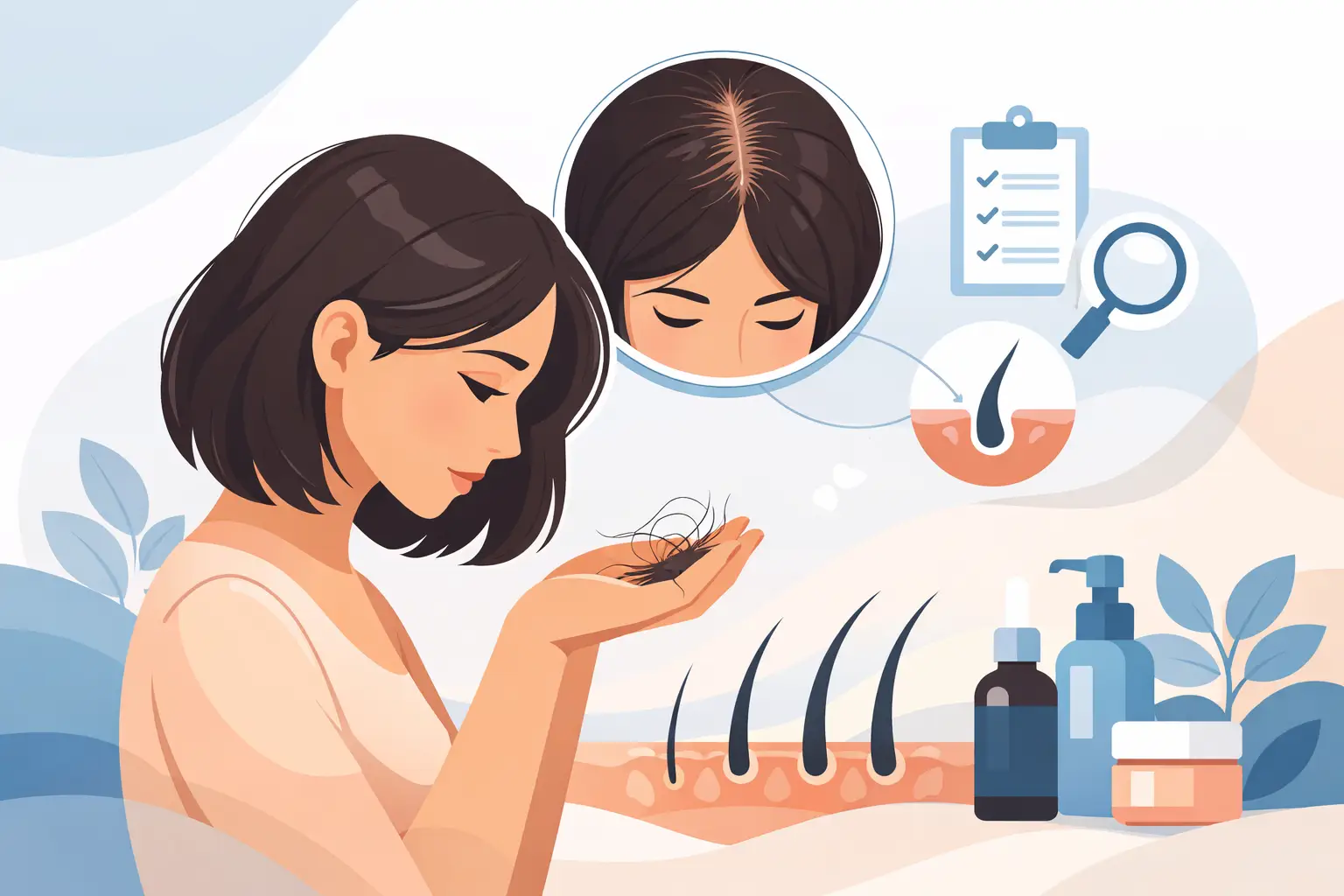
Seeing more hair in the shower, on your pillow or caught in your brush can feel deeply personal. Female hair loss treatment should not begin with a generic shampoo or a promise of instant regrowth. It should begin with understanding what has changed in your body, your scalp and your hair cycle – then creating a plan that gives you clear, realistic next steps.
For many women, thinning hair affects far more than appearance. It can change how freely you wear your hair, how you feel in photographs and how confident you feel at work or socially. The good news is that many forms of hair loss can be managed effectively when they are assessed early and treated with the right combination of clinical care, scalp support and long-term consistency.
Hair loss in women is rarely a one-size-fits-all concern. Some women notice a widening parting and gradual loss of volume over several years. Others experience sudden shedding after illness, stress, rapid weight loss, childbirth, surgery or a significant change in medication. Scalp inflammation, nutritional deficiencies, hormonal shifts and certain styling practices may also contribute.
Female-pattern hair loss is one of the most common causes of thinning. It often presents as diffuse thinning through the top of the scalp rather than a receding hairline. Genetics can play a role, but this does not mean that nothing can be done. The aim is usually to protect existing follicles, support healthier growth cycles and improve visible density over time.
Telogen effluvium is another common pattern. This is a temporary increase in shedding that may occur several months after a physical or emotional trigger. It can resolve once the trigger has passed, although recovery may be slower if the scalp is unhealthy or an underlying issue remains unaddressed.
The distinction matters. A treatment designed for gradual pattern thinning may not be the right response to reactive shedding, while a persistently irritated or flaky scalp may need attention before hair growth can be properly supported.
A meaningful consultation looks beyond the amount of hair that has fallen out this week. It considers your hair history, family history, health, hormones, diet, stress levels, recent life events, medications and hair-care routine. A close scalp assessment can identify concerns such as inflammation, excess oil, sensitivity, follicle blockage or signs of scalp conditions that may be affecting growth.
This is also the point at which honest guidance matters most. Not every woman needs the same treatment, and not every treatment is suitable for every cause of hair loss. A specialist should explain what can reasonably improve, what needs monitoring and how long visible change may take.
Hair growth is slow by nature. Most effective plans require several months of consistent care before shedding settles or new growth becomes noticeable. Early changes may include a calmer scalp, less breakage or reduced daily shedding. Improved density usually takes longer, particularly where follicles have been weakened over time.
Sudden bald patches, scalp pain, burning, marked redness, scarring, pus or rapid hair loss deserve prompt medical assessment. These signs can indicate conditions that require medical diagnosis and treatment beyond cosmetic hair care. It is equally sensible to speak with your GP or relevant medical specialist if hair loss is accompanied by fatigue, changes in weight, irregular periods or other symptoms that may point to an underlying health issue.
The most appropriate approach depends on your diagnosis, scalp condition, lifestyle and treatment preferences. A high-quality plan often combines more than one element, because protecting hair density and improving scalp health are closely connected.
A healthy scalp creates a better environment for hair growth. Where there is dandruff, sensitivity, inflammation, product build-up or imbalance, targeted scalp care can help restore comfort and reduce factors that may worsen shedding or breakage.
This is not about using the most expensive products on the shelf. It is about using the right products for your scalp and hair type, at the right frequency. Over-cleansing, harsh chemical treatments and heavy styling products can be unhelpful for some clients, while others may benefit from a more structured cleansing and treatment routine.
PRP therapy uses a concentrated preparation from your own blood, applied through carefully placed injections into the scalp. Platelets contain growth factors that may support follicle activity and scalp healing. It is commonly considered for female-pattern thinning and certain cases of diffuse hair loss, particularly when follicles are still active.
PRP is not a miracle cure and results vary. It is usually delivered as a course of treatments, followed by maintenance where appropriate. It may work best as part of a broader programme rather than as a stand-alone answer. A consultation should cover suitability, expected sensation, aftercare and the level of commitment involved.
Depending on your assessment and medical history, a clinician may discuss topical treatments that support the hair growth cycle, or recommend that you seek a medical opinion on hormonal and prescription options. These treatments can be valuable for some women, but they require appropriate screening, regular use and clear advice around possible side effects.
Pregnancy, breastfeeding, plans to conceive, existing health conditions and medications all matter when considering medical treatment. This is why informed, individual guidance is safer than following advice from social media or copying another person’s routine.
Hair is not a non-essential detail to the body. When the body is under strain, hair growth can be affected. Restrictive diets, low protein intake, low iron stores and prolonged stress may all contribute to shedding in the right circumstances.
That does not mean every case of hair loss is caused by stress or that supplements are the answer for everyone. Taking high-dose supplements without evidence of a deficiency can be unhelpful. Where lifestyle factors are relevant, the most useful support is practical: nourishing meals, enough protein, stable routines, gentle hair handling and medical investigation when symptoms suggest a deficiency or hormonal concern.
When hair feels thinner, it is tempting to try everything at once. This often makes it harder to identify what is helping and may irritate an already vulnerable scalp. Avoid frequent changes between products, aggressive scalp scrubbing and treatments that promise dramatic regrowth in days.
Try to reduce repeated tension from very tight ponytails, braids, extensions or heavy styling where possible. Heat and colouring do not necessarily cause follicle-level hair loss, but they can increase breakage and make thinning appear more pronounced. Gentle handling can protect the hair you have while treatment addresses the underlying cause.
Taking weekly photographs in the same lighting, with the same parting, is more useful than checking the mirror several times a day. Progress is gradual, and consistent images provide a clearer picture of whether shedding, part width and overall coverage are changing.
Hair loss treatment is a partnership, not a single appointment. Look for a practitioner who takes your concerns seriously, explains the likely cause in plain language and does not pressure you into a treatment you do not understand. You should leave knowing what the plan involves, when progress will be reviewed and what alternatives are available.
At Dubai Hair Doctor, the focus is on personalised trichology-led care that considers scalp health, hair history and your individual goals. Whether you are noticing early thinning, recovering from a period of heavy shedding or looking for structured support alongside PRP therapy, the right plan should feel considered rather than rushed.
You do not have to wait until thinning feels impossible to hide. A thoughtful assessment can replace uncertainty with a clear course of action – and give your hair, scalp and confidence the patient support they deserve.
Learn how to prepare for hair transplant surgery with clear advice on assessments, medicines, scalp care, recovery planning and realistic expectations.
Hair thinning can have many causes. Learn how a specialist scalp assessment identifies triggers and builds a clear plan for healthier, fuller-looking hair.
What causes female hair loss? Learn about hormones, stress, nutrition, scalp health and medical factors, plus when personalised expert care can help you.
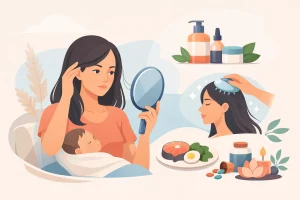
Explore postpartum hair loss solutions that address shedding, scalp health and confidence, with personalised support for healthier regrowth after birth.