
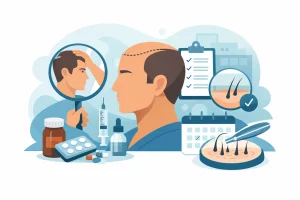
How to Prepare for Hair Transplant Surgery
Learn how to prepare for hair transplant surgery with clear advice on assessments, medicines, scalp care, recovery planning and realistic expectations.
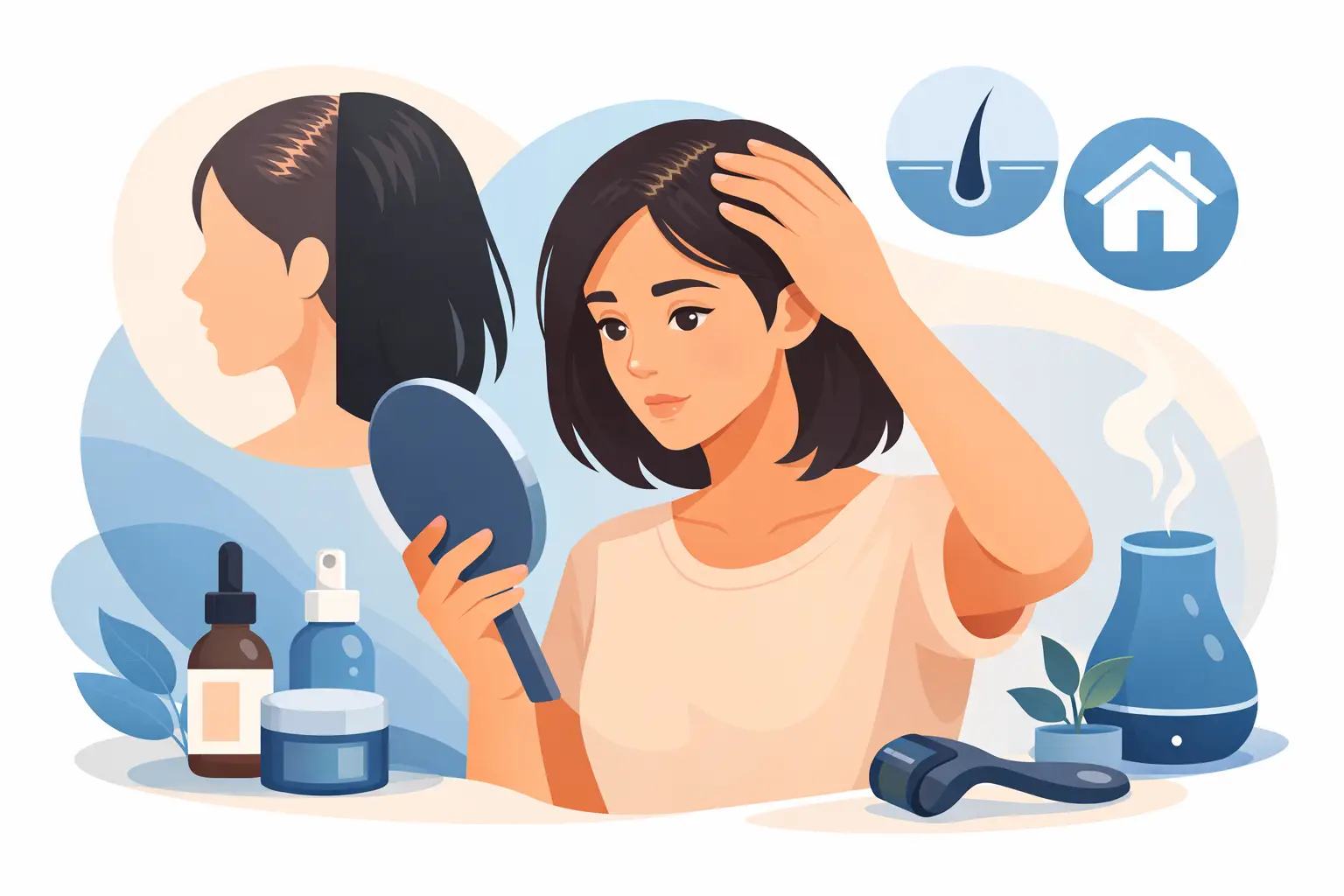
You notice it first in the shower drain, then on your brush, then in the way your parting seems a little wider under bright light. For many women, female hair loss treatment at home starts with a quiet search for answers before they feel ready to speak to anyone. That first step matters, but the most useful home treatment is not the trendiest oil or the most expensive shampoo. It is a plan that matches the reason your hair is thinning.
Hair loss in women is rarely one simple problem. It may be linked to female pattern thinning, stress, low iron, hormonal change, recent illness, tight hairstyles, scalp inflammation, or a combination of factors. This is why some at-home approaches genuinely help while others only waste time. If you understand what home care can do, and where its limits are, you give yourself a better chance of seeing real improvement.
Home treatment can support the scalp, reduce avoidable damage, improve the hair growth environment, and in some cases help slow shedding or encourage regrowth. It can also be an excellent way to maintain results between specialist treatments. What it cannot do is correct every underlying cause on its own.
If your hair loss is driven by nutritional deficiency, hormonal imbalance, active scalp disease, or advanced female pattern hair loss, home care may only be one part of the answer. That does not make it pointless. It means the goal should be realistic – reduce stress on the hair, improve scalp health, and use evidence-based treatments consistently enough to judge whether they are helping.
Healthy hair growth begins with a healthy scalp. This is often overlooked because many products are marketed around shine, softness, and cosmetic appearance. Those things matter, but they do not address inflammation, excess oil, flaking, or sensitivity, all of which can affect the hair growth cycle.
If your scalp feels itchy, sore, greasy very quickly, or visibly flaky, start there. Use a gentle shampoo suited to your scalp condition and wash as often as needed to keep the scalp clean. Many women wash less frequently than their scalp actually needs because they worry shampoo causes hair loss. In reality, infrequent washing can allow build-up and irritation to worsen. The hairs you see during washing are often hairs that were already due to shed.
A calm, clean scalp creates a better environment for growth. If symptoms persist despite changing your routine, it may point to seborrhoeic dermatitis, psoriasis, or another scalp condition that needs a more targeted approach.
When women search for solutions at home, they are often offered rosemary oil, rice water, scalp rollers, onion juice, supplements, and social media advice presented as certainty. Some of these may help a little in specific cases. Some may irritate the scalp. Some have almost no reliable evidence behind them.
The most established at-home treatment for certain types of female hair loss is topical minoxidil. It is commonly used for female pattern hair loss and can help prolong the growth phase of the hair cycle. It does require patience. Most women need several months of consistent use before they can properly assess progress, and some notice an increase in shedding at the beginning as follicles shift into a new cycle. That can be unsettling, but it does not always mean the treatment is failing.
Minoxidil is not right for everyone, and it should be used with clear guidance, especially if you are pregnant, breastfeeding, or unsure of the cause of your shedding. Still, when compared with many home remedies, it has far stronger clinical support.
Oils can make the hair feel softer and reduce breakage along the lengths, which can be helpful if your hair is dry or fragile. That is different from treating true hair loss at the follicle level. Coconut oil, argan oil, and rosemary oil all have their place in hair care, but they are not interchangeable with medically supported treatment.
If you use oils, apply them sparingly and avoid leaving heavy products on an already inflamed scalp. More is not better. A sensitive scalp can react badly to essential oils, especially if they are not diluted properly. If your hair loss has increased alongside itching, burning, or tenderness, stop experimenting and reassess what your scalp is being exposed to.
Hair is not essential tissue, so the body will often divert nutrients elsewhere first. Low iron, low vitamin D, inadequate protein intake, and restrictive dieting can all contribute to shedding and poor regrowth. This is one of the most common reasons women feel frustrated – they are buying topical products when the issue may be partly internal.
A balanced diet with enough protein, iron-rich foods, healthy fats, and micronutrients gives your follicles the raw materials they need. Supplements can help when there is a genuine deficiency, but taking high doses blindly is not always safe or useful. Too much of some nutrients can create new problems, and not every supplement marketed for hair has meaningful value.
If your shedding is significant, prolonged, or paired with fatigue, menstrual changes, or sudden thinning, proper assessment is far more useful than supplement shopping. Home treatment works best when it is guided by facts rather than hopeful trial and error.
Not all thinning is caused by internal issues. Repeated tension and heat can quietly reduce density over time, particularly around the hairline and temples. Tight ponytails, heavy extensions, frequent straightening, and harsh chemical processing can all contribute to breakage or traction-related loss.
This is one area where home changes can make a real difference quite quickly. Looser hairstyles, lower heat settings, heat protection, less frequent bleaching, and gentler detangling all help preserve the hair you still have. Sleep habits matter too. A silk or satin pillowcase can reduce friction, and brushing less aggressively can limit unnecessary breakage.
If your scalp is already under strain, styling habits can keep the hair from recovering even when you are using good products.
Sudden, diffuse hair shedding often follows a trigger two to three months earlier. It may be a period of emotional stress, surgery, rapid weight loss, illness, or hormonal change. This type of shedding can be alarming because it happens fast, but it is often reversible once the trigger settles.
At home, the best support is consistency rather than constant switching. Keep the scalp healthy, maintain adequate nutrition, avoid harsh styling, and give the hair cycle time to recover. Chasing multiple treatments at once usually adds expense and anxiety. If the shedding continues beyond several months or leaves visible areas of reduced density, it is worth investigating further.
For most women, a sensible female hair loss treatment at home routine is uncomplicated. It may include a scalp-appropriate shampoo, a proven topical treatment where suitable, nutritional support based on actual need, and changes to styling habits that reduce strain on the hair.
This works better than a shelf full of products used inconsistently. Hair growth is slow. The follicles need time, and your routine needs enough structure that you can tell what is helping and what is not. Taking monthly photographs in the same lighting can be surprisingly useful because day-to-day mirror checks often increase worry without showing the bigger picture.
There is a point where staying at home with the problem becomes more costly than seeking expert guidance. If your parting is widening, your ponytail feels noticeably thinner, your scalp is visible in patches, or your shedding has lasted for months, it is sensible to move beyond generic advice.
The same is true if you have scalp pain, intense itching, heavy flaking, or signs of hormonal disruption. These cases often need a personalised plan rather than a one-size-fits-all routine. A specialist assessment can identify whether you are dealing with female pattern hair loss, telogen effluvium, traction alopecia, scalp inflammation, or a combination of issues.
At Dubai Hair Doctor, this is where home care becomes far more effective – when it is part of a tailored strategy based on scalp health, diagnosis, and realistic treatment goals. Some women do very well with a home-led programme. Others need in-clinic support such as PRP or a more advanced medical approach. Knowing the difference early can save months of frustration.
Hair loss can affect confidence in ways other people do not always see. If you are trying to manage it privately, start with a calm, evidence-led routine and give it time to work. But if your hair is continuing to thin, do not measure yourself by how long you can cope alone. The right support is not a last resort. It is often the point where progress finally begins.
Learn how to prepare for hair transplant surgery with clear advice on assessments, medicines, scalp care, recovery planning and realistic expectations.
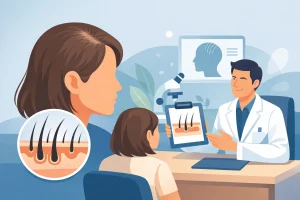
Hair thinning can have many causes. Learn how a specialist scalp assessment identifies triggers and builds a clear plan for healthier, fuller-looking hair.
What causes female hair loss? Learn about hormones, stress, nutrition, scalp health and medical factors, plus when personalised expert care can help you.
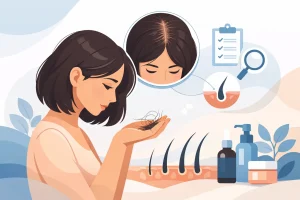
Female hair loss treatment starts with a specialist assessment, scalp health and a personal plan for stronger, fuller-looking hair and renewed confidence.