
How to Prepare for Hair Transplant Surgery
Learn how to prepare for hair transplant surgery with clear advice on assessments, medicines, scalp care, recovery planning and realistic expectations.
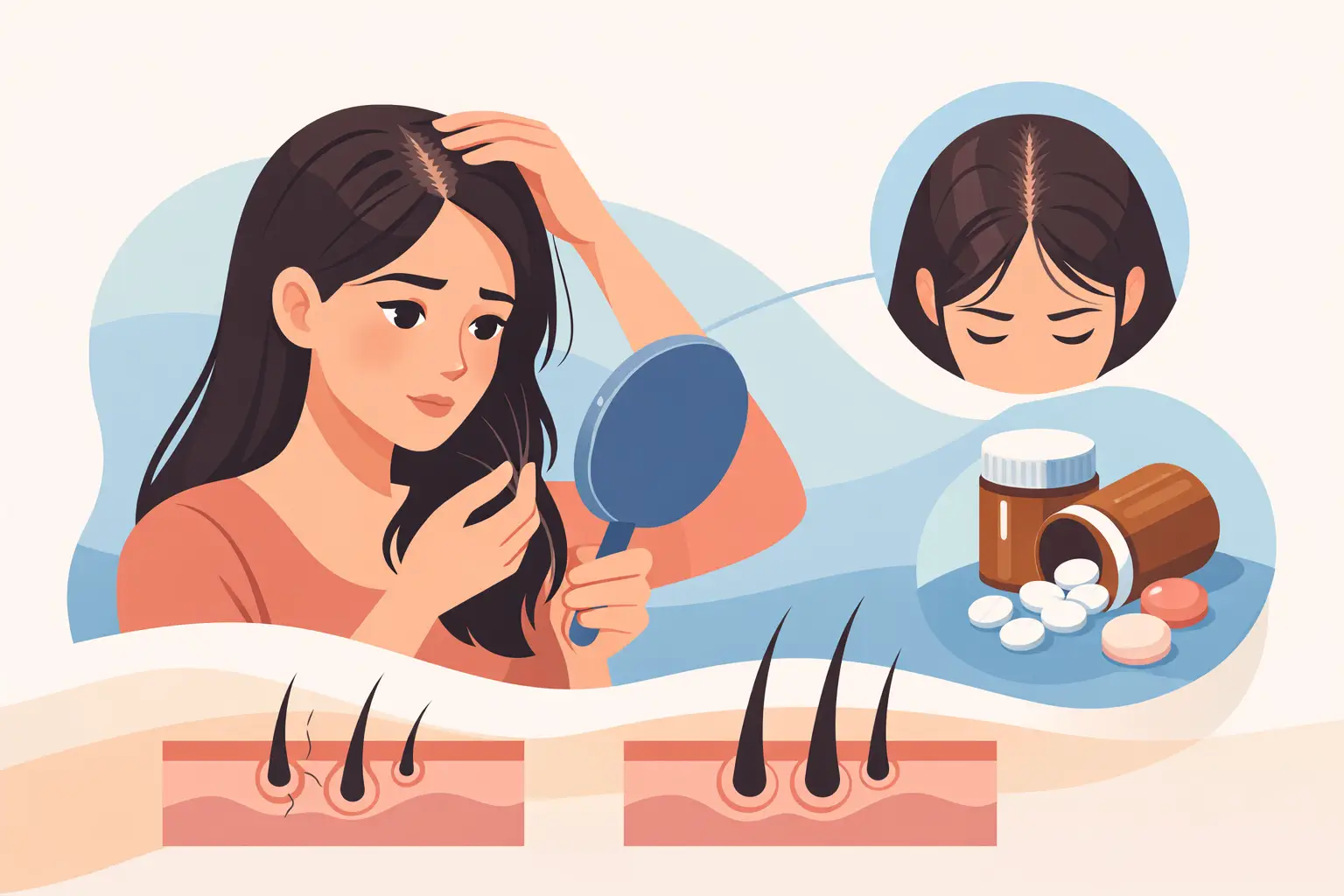
Seeing more scalp at the parting, more strands on the brush, and less volume around the crown can feel deeply unsettling. For many women, female hair loss treatment spironolactone becomes part of the conversation when thinning appears linked to hormones, especially when the pattern is gradual, diffuse, and persistent.
Spironolactone is not a cosmetic quick fix. It is a prescription medicine that may help slow or reduce androgen-related hair thinning in women, particularly female pattern hair loss. Used well, it can be a valuable part of a personalised treatment plan. Used without proper assessment, it can disappoint or even create unnecessary risk. That is why the right diagnosis comes first.
Spironolactone was originally developed as a medicine for other health conditions, but in hair medicine it is used because of its anti-androgen effects. In simple terms, it can reduce the impact of male hormones such as testosterone and dihydrotestosterone on hair follicles. In women who are genetically sensitive to these hormones, that effect matters.
When follicles are repeatedly exposed to androgen activity, they can shrink over time. Hair becomes finer, shorter, and less pigmented. The overall result is reduced density, most often through the central scalp, crown, or widening part line rather than a sharply defined bald patch. Spironolactone aims to interrupt that process.
This is why female hair loss treatment spironolactone is usually considered for women with signs of androgen-related thinning, not for every type of hair loss. If the underlying issue is telogen effluvium after stress, iron deficiency, thyroid imbalance, or inflammatory scalp disease, spironolactone may not be the right answer on its own.
The women most likely to benefit are those with female pattern hair loss, especially if there are hormonal clues alongside the thinning. These might include acne, excess facial hair, irregular periods, or a history suggestive of polycystic ovary syndrome. Some women have no obvious hormonal symptoms at all, but still show the typical scalp pattern and family history.
Age also matters, but not in a simple way. Premenopausal women are often the main group considered for spironolactone, although some postmenopausal women may also be suitable depending on medical history and the wider treatment plan. What matters more than age alone is the pattern of loss, the likely cause, and whether the medicine can be used safely.
This is where a specialist assessment is so valuable. Hair loss that looks similar in the mirror can be driven by very different mechanisms underneath. A careful consultation, medical history, scalp examination, and where needed blood testing can prevent months of frustration.
One of the most common mistakes in hair care is expecting a single treatment to solve a complex problem. Hair loss rarely behaves that neatly.
Even when spironolactone is appropriate, it often works best as part of a broader strategy. If scalp inflammation is present, the scalp needs treating. If ferritin is low, that deficiency needs correcting. If shedding has been triggered by illness, medication changes, rapid weight loss, or stress, those factors need attention too. In many cases, combining medical treatment with scalp-focused care produces a stronger and more sustainable result than relying on one tablet alone.
For some women, spironolactone may also be paired with topical treatments, procedural options such as PRP, or a structured maintenance programme. The right combination depends on severity, goals, timescale, and tolerance for side effects.
Patience is essential. Hair growth moves slowly, and even effective treatment rarely shows meaningful cosmetic improvement in the first few weeks.
Most women need several months before they can judge whether spironolactone is helping. Early benefit may simply be stabilisation – less shedding, less widening of the part, or a feeling that the hair is not deteriorating as quickly. Visible thickening usually takes longer. It is reasonable to think in terms of months rather than weeks, and ongoing review is important.
This can be emotionally difficult, especially for women who have already spent time and money on products that promised fast change. Honest expectations matter. The aim is usually to slow progression, improve retention, and support stronger regrowth where follicles are still active. If a follicle has been inactive for too long, no medicine can guarantee full reversal.
Spironolactone is a prescription medicine, so safety is not a footnote. It needs proper medical oversight.
Possible side effects can include breast tenderness, menstrual irregularity, dizziness, fatigue, headaches, increased urination, and sometimes changes in blood pressure. Because spironolactone can affect potassium levels, monitoring may be required depending on the individual and any other medication being taken.
Pregnancy is a major consideration. Spironolactone is not suitable during pregnancy, and women of childbearing age need clear medical advice on this before starting treatment. It may also be unsuitable for some people with kidney problems, certain cardiovascular conditions, or specific medication interactions.
This is another reason self-prescribing or copying someone else’s regimen is unwise. A treatment that is appropriate for one woman may be completely wrong for another.
The best results tend to happen when treatment begins before thinning becomes advanced. If the follicles are miniaturising but still producing hair, there is more potential to preserve and improve density. If loss has progressed significantly, the goal may be more about stabilisation than dramatic regrowth.
Realistic progress often looks subtle at first. A parting may appear less sparse. Styling may become easier. The hairline may not continue to recede. Photographs taken under consistent lighting often show improvement more clearly than day-to-day mirror checks.
It also helps to understand that response varies. Some women respond well to spironolactone. Some see modest improvement. Some find that another diagnosis or another treatment pathway is more suitable. Good care means reviewing the response honestly and adapting the plan rather than pushing on blindly.
Female hair loss is not one condition. It is a symptom with many possible causes, and several can exist at the same time.
A woman may have female pattern hair loss layered with telogen effluvium after childbirth or illness. Another may have traction damage from tight styling combined with seborrhoeic scalp irritation. Another may have scarring alopecia, where delay in diagnosis can allow permanent loss to progress. These situations require very different management.
That is why a specialist approach focuses on the whole picture – scalp health, hormonal patterns, nutritional status, medical history, family background, and the timeline of change. At Dubai Hair Doctor, this kind of personalised assessment is central to building a treatment plan that makes clinical sense rather than offering generic reassurance.
Before starting, it is worth asking whether the diagnosis is clear, whether there are signs of hormonal involvement, what monitoring is needed, how results will be measured, and what the next step will be if improvement is limited. Those questions help shift the process from trial and error towards structured care.
You should also ask what else may be contributing. If the scalp is unhealthy, if shedding has been triggered by another medical issue, or if there is breakage rather than true root-level hair loss, those problems deserve equal attention.
The strongest treatment plans are rarely the most fashionable ones. They are the ones built around your actual cause, your health profile, and your long-term goals.
Hair loss in women is personal. It affects confidence, daily routine, and often the way you see yourself long before anyone else notices. Spironolactone can be an effective option for the right patient, but the real progress starts with understanding why the thinning is happening and choosing a plan that treats that cause with care, precision, and patience.
Learn how to prepare for hair transplant surgery with clear advice on assessments, medicines, scalp care, recovery planning and realistic expectations.
Hair thinning can have many causes. Learn how a specialist scalp assessment identifies triggers and builds a clear plan for healthier, fuller-looking hair.
What causes female hair loss? Learn about hormones, stress, nutrition, scalp health and medical factors, plus when personalised expert care can help you.
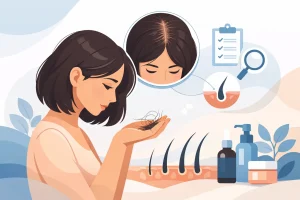
Female hair loss treatment starts with a specialist assessment, scalp health and a personal plan for stronger, fuller-looking hair and renewed confidence.