
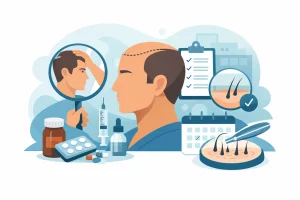
How to Prepare for Hair Transplant Surgery
Learn how to prepare for hair transplant surgery with clear advice on assessments, medicines, scalp care, recovery planning and realistic expectations.
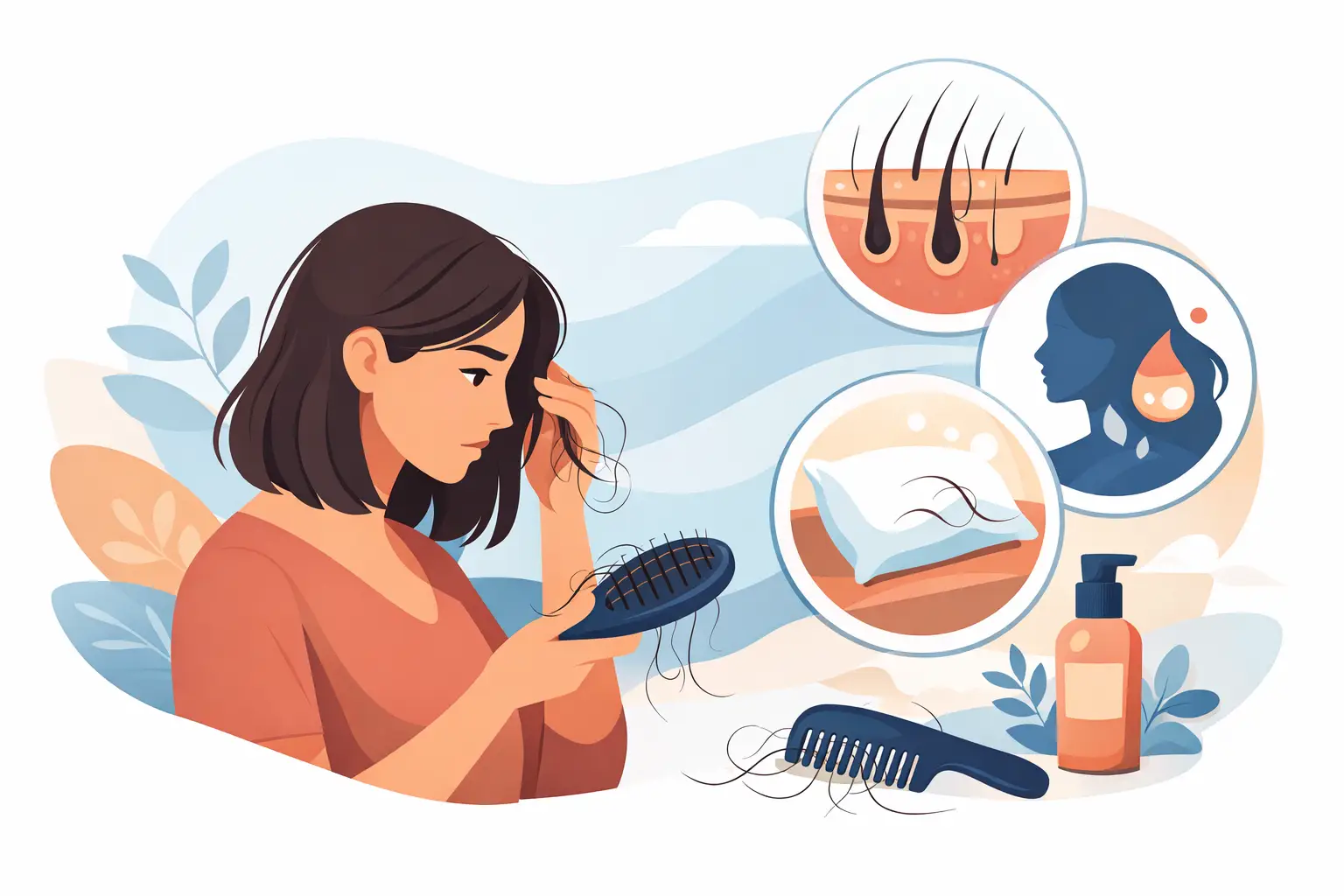
Finding more hair in the shower, on your pillow or around your hairline can feel deeply unsettling. For many women, hair is closely tied to identity, confidence and how they feel when they look in the mirror. The question, what causes female hair loss, rarely has one simple answer. Hair shedding can be temporary, progressive or linked to an underlying health or scalp concern – which is why a personalised assessment matters.
Female hair loss is common, but it should never be dismissed as something you simply have to live with. Understanding the pattern, timing and condition of your scalp can help identify the factors involved and create a realistic plan to protect and improve your hair density.
Hair grows in cycles. Most hairs spend years in the active growth phase before naturally moving into a resting and shedding phase. When that cycle is disrupted, more hairs may shed at once, growth may become weaker, or follicles may gradually produce finer hairs.
Some causes are temporary and improve once the trigger is addressed. Others, such as female-pattern hair thinning, need longer-term management. It is also possible to have more than one cause at the same time. For example, a woman with a family tendency towards thinning may notice a sudden increase in shedding after illness, stress or a change in hormones.
Female-pattern hair loss is one of the most frequent reasons for gradual thinning in women. It often appears as a widening parting, reduced volume through the crown, or a ponytail that feels less full than it once did. Unlike many forms of male-pattern hair loss, women often retain their frontal hairline, although this varies.
Genetics and sensitivity to certain hormones can influence how follicles behave over time. Each growth cycle may become shorter, and the hair produced can become finer. This process is usually gradual, so it may go unnoticed until styling no longer creates the same coverage.
Early support can make a meaningful difference. The aim is not to promise an overnight transformation, but to assess the level of miniaturisation, reduce avoidable shedding and support the healthiest possible growth environment.
Hormonal shifts are a major reason why hair can change at different stages of life. Pregnancy can keep more hair in the growth phase, creating thicker-looking hair for some women. After birth, hormone levels change quickly and the hairs that were retained may shed over several months. This can be alarming, but post-partum shedding is often temporary.
Perimenopause and menopause can also affect hair density, texture and scalp condition. As oestrogen levels change, some women experience finer growth around the parting and crown. Polycystic ovary syndrome and other hormonal imbalances may contribute to thinning as well, particularly when they occur alongside acne, irregular periods or increased facial hair.
A trichology consultation does not replace medical care from your GP, dermatologist or endocrinologist. However, recognising a pattern that may be hormone-related helps ensure the right questions are asked and appropriate medical investigation is considered.
A high fever, surgery, significant emotional stress, rapid weight change or a serious illness can trigger diffuse shedding across the scalp. This is often called telogen effluvium. The shedding may begin two to three months after the triggering event, making the connection easy to miss.
You may notice more hair than usual during washing or brushing, but not necessarily clear bald patches. In many cases, the cycle settles as the body recovers. Recovery still takes patience: hair growth is slow, and new hairs need time to become visible and contribute to overall fullness.
Stress alone is not always the full explanation. It is worth looking at sleep, nutrition, recent illness, medication changes and any pre-existing tendency to hair thinning rather than assuming stress is the only cause.
Hair follicles are active tissues with a steady need for energy and nutrients. Restrictive dieting, inadequate protein intake, rapid weight loss and poor absorption can all affect hair growth. Low iron stores are commonly explored in women with diffuse shedding, particularly those with heavy periods, but the right tests and interpretation should be guided by a qualified clinician.
Vitamin D, B12, zinc and thyroid function may also be relevant depending on your symptoms, diet and health history. Taking multiple supplements without evidence of a deficiency is not necessarily helpful and can occasionally create other problems. A targeted approach is safer and more likely to support genuine results.
If your hair loss began after a dramatic diet change or a period of low appetite, mention this during your consultation. The timing can be one of the clearest clues.
Several medical conditions can affect hair density. Both an underactive and overactive thyroid may lead to increased shedding or changes in texture. Autoimmune conditions can cause more defined areas of hair loss, as seen with alopecia areata, while inflammatory scalp disorders may affect the follicle itself.
Certain medications can also contribute to shedding. This does not mean you should stop prescribed treatment. Instead, speak to the clinician who prescribed it and seek specialist guidance on what may be happening. A careful case history is essential because hair loss may appear months after a medication is started or changed.
Prompt assessment is particularly important if loss is sudden, patchy, accompanied by scalp pain, burning, redness, scaling, or loss of eyebrows or body hair. These signs need proper evaluation rather than cosmetic cover-ups.
A healthy scalp does not guarantee thick hair, but scalp inflammation, excess oil, persistent flaking, itching and product build-up can make existing thinning more difficult to manage. They may also increase breakage and make the hair appear less dense.
Conditions such as seborrhoeic dermatitis, psoriasis and folliculitis need an informed approach. Using harsher shampoos, frequent scratching or repeatedly changing products can aggravate an already compromised scalp. The best routine depends on the diagnosis, your hair type and whether you colour, straighten or wear protective styles.
At Dubai Hair Doctor, scalp assessment is treated as a central part of the hair recovery journey, not an afterthought. Looking closely at scalp condition and follicle activity helps shape a plan that is personal, practical and measurable.
Sometimes the issue is not shedding from the root but breakage along the length. Heat styling, bleaching, chemical straightening, tight extensions, braids and repeated tension can weaken the hair shaft. Traction from consistently tight hairstyles can also damage follicles over time, particularly around the temples and hairline.
The distinction matters. Breakage requires gentler hair-care practices and damage control, while follicle-related shedding may require a different clinical route. Both can happen together, so a full assessment should consider your styling habits as well as your health history.
There is no need to wait until thinning becomes severe. Seek support if shedding persists for more than a few months, your parting is widening, you can see more scalp in photographs, or you feel your hair has changed without a clear explanation. A consultation is also worthwhile before investing heavily in supplements, devices or treatments that may not suit the cause of your hair loss.
A specialist will typically review your medical history, family history, recent life events, diet, medication, hair practices and scalp symptoms. Close examination can help distinguish diffuse shedding, pattern thinning, breakage and signs of scalp disease. Where needed, you may be advised to arrange blood tests or medical referral alongside a hair-focused treatment plan.
Treatment may involve scalp care, nutrition support, evidence-led topical or clinical options, PRP therapy where appropriate, and ongoing monitoring. The right choice depends on the diagnosis, the degree of thinning, your health profile and what outcome is realistically achievable. Consistency is often more valuable than chasing the latest quick fix.
Hair loss can feel private, but you do not need to work it out alone. The earlier you understand what your scalp and hair are telling you, the sooner you can move from worry to a considered plan for healthier, stronger-looking growth.
Learn how to prepare for hair transplant surgery with clear advice on assessments, medicines, scalp care, recovery planning and realistic expectations.
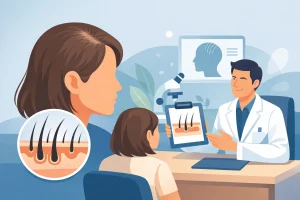
Hair thinning can have many causes. Learn how a specialist scalp assessment identifies triggers and builds a clear plan for healthier, fuller-looking hair.
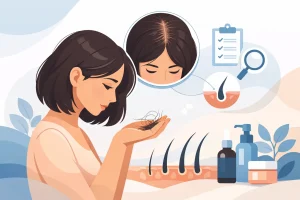
Female hair loss treatment starts with a specialist assessment, scalp health and a personal plan for stronger, fuller-looking hair and renewed confidence.
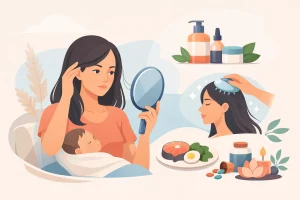
Explore postpartum hair loss solutions that address shedding, scalp health and confidence, with personalised support for healthier regrowth after birth.