
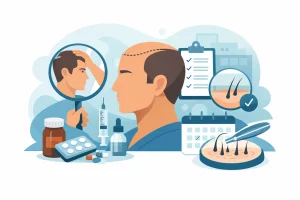
How to Prepare for Hair Transplant Surgery
Learn how to prepare for hair transplant surgery with clear advice on assessments, medicines, scalp care, recovery planning and realistic expectations.
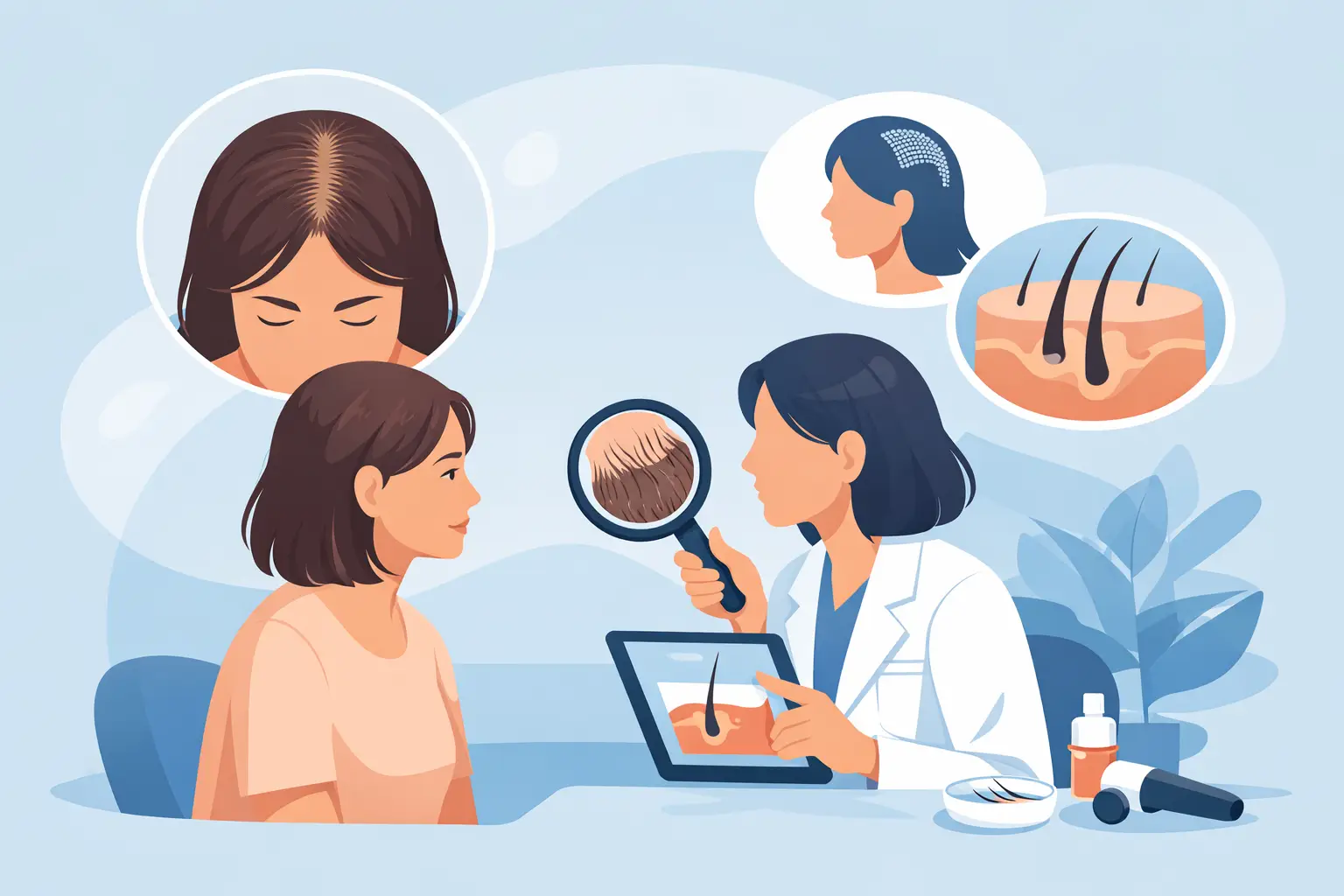
A widening parting, a ponytail that feels smaller, or more hair around the shower drain can feel deeply unsettling. Knowing how to diagnose female hair thinning properly gives you something far more useful than another product to try: a clear explanation of what may be changing, why it is happening, and what can realistically help.
Female hair thinning is not one condition with one solution. It can reflect a temporary shedding cycle, gradual female-pattern hair loss, scalp inflammation, nutritional deficiency, hormonal change, medication effects, or more than one factor at the same time. A careful assessment protects you from spending months masking the concern while the underlying cause goes unaddressed.
The first question is whether you are experiencing increased shedding, reduced density, or both. Shedding describes hairs coming out from the root. Density describes the amount of visible coverage left behind. These can overlap, but they point the assessment in different directions.
Sudden, noticeable shedding across the whole scalp may follow a physical or emotional stressor. Illness, surgery, rapid weight loss, a high fever, a difficult period of stress, stopping hormonal contraception, childbirth, or restrictive dieting can shift more hairs into the shedding phase. This is often known as telogen effluvium. It commonly becomes visible two to three months after the trigger, which can make the connection easy to miss.
Gradual thinning around the centre parting, crown and temples is more suggestive of female-pattern hair loss. The hairline may remain largely intact, but the parting can look broader and individual strands may become finer over time. Some women first notice that their scalp shows through in bright Dubai sunlight or in photographs, even though they are not seeing large amounts of hair fall.
Patchy loss, broken hairs, soreness, scaling or a shiny area of scalp deserves prompt professional attention. These signs can indicate an inflammatory scalp condition, traction-related damage, fungal infection, or a form of alopecia that needs early medical management.
A meaningful female hair thinning diagnosis should include your health history, lifestyle and scalp condition, not simply a glance at your hair. Hair is sensitive to internal changes, and the timeline matters.
During a consultation, a specialist will ask when you first noticed the change, whether it was sudden or gradual, and whether it followed a specific event. They may discuss your menstrual cycle, pregnancy and post-partum history, perimenopause or menopause, diet, recent weight changes, stress levels, sleep, prescribed medicines and family history of thinning.
Hormonal factors are particularly relevant when thinning occurs alongside irregular periods, acne, unwanted facial hair or changes in weight. These symptoms do not confirm a diagnosis on their own, but they may warrant assessment for hormonal conditions such as polycystic ovary syndrome. Thyroid changes can also affect shedding and hair quality.
Nutritional status matters too, especially after restrictive eating, heavy periods, digestive issues, bariatric surgery, vegetarian or vegan dietary changes, or unexplained fatigue. Low iron stores, vitamin D, vitamin B12, zinc or insufficient protein intake may contribute to poor hair growth in some people. Testing should be led by your symptoms and medical history rather than a generic panel of supplements.
A proper assessment is both detailed and personal. It should begin with listening. The emotional impact of thinning is real, whether you have noticed it for weeks or years, and you deserve clear answers rather than being told it is simply “normal”.
The scalp is then examined for redness, scale, excess oil, tenderness, follicle appearance and signs of miniaturisation. Magnified scalp imaging can help reveal whether hairs are becoming progressively finer, whether follicles are congested, and whether there are signs of inflammation that could interfere with healthy growth.
A hair pull test may be used when active shedding is suspected. The practitioner gently assesses whether an unusual number of loose hairs are released. This is a useful clinical clue, but it is only one part of the picture. Photographs and density measurements can also create a baseline, allowing change to be monitored rather than judged from memory alone.
Where appropriate, a GP, dermatologist or endocrinologist may be asked to arrange blood tests or investigate wider medical concerns. Common tests may include a full blood count, ferritin or iron studies, thyroid function, vitamin B12 and vitamin D. Hormonal testing may be relevant for some women, but its timing and interpretation need to reflect your individual circumstances.
At Dubai Hair Doctor, this process is designed to turn uncertainty into a personalised plan. The goal is not to promise one universal treatment, but to establish whether the priority is calming the scalp, reducing active shedding, supporting regrowth, protecting existing density, or referring for medical investigation.
There are a few useful observations you can make before your appointment, but self-diagnosis has limits. Take clear photographs of your centre parting, temples and crown in the same lighting every four to six weeks. This can show whether the change is stable, progressing or improving.
Keep a short note of when shedding began and any changes in your health or routine during the previous three months. Include illnesses, medication changes, stressful events, dietary changes and hair practices. Tight ponytails, braids, extensions and repeated tension can cause traction-related thinning, particularly around the hairline and temples.
Avoid judging your hair solely by what is left in the brush. Normal shedding varies between individuals and wash routines. If you wash your hair less often, more shed hairs may appear on wash day. The more useful question is whether your overall coverage, parting width or strand thickness has changed.
It is also wise to be cautious with online quizzes, unregulated supplements and aggressive oiling routines. A soothing scalp massage may feel pleasant, but it will not correct a hormonal or nutritional cause. Likewise, supplements are not automatically harmless or effective when there is no identified deficiency. The right treatment depends on the diagnosis.
Book a professional assessment promptly if you notice sudden bald patches, pain, burning, itching, significant scale, pustules, scarring, eyebrow loss or a rapidly receding hairline. Seek medical advice if hair loss is accompanied by fatigue, unexplained weight change, heavy or irregular periods, new facial hair growth, or other symptoms that suggest an underlying health issue.
Early support is especially valuable in female-pattern hair loss. Once follicles have miniaturised for a long period, restoring density can become more challenging. This does not mean you should panic at the first shed hair. It means that a gradual change lasting several months deserves attention before it becomes harder to manage.
Treatment should follow the cause, the stage of thinning and your personal goals. Temporary shedding after a trigger may improve as the body recovers, but the process can take months. During that time, scalp support, nutrition guidance and realistic monitoring can make the experience less distressing.
For female-pattern thinning, a longer-term approach is usually needed. Options may include clinically appropriate topical treatments, scalp-health programmes, targeted nutritional support where a deficiency is confirmed, and regenerative treatments such as PRP for suitable candidates. PRP uses platelet-rich plasma from your own blood and may support hair quality and density as part of a wider plan. It is not a substitute for investigating hormone, thyroid or iron concerns when those are suspected.
A credible plan also includes review points. Your hair growth cycle is slow, so meaningful progress is usually measured over months, not days. Consistent photographs, scalp assessments and honest discussion about response allow treatment to be adjusted with confidence.
You do not need to accept thinning as something you must quietly live with, nor do you need to chase every new product. The most reassuring next step is a considered assessment that respects both your health and how you want to feel when you see yourself in the mirror.
Learn how to prepare for hair transplant surgery with clear advice on assessments, medicines, scalp care, recovery planning and realistic expectations.
Hair thinning can have many causes. Learn how a specialist scalp assessment identifies triggers and builds a clear plan for healthier, fuller-looking hair.
What causes female hair loss? Learn about hormones, stress, nutrition, scalp health and medical factors, plus when personalised expert care can help you.
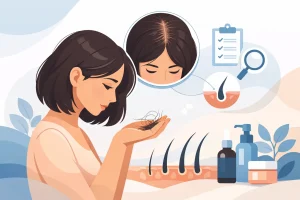
Female hair loss treatment starts with a specialist assessment, scalp health and a personal plan for stronger, fuller-looking hair and renewed confidence.