
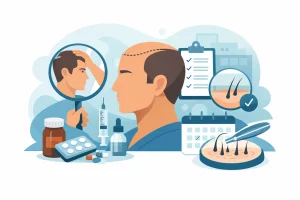
How to Prepare for Hair Transplant Surgery
Learn how to prepare for hair transplant surgery with clear advice on assessments, medicines, scalp care, recovery planning and realistic expectations.

A scalp consultation often answers a question that has been quietly building for months: Why is my hair changing? If you are searching for how to prepare for scalp consultation appointments, the goal is not to impress the specialist. It is to arrive with the kind of information that helps them identify patterns, rule out guesswork, and recommend treatment that truly fits your scalp, hair history, and lifestyle.
For many women, that first visit carries more emotion than expected. Hair thinning, shedding, irritation, or visible scalp changes can affect confidence long before anyone else notices. Preparation helps shift the appointment from stressful to productive. When your specialist can see your scalp clearly, understand your timeline, and hear what you have already tried, the consultation becomes more precise from the start.
Scalp and hair concerns rarely come from one simple cause. Thinning may relate to hormones, stress, nutrition, inflammation, genetics, styling tension, postpartum changes, or an underlying scalp disorder. Sometimes it is one issue. Often it is several working together.
That is why a consultation is not just a quick look at the scalp. A specialist is usually assessing shedding patterns, scalp condition, follicle health, medical background, and your day-to-day habits. The more complete the picture, the more tailored the advice can be. Good preparation does not guarantee immediate answers, but it does improve the quality of the assessment.
It also prevents a common problem: arriving after covering the scalp with dry shampoo, oils, fibers, or heavy styling products that make examination harder. Many patients do this without realizing it can hide the very signs the specialist needs to see.
The best preparation starts 3 to 7 days before your visit. You do not need to do anything complicated, but you do need to be observant. Think like someone gathering useful evidence, not someone trying to fix the issue at the last minute.
Start by paying attention to what has been happening with your hair and scalp. When did you first notice the problem? Was it sudden or gradual? Are you seeing more hair in the shower, on your pillow, or while brushing? Is the concern focused at the part line, temples, crown, or all over? If your scalp is itchy, flaky, tender, oily, or burning, note when that happens and what seems to trigger it.
If possible, bring a simple timeline. It can be written in your phone notes. Include major events from the last 6 to 12 months such as illness, rapid weight loss, pregnancy, childbirth, surgery, major stress, new medication, or a change in contraception. These details matter because hair often responds to changes in the body with a delay. What looks like a current problem may have started with something that happened three months ago.
Photos are also extremely helpful. If you have older pictures that show your hair density, hairline, or parting before the problem began, save them. Recent photos taken in natural light can help show progression. Many women see their hair every day and struggle to tell whether things are stable or getting worse. Photos can make subtle changes easier to track.
One of the most practical parts of how to prepare for scalp consultation visits is knowing how to arrive on the day.
Wash your hair within 24 hours of the appointment unless your clinic has given different instructions. Use your usual shampoo. In most cases, it is best to avoid heavy oils, scalp serums, root cover sprays, hair fibers, leave-in buildup, pomades, or thick dry shampoo. These can coat the scalp and interfere with magnified examination.
You also want to skip tight hairstyles. A sleek bun, extensions, or anything that pulls firmly at the roots can make it harder to assess natural shedding patterns, scalp visibility, and areas of tension. Wear your hair down or in a loose style that can be parted easily.
If you color your hair, do not panic. You do not need to cancel the appointment because of color-treated hair. However, if your scalp has been irritated by bleach, dye, or keratin treatments, mention it. Timing matters. A scalp that is inflamed after a recent salon service may look very different from one that is reacting to a medical condition.
A strong scalp consultation is part visual exam and part detailed case history. Bring anything that helps your specialist understand what has already been investigated.
Recent blood work can be useful if you have it, especially if it includes ferritin, iron studies, vitamin D, thyroid markers, B12, zinc, or hormone-related testing. Not every patient will have these results, and not every case requires the same labs, but prior records can save time and reduce repeat testing.
Also bring a list of current medications and supplements. Include prescription medications, over-the-counter products, protein powders, fat-loss injections, hair vitamins, and herbal supplements. Patients often forget to mention these because they seem unrelated, yet they can affect shedding, scalp sensitivity, and treatment planning.
If you have seen a dermatologist, trichologist, endocrinologist, or primary care provider before, note what you were told and what treatments you tried. This includes medicated shampoos, topical solutions, PRP, steroid treatments, antibiotics, microneedling, laser devices, and transplant consultations. A treatment that did not work is still useful information.
The most productive consultations are collaborative. You should leave with more than a product recommendation. You should understand what the specialist suspects, what needs further investigation, and what realistic improvement may look like.
Ask what type of hair loss or scalp issue they believe you may be experiencing and whether the diagnosis is clear or still developing. Some cases are straightforward. Others require monitoring over time, especially if multiple triggers are involved.
Ask what may be contributing to your condition. Is the issue inflammatory, hormonal, genetic, nutritional, stress-related, or linked to styling practices? If there are several possible factors, ask which ones matter most right now.
You should also ask about treatment options in practical terms. How long before you can expect visible change? What is the difference between slowing loss, reducing shedding, and regrowing density? Are there maintenance requirements? This is where honesty matters. Good care is individualized, but it is also realistic. Not every scalp concern can be solved quickly, and not every patient needs the same level of intervention.
Do not start three new hair products the week before your consultation. If your scalp reacts badly, it becomes harder to know whether the irritation is part of your underlying condition or simply a product response.
Do not assume more product means better preparation. A clean scalp is helpful. An over-treated scalp is not. Exfoliating acids, overnight oils, heavy masks, and aggressive scrubs can distort what your specialist sees.
Try not to minimize your symptoms either. Many women apologize for coming in too early, then reveal they have been worried for a year. Early evaluation is often better than waiting until thinning becomes advanced. If the issue turns out to be temporary, that is reassuring. If it needs treatment, earlier action usually gives you more options.
A scalp consultation is a starting point, not a miracle moment. Sometimes you will leave with a clear diagnosis and a treatment plan. Sometimes you will leave with a likely diagnosis, a request for tests, and a plan to monitor changes. That does not mean the consultation failed. It means your care is being handled carefully.
This is especially important for female hair loss, where the emotional pressure to fix everything quickly can be intense. Marketing often promises dramatic regrowth without addressing the cause. Specialist care works differently. It aims to understand what is happening beneath the surface and then build a plan that supports scalp health, follicle function, and visible improvement over time.
At Dubai Hair Doctor, this patient-centered approach matters because women deserve more than generic advice. They deserve a consultation that respects both the science and the emotional weight of hair loss.
The appointment itself is only one part of progress. The quality of the outcome often depends on what happens next: following the treatment plan, attending reviews, tracking changes, and being honest if something is not working for you.
Hair restoration is rarely instant. Shedding may improve before density does. Scalp discomfort may settle before regrowth begins. In some cases, the first goal is simply to stabilize loss. That can feel less exciting than rapid transformation, but it is often the step that makes future improvement possible.
If you prepare well, you give your specialist the best chance to make that first visit count. Bring the facts, arrive with a clean scalp, ask clear questions, and remember that seeking expert help is not overreacting. It is a confident step toward answers, support, and a treatment plan built around you.
Learn how to prepare for hair transplant surgery with clear advice on assessments, medicines, scalp care, recovery planning and realistic expectations.

Hair thinning can have many causes. Learn how a specialist scalp assessment identifies triggers and builds a clear plan for healthier, fuller-looking hair.

What causes female hair loss? Learn about hormones, stress, nutrition, scalp health and medical factors, plus when personalised expert care can help you.

Female hair loss treatment starts with a specialist assessment, scalp health and a personal plan for stronger, fuller-looking hair and renewed confidence.