
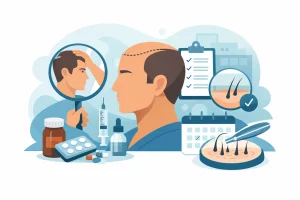
How to Prepare for Hair Transplant Surgery
Learn how to prepare for hair transplant surgery with clear advice on assessments, medicines, scalp care, recovery planning and realistic expectations.
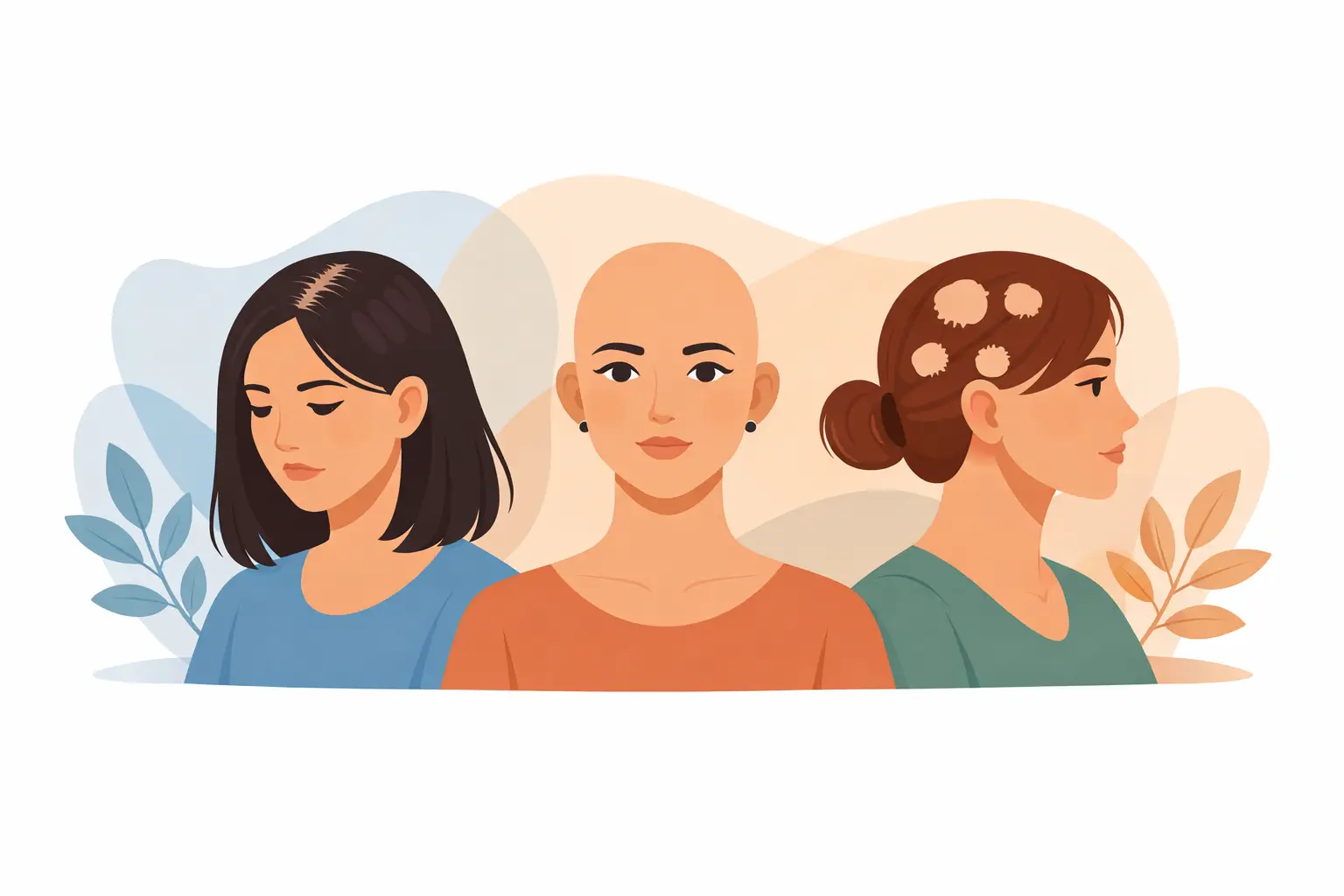
Hair loss rarely feels like a simple medical issue when you are the one seeing more scalp in the mirror, more strands in the shower, or a widening part that seems to appear overnight. A clear guide to female alopecia types matters because the pattern of loss often tells us what is happening beneath the surface, and that directly affects what kind of treatment has the best chance of helping.
For many women, the hardest part is not just the shedding itself. It is the uncertainty. Is it stress, hormones, genetics, inflammation, or something more serious? The term alopecia simply means hair loss, but there is no single form of female alopecia. Some types are reversible, some can be stabilized, and some need urgent attention to prevent permanent follicle damage.
Two women can both describe “thinning hair” and have completely different conditions. One may have a temporary shedding disorder after illness or childbirth, while another may be experiencing progressive pattern hair loss linked to genetics and hormones. The symptoms can overlap, but the treatment plan should not.
This is where many women lose time. They try supplements, shampoos, oils, or social media advice without a clear diagnosis. Sometimes that delay is only frustrating. In other cases, especially with inflammatory or scarring alopecia, waiting too long can reduce the chance of regrowth.
Female pattern hair loss is one of the most common types of alopecia in women. It usually presents as gradual thinning through the top of the scalp, often with a wider part and reduced hair density rather than completely bald patches. The frontal hairline may stay relatively intact, which is one reason women sometimes miss it in the early stages.
This type is usually influenced by genetics, aging, and hormonal sensitivity. It can begin in the 20s or 30s, but many women notice it more clearly around perimenopause or menopause. The process is progressive, meaning the follicles slowly miniaturize and produce finer, shorter hairs over time.
Treatment often focuses on slowing progression, improving follicle function, and supporting density. Results depend on how early the condition is identified. If the follicles are still active, there is more room for improvement.
Telogen effluvium is a shedding disorder rather than a classic baldness pattern. It often appears suddenly, with increased hair fall across the entire scalp. Women may notice excessive shedding after stress, rapid weight loss, surgery, fever, childbirth, hormonal changes, or nutritional deficiencies.
The hair usually falls from all over rather than from one isolated area. Because the shedding can be dramatic, it often feels more alarming than it looks at first. In many cases, telogen effluvium improves once the internal trigger is identified and corrected, but it can also become chronic if the underlying cause remains unresolved.
This is one of the clearest examples of why diagnosis matters. Treatments aimed at hereditary hair loss may miss the bigger issue if iron status, thyroid function, scalp health, or ongoing stress is driving the shedding.
Alopecia areata is an autoimmune condition in which the immune system targets the hair follicles. It commonly causes round or oval patches of sudden hair loss, though the pattern can vary. Some women lose a single patch, while others experience repeated episodes or more extensive scalp involvement.
The skin in the affected area often looks smooth rather than flaky or scarred. Some patients also notice nail changes. Alopecia areata can be emotionally difficult because it may appear quickly and without warning.
Regrowth is possible, but the course is unpredictable. Some women recover fully, while others have recurrent or more persistent episodes. Because autoimmune and inflammatory mechanisms are involved, this type needs a thoughtful medical approach rather than cosmetic masking alone.
Traction alopecia develops from repeated tension on the hair follicles. Tight ponytails, heavy extensions, braids, wigs with constant friction, and repeated styling stress can all contribute. It often affects the hairline, temples, or any area exposed to chronic pulling.
Early traction alopecia may be reversible if the mechanical stress is removed. That is the good news. The trade-off is that long-standing traction can cause permanent follicle damage, especially if there is already inflammation or scalp tenderness.
Women sometimes mistake this for naturally thinning edges or hormonal hair loss. A close assessment of styling habits, breakage patterns, and scalp signs is essential. The sooner tension is reduced, the better the outlook.
Frontal fibrosing alopecia is a scarring form of hair loss that usually causes a receding frontal hairline, often with loss of eyebrows as well. It is seen more often in postmenopausal women, though it can occur earlier. The hairline may look smooth, pale, or slightly inflamed, and some women notice itching, burning, or a tight sensation.
This condition is especially important to diagnose early because scarring alopecia can permanently destroy follicles. Once a follicle is replaced by scar tissue, regrowth is much less likely. The goal becomes stopping or slowing further loss as quickly as possible.
Because it may begin subtly, women sometimes assume they just have a naturally changing hairline. If there is eyebrow thinning, perifollicular redness, or scalp discomfort, specialist evaluation is strongly recommended.
Lichen planopilaris is another inflammatory scarring alopecia. It may cause patchy hair loss with redness, scaling around follicles, itching, burning, or tenderness. Unlike non-scarring forms, the inflammation can permanently damage the follicle unit.
There are several scarring alopecia subtypes, and they are not always easy to distinguish without expert scalp examination and, in some cases, further testing. What matters most is recognizing that scalp symptoms such as pain, burning, intense itching, or shiny scar-like areas should never be ignored.
In these cases, speed matters more than trial and error. Supportive hair restoration strategies may still play a role, but only after the inflammatory process is properly assessed and controlled.
A reliable diagnosis starts with the story behind the hair loss. The timing, the pattern, recent illness, family history, medications, menstrual changes, stress, diet, and scalp symptoms all matter. A woman with diffuse shedding after a crash diet requires a different conversation from someone with a slowly widening part over several years.
Scalp examination is equally important. Specialists look at density changes, follicle miniaturization, broken hairs, inflammation, scaling, and the distribution of loss. Some women also need blood work to assess internal contributors such as iron deficiency, thyroid imbalance, or vitamin deficiencies. In selected cases, a scalp biopsy may be recommended to confirm scarring alopecia.
This process is not about making hair loss feel more complicated than it needs to be. It is about avoiding guesswork. The right treatment plan depends on the right category of alopecia first.
Any persistent thinning deserves professional attention, but some signs should move faster. Sudden patchy loss, burning or painful scalp symptoms, eyebrow loss, visible inflammation, or rapid recession of the hairline all warrant prompt evaluation.
It is also worth seeking support if your hair loss is affecting your confidence, even if the change seems mild to others. Hair loss is deeply personal. A specialist consultation should address both the medical cause and the emotional weight that comes with it.
At a clinic focused on female trichology, the goal is not simply to label the condition. It is to build a tailored plan that reflects your diagnosis, stage of loss, scalp health, lifestyle, and long-term goals. That may include medical therapies, regenerative options such as PRP, scalp-focused treatment, nutritional support, or guidance around hair care and styling practices. It depends on the type of alopecia, how active it is, and whether the follicles are still capable of stronger growth.
Hair loss in women is not one condition with one answer. Some forms are temporary, some are progressive, and some are inflammatory enough to threaten permanent loss if they are missed. That is why early, individualized diagnosis matters so much.
If your hair has been changing and you are no longer sure what is normal, trust that instinct. The sooner you understand which type of alopecia you are dealing with, the sooner you can move from worry to a treatment plan built around real answers.
Learn how to prepare for hair transplant surgery with clear advice on assessments, medicines, scalp care, recovery planning and realistic expectations.
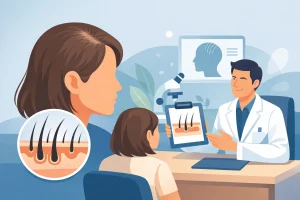
Hair thinning can have many causes. Learn how a specialist scalp assessment identifies triggers and builds a clear plan for healthier, fuller-looking hair.
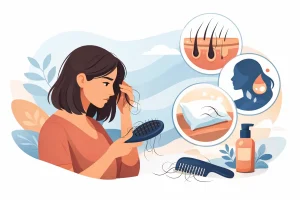
What causes female hair loss? Learn about hormones, stress, nutrition, scalp health and medical factors, plus when personalised expert care can help you.
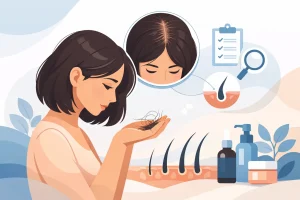
Female hair loss treatment starts with a specialist assessment, scalp health and a personal plan for stronger, fuller-looking hair and renewed confidence.