
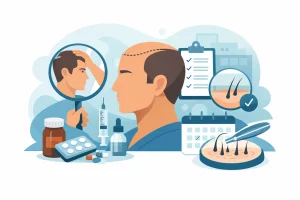
How to Prepare for Hair Transplant Surgery
Learn how to prepare for hair transplant surgery with clear advice on assessments, medicines, scalp care, recovery planning and realistic expectations.
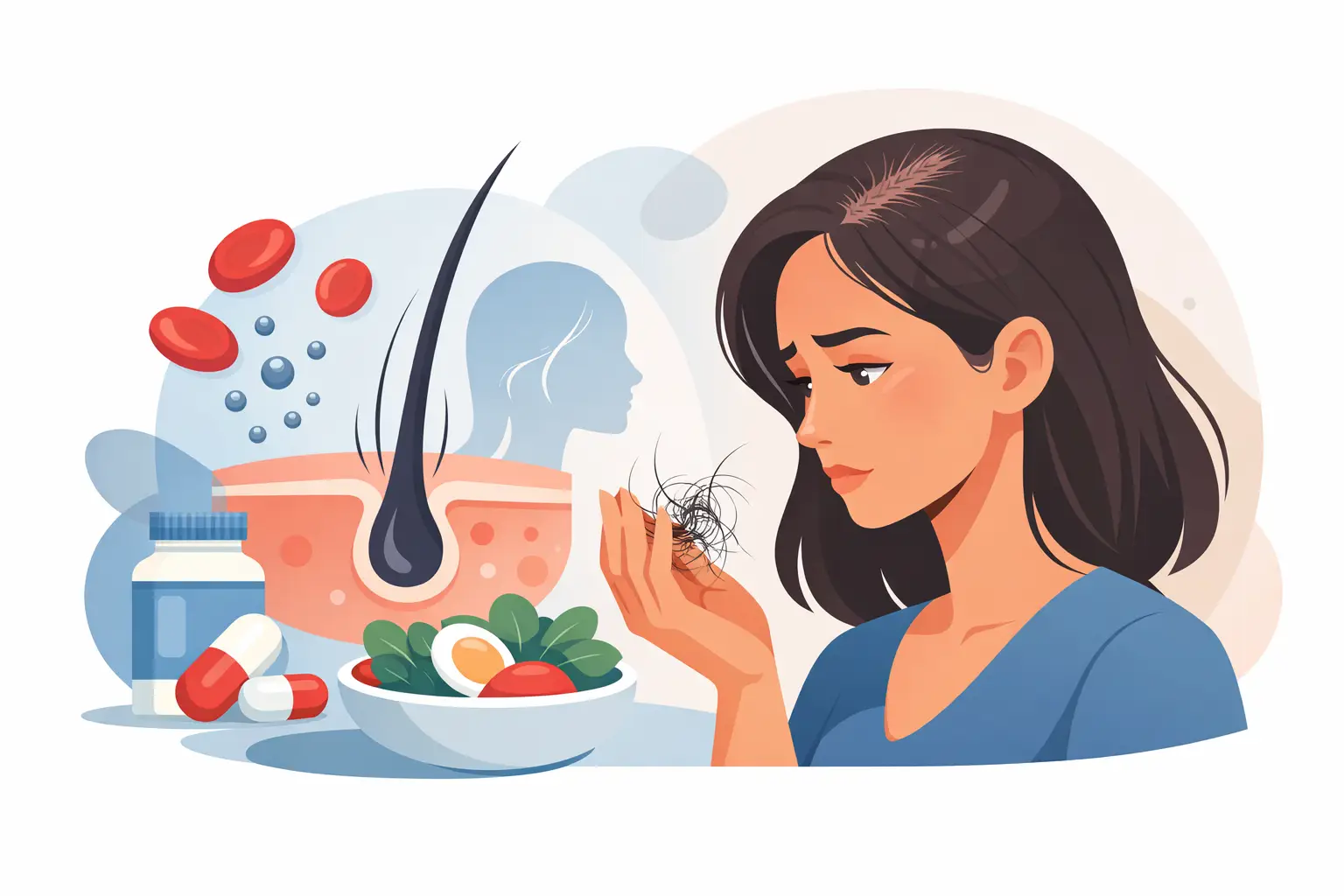
You may be doing everything right for your hair – using quality products, avoiding heat damage, and eating well – yet still notice more shedding in the shower or a widening part. For many women, iron deficiency hair loss female concerns begin quietly and worsen over time, especially when the real cause is missed or brushed off as stress.
Hair loss linked to low iron is one of the most common patterns we see in women. It can affect volume, density, growth speed, and overall hair quality. Just as importantly, it can affect confidence. The encouraging part is that iron-related shedding is often treatable, but only when the diagnosis is accurate and the treatment plan is individualized.
Hair follicles are among the most metabolically active structures in the body. They need a steady supply of oxygen and nutrients to stay in the active growth phase. Iron plays a central role in that process because it helps carry oxygen through the blood.
When iron stores drop, the body prioritizes essential organs and functions over hair growth. That means follicles can shift out of the growth phase earlier than they should. The result is often diffuse shedding – hair loss that appears all over the scalp rather than in one sharply defined patch.
This is one reason iron deficiency hair loss in females can be frustrating. The hair may not fall out in dramatic clumps at first. Instead, women often notice a thinner ponytail, more scalp visibility, or hair that no longer grows with the same strength and fullness.
Low iron does not always cause obvious symptoms right away. Some women feel exhausted or short of breath, while others mainly notice changes in their hair and nails.
Hair-related signs can include increased daily shedding, thinning around the part line, reduced density across the scalp, and hair that feels finer than before. In some cases, regrowth is slow, even when breakage is under control.
Other symptoms may appear alongside the shedding. These can include fatigue, dizziness, pale skin, brittle nails, headaches, feeling cold easily, or reduced exercise tolerance. If heavy menstrual bleeding is part of the picture, the likelihood of depleted iron stores becomes even more relevant.
That said, symptoms overlap with many other conditions. Thyroid imbalance, vitamin D deficiency, stress-related shedding, androgenetic hair loss, and scalp inflammation can all look similar. That is why guessing rarely helps.
Women are especially vulnerable to low iron because of monthly blood loss, pregnancy, postpartum recovery, and in some cases restrictive eating habits. Even women who eat a balanced diet can develop low ferritin, which is the stored form of iron, particularly if absorption is poor or blood loss is ongoing.
In practice, several patterns come up often. Heavy periods are a major one. Another is postpartum shedding layered on top of already low iron reserves from pregnancy. Vegetarian or vegan diets can also play a role, not because they are unhealthy, but because iron intake and absorption require more planning. Gastrointestinal issues such as celiac disease, reflux medication use, or other digestive concerns may reduce absorption further.
For some women, iron deficiency is not the only cause of hair loss but one of several contributors. That matters because correcting iron may reduce shedding, but fuller recovery sometimes also requires addressing hormones, scalp health, inflammation, or genetic thinning.
If you suspect low iron, the next step should be proper testing rather than self-diagnosis. A basic conversation about symptoms is helpful, but blood work gives the clearer picture.
Ferritin is often the most useful marker in hair loss cases because it reflects iron stores. A complete blood count may show anemia, but some women experience hair shedding even before anemia becomes obvious. Iron studies may also include serum iron, transferrin saturation, and total iron-binding capacity, depending on the case.
This is where nuance matters. A lab value that falls within the general reference range may still not be ideal for healthy hair growth. At the same time, low ferritin does not automatically mean it is the only reason for shedding. Good care means interpreting test results in context, not in isolation.
A specialist assessment can also help distinguish whether the shedding is telogen effluvium, female pattern hair loss, postpartum loss, traction-related damage, or a combination. That distinction changes the treatment plan.
If low iron is confirmed, treatment should focus on two goals at the same time: restoring iron stores and supporting the scalp and follicles during recovery.
For many women, this begins with iron supplementation recommended by a physician. The type of supplement, dose, and duration depend on how low the levels are, whether anemia is present, and how well the digestive system tolerates oral iron. Some women do well with standard oral supplements. Others struggle with nausea, constipation, or poor absorption and may need a different approach.
Diet matters too, but food alone may not be enough when deficiency is significant. Iron-rich foods such as red meat, lentils, spinach, beans, and fortified grains can help support recovery. Pairing plant-based iron sources with vitamin C may improve absorption. On the other hand, taking iron alongside calcium, tea, or coffee can reduce absorption in some cases.
Still, correcting iron is rarely an overnight fix. Hair responds slowly. Shedding may continue for several weeks before it settles, and visible improvement in density can take several months. This delay is normal, but it can be discouraging if expectations are not managed properly.
Some women start iron tablets and expect their hair to fully recover, only to find the shedding improves but the overall density does not return as hoped. This does not always mean the treatment failed. It may mean the hair loss was multifactorial from the beginning.
If iron deficiency triggered a shedding episode on top of underlying female pattern thinning, restoring iron may stop the acute loss without reversing miniaturization. If scalp inflammation is present, follicles may need targeted scalp therapy. If stress, hormonal shifts, or postpartum changes are involved, treatment may need to account for those too.
This is why a tailored plan tends to produce better results than a single supplement alone. In specialist trichology care, we often look at the full picture – medical history, blood markers, scalp condition, hair density pattern, and timeline of shedding – before recommending treatment.
Depending on the case, support may include medical-grade scalp care, growth-supportive therapies, PRP, topical treatment, or a structured hair restoration program. The right approach depends on what is driving the loss now, not just what triggered it months ago.
Women often ask the same question: when will my hair feel normal again?
The honest answer is that it depends. If iron deficiency is the primary cause and it is corrected effectively, shedding may begin to improve within two to three months. Noticeable regrowth usually takes longer, often three to six months, and fuller cosmetic improvement can take six to twelve months depending on hair length and the severity of the loss.
There are trade-offs here. Hair grows slowly, and aggressive treatment is not always better treatment. What tends to work best is consistent monitoring, realistic expectations, and adjusting the plan if progress stalls.
If you have ongoing shedding, a visible reduction in density, heavy periods, fatigue, or a history of low iron, it is worth getting assessed early. It is especially important to seek help if the hair loss has lasted longer than three months, if you can see more scalp than before, or if over-the-counter products have made little difference.
Specialist support matters because female hair loss is rarely one-size-fits-all. A woman with postpartum shedding and low ferritin needs a different plan than a woman with chronic iron deficiency and androgenetic thinning. Precision matters, and so does reassurance.
At Dubai Hair Doctor, this is exactly where science-backed, individualized care makes the difference. The goal is not just to name the problem, but to identify what is keeping your hair from recovering and build a plan around that.
If your hair has been thinning and you suspect iron may be part of the reason, do not wait for it to become severe before getting answers. The sooner the cause is clarified, the sooner your treatment can move from guesswork to progress.
Learn how to prepare for hair transplant surgery with clear advice on assessments, medicines, scalp care, recovery planning and realistic expectations.
Hair thinning can have many causes. Learn how a specialist scalp assessment identifies triggers and builds a clear plan for healthier, fuller-looking hair.
What causes female hair loss? Learn about hormones, stress, nutrition, scalp health and medical factors, plus when personalised expert care can help you.
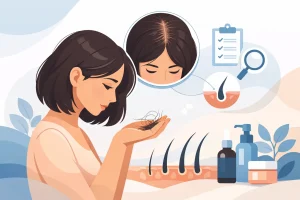
Female hair loss treatment starts with a specialist assessment, scalp health and a personal plan for stronger, fuller-looking hair and renewed confidence.