How to Prepare for Hair Transplant Surgery
Learn how to prepare for hair transplant surgery with clear advice on assessments, medicines, scalp care, recovery planning and realistic expectations.

Walking through the aisles of any pharmacy in the UAE, you’re met with a bewildering array of supplements, each promising to be the miracle cure for hair loss. It’s easy to feel overwhelmed and anxious, worried that you’re wasting your money on ineffective ‘magic pills’. The endless search for the single best vitamin for hair fall can feel like a frustrating cycle, especially when you’re unsure if your hair thinning is due to a simple deficiency or a more complex medical condition that self-prescribing could worsen.
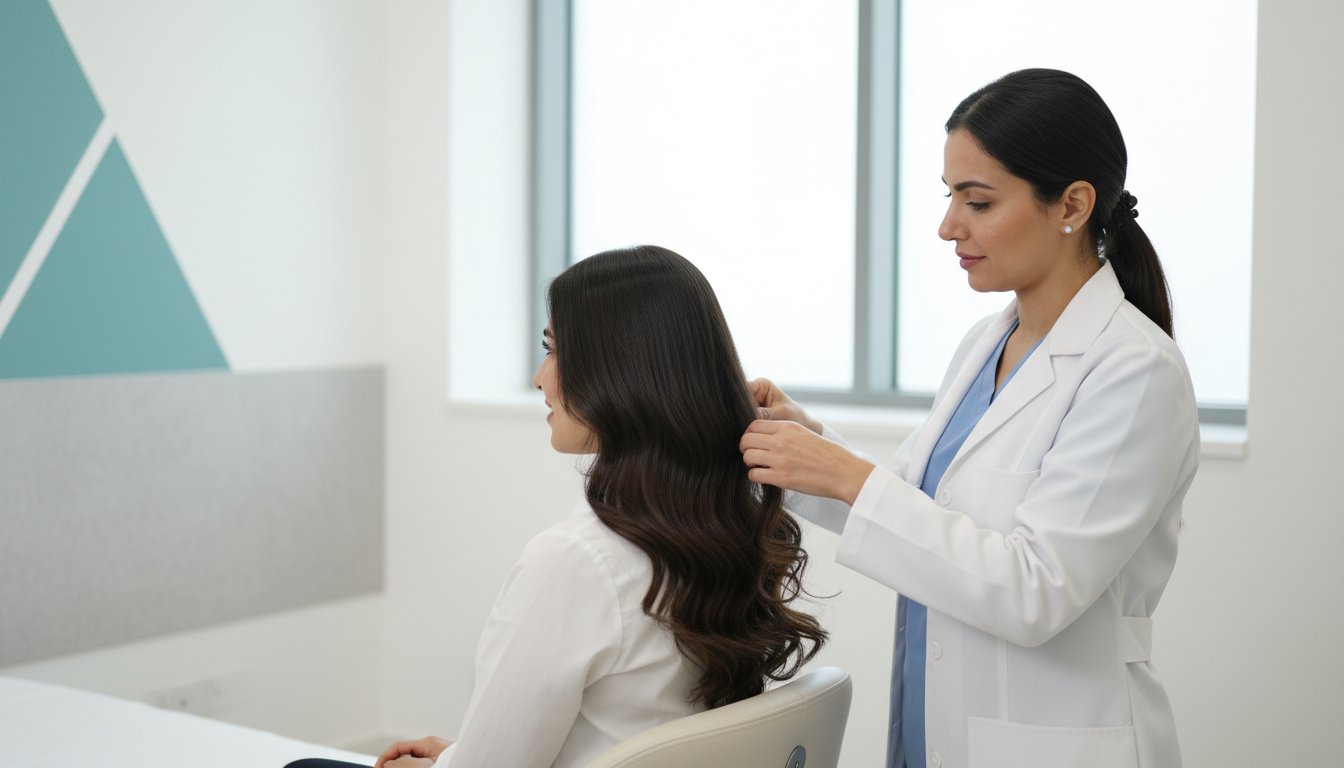
A professional trichology consultation provides the clarity and direction that self-treatment cannot. It is a comprehensive diagnostic process designed to uncover the precise reason for your hair loss. During your appointment, a certified trichologist will conduct a detailed analysis, including a full review of your medical history, lifestyle, and a microscopic scalp examination (trichoscopy). This thorough, compassionate approach, also practiced by leading international clinics like Terra Medical, allows us to move beyond guesswork and create a personalized treatment plan tailored specifically to you.
At Dubai Hair Doctor, we believe in providing compassionate, science-backed solutions that bring clarity and restore confidence. In this expert guide, our trichologists will cut through the marketing noise to reveal which vitamins and minerals are truly proven to support scalp wellness and hair growth. We will also explain the vital importance of a professional diagnosis-the true key to an effective, personalized treatment plan. It’s time to stop the guesswork, feel in control of your hair health, and take the first confident step towards restoring your hair’s natural vitality.
Many people experiencing hair shedding begin their journey by searching for a single, powerful vitamin for hair fall. While this is an understandable starting point, the clinical truth is that a ‘magic pill’ for hair loss does not exist. Healthy, resilient hair growth is an incredibly complex biological process, and your follicles depend on a wide spectrum of vitamins, minerals, and proteins working in synergy to thrive.
Each hair on your head cycles through distinct phases: a growth phase (anagen), a transition phase (catagen), and a resting/shedding phase (telogen). A disruption to this delicate cycle is what leads to noticeable hair fall. It is essential to view this shedding not as the core problem, but as a symptom. Our science-backed approach focuses on diagnosing the underlying cause to effectively restore your hair’s health and, most importantly, your confidence.
Your body is intelligently designed to prioritize survival. When it detects a nutritional shortfall, it diverts essential resources away from non-essential tissues to support vital organs. Because hair is not critical for survival, your follicles are often one of the first areas to suffer. This is why thinning is rarely caused by a single deficiency; more often, it is a cumulative effect of several missing nutrients, compounded by other powerful factors. Stress, hormonal fluctuations, and genetics are among the most common causes of hair loss that must be considered for any successful treatment plan.
A nutritional deficiency simply means your body is not receiving or absorbing the necessary amount of a nutrient to function optimally. For your hair, this starves the follicles of the fundamental building blocks they need to construct strong, healthy strands. This can trigger acute shedding, known as telogen effluvium, or contribute to more gradual, chronic thinning. Identifying the specific nutrients you are lacking is the critical first step in developing a targeted, effective strategy to halt excessive shedding and promote new growth.
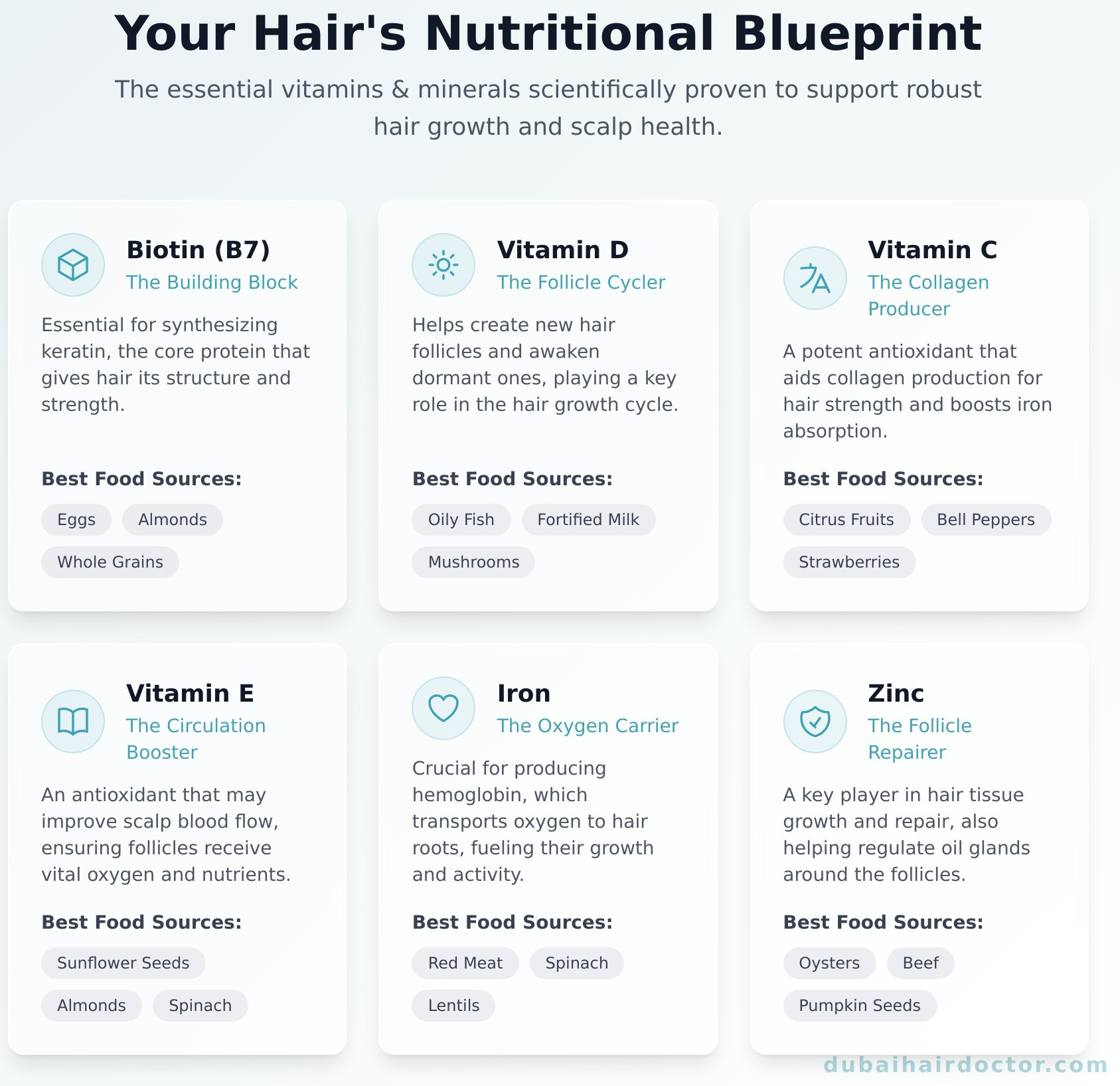
While many nutrients contribute to hair health, a select group forms the bedrock of follicular strength and vitality. Identifying the right vitamin for hair fall begins with understanding these four foundational micronutrients. Their roles are deeply intertwined with hair growth cycles, structural integrity, and scalp wellness, as detailed in this comprehensive scientific review on hair loss. Let’s explore how each one provides targeted, science-backed support for your hair.
Biotin is renowned for its essential role in synthesizing keratin, the very protein that constitutes your hair, skin, and nails. It acts as a fundamental building block for strong, resilient hair strands. While its importance is clear, it is important to note that true biotin deficiency is uncommon in healthy individuals with a balanced diet.
Best Food Sources: Nutrient-rich foods like eggs (especially the yolk), almonds, whole grains, and sweet potatoes are excellent sources of biotin.
This essential vitamin plays a crucial role in creating new hair follicles and stimulating dormant ones, helping to regulate the hair growth cycle. In the UAE, despite abundant sunshine, Vitamin D deficiency is surprisingly prevalent due to lifestyle factors and intense heat encouraging indoor living. A simple blood test can confirm your levels.
Best Food Sources: Oily fish like salmon, fortified milk, mushrooms, and achieving sensible, brief sun exposure during non-peak hours.
As a potent antioxidant, Vitamin C helps protect hair follicles from damage caused by free radicals and oxidative stress. It is also vital for producing collagen, a protein that strengthens hair shafts. Critically, it enhances the absorption of iron-a key mineral for hair growth-from plant-based sources, making it a crucial team player in your nutritional strategy.
Best Food Sources: Boost your intake with citrus fruits, bell peppers, strawberries, and broccoli.
Similar to Vitamin C, Vitamin E is a powerful antioxidant that helps reduce cellular damage on the scalp. Some clinical studies suggest it may improve blood flow, ensuring follicles receive the oxygen and nutrients they need to thrive. A healthy, well-nourished scalp is the foundation for restoring healthy hair.
Best Food Sources: Sunflower seeds, almonds, spinach, and avocados are rich in this protective vitamin.
While identifying the right vitamin for hair fall is a crucial first step, a truly effective approach to hair restoration requires a broader nutritional perspective. Vitamins and minerals work synergistically, meaning they rely on one another for optimal absorption and function within the body. A deficiency in a key mineral can directly contribute to hair shedding, undermining even the best vitamin regimen. The intricate Role of Vitamins and Minerals in Hair Loss is well-documented in clinical studies, underscoring the need for a comprehensive, science-backed strategy to restore your hair’s health and your confidence.
Iron is absolutely essential for producing hemoglobin, the protein in your red blood cells responsible for transporting oxygen. Your hair follicles are highly active and demand a steady supply of oxygen to fuel growth and maintain a healthy hair cycle. For women in particular, iron deficiency (anemia) is a leading and often undiagnosed cause of diffuse hair loss and shedding, a condition known as telogen effluvium.
This powerful mineral is a cornerstone of hair wellness, playing a direct role in hair tissue growth and repair. Zinc also helps regulate the sebaceous (oil) glands surrounding your follicles, ensuring a balanced scalp environment. A tell-tale sign of zinc deficiency can be a dry, flaky scalp accompanied by increased hair fall, which can be a source of significant distress.
Selenium contributes to hair health in two primary ways: it aids in the production of thyroid hormones, which are critical regulators of the hair growth cycle, and it acts as a potent antioxidant, protecting follicles from damaging oxidative stress. It is vital to maintain a proper balance, as both too little and too much selenium can trigger hair loss. A professional consultation is recommended before supplementing.
In the search for a solution to hair thinning, it’s tempting to reach for a bottle of supplements promising rapid results. The question we often hear is, “Should I just buy a hair supplement?” While well-intentioned, this approach can be ineffective and even risky without a proper diagnosis. At Dubai Hair Doctor, our compassionate, science-backed philosophy always begins with nutrition. A ‘food first’ approach is the safest and most sustainable foundation for restoring hair health, as your body is designed to absorb and utilise nutrients most effectively from whole foods.
Creating a diet that supports hair growth doesn’t have to be complicated. Focus on building balanced meals that include a source of lean protein, healthy fats, complex carbohydrates, and a variety of colourful fruits and vegetables. This ensures a steady supply of the vitamins and minerals your hair follicles need to thrive. A typical hair-healthy day might look like this:
When it comes to vitamins, more is not better. Self-prescribing can lead to over-supplementation, where excessive levels of certain nutrients become toxic. For example, too much Vitamin A and Selenium, often marketed for hair, can paradoxically trigger hair loss. Furthermore, high doses of Biotin can significantly interfere with important medical lab tests, leading to incorrect diagnoses for heart and hormone conditions. True scalp wellness comes from balance, not excess.
Supplements have a crucial role, but only when used as a targeted medical intervention. They are necessary when blood tests confirm a specific nutritional deficiency that cannot be corrected through diet alone. A trichologist can identify these shortfalls and recommend the precise form and dosage you need. The most effective vitamin for hair fall is the specific one your body is lacking. Concerned about your diet or potential deficiencies? Discuss your nutritional needs with our experts.
You’ve diligently improved your diet and started a supplement regimen, but the shedding continues. While nutrition is a vital pillar of hair health, persistent hair fall often signals a deeper issue that no vitamin alone can resolve. If you feel you’ve exhausted your options, it’s a clear sign that it’s time to look beyond the bottle and seek a professional, science-backed diagnosis.
When even the best vitamin for hair fall doesn’t deliver results, it’s often because the root cause isn’t nutritional. Your hair is a sensitive barometer of your overall health, and thinning can be triggered by a number of underlying factors that require expert attention. These include:
A professional trichology consultation provides the clarity and direction that self-treatment cannot. It is a comprehensive diagnostic process designed to uncover the precise reason for your hair loss. During your appointment, a certified trichologist will conduct a detailed analysis, including a full review of your medical history, lifestyle, and a microscopic scalp examination (trichoscopy). This thorough, compassionate approach allows us to move beyond guesswork and create a personalized treatment plan tailored specifically to you.
Once an accurate diagnosis is established, we can recommend effective clinical solutions that work synergistically with a healthy lifestyle. These treatments are designed to address the specific cause of your hair loss, creating the optimal environment for renewed growth. This may include advanced scalp therapies to improve follicle health or personalized topical solutions like our TrichoActive range. The most important step is understanding that the right treatment can only be determined after a correct diagnosis.
An accurate diagnosis is the foundation for restoring your hair and your confidence. If you are ready for a clear, science-backed path forward, we invite you to book a consultation with our compassionate team of experts.
While a balanced diet rich in essential vitamins and minerals is the undeniable foundation for healthy hair, the search for a single best vitamin for hair fall often overlooks the bigger picture. As we’ve explored, lasting solutions require a holistic understanding of your unique scalp and body chemistry. Simply taking supplements without a professional diagnosis is often an ineffective and frustrating approach to a complex problem.
If you are tired of the guesswork and ready for a clear path forward, it’s time to seek expert guidance. With over 20 years of trichological expertise, we specialize in diagnosing the root causes of female hair loss in Dubai. We provide personalized, science-backed treatment plans that combine medical expertise with compassionate care, going far beyond generic advice.
Stop guessing and start solving. Book a professional consultation today to find the true cause of your hair fall. Your journey to renewed hair health and restored confidence begins with one simple, decisive step.
Yes, it is clinically possible. A condition known as hypervitaminosis, or vitamin toxicity, can lead to hair shedding. Specifically, excessive intake of fat-soluble vitamins like Vitamin A and minerals such as selenium has been linked to telogen effluvium (stress-induced shedding). This is why self-prescribing high-dose supplements is inadvisable. A professional diagnosis ensures you receive the correct nutrients in safe, effective amounts for your specific needs, protecting both your hair and overall health.
Patience is essential when addressing hair health from within. Due to the natural hair growth cycle, it typically takes at least three to six months to notice a visible reduction in shedding and the emergence of new, stronger hair. The nutrients you consume today support the follicle for hair that will appear months from now. Consistency with a balanced, nutrient-rich diet and targeted supplementation, as advised by a professional, is the key to achieving and maintaining lasting results.
While biotin (Vitamin B7) is often marketed as a miracle solution, it is rarely a standalone cure for hair loss. Biotin deficiency is uncommon, and supplementation is only effective for those with a confirmed deficiency. True hair wellness requires a comprehensive approach. Factors like iron, Vitamin D, zinc, and protein levels are equally critical. Relying solely on biotin overlooks the complex, multifaceted nature of hair health, which often requires a more holistic, science-backed treatment plan.
We strongly recommend it. A comprehensive blood test is the most effective way to move from guesswork to a precise, data-driven treatment plan. It can identify specific deficiencies in key nutrients like iron (ferritin), Vitamin D, zinc, and B12, which are common culprits behind hair thinning. This diagnostic step allows a trichologist to recommend a targeted vitamin for hair fall that addresses your unique physiological needs, ensuring a safer and more effective path to hair restoration.
Extreme caution is necessary during pregnancy and breastfeeding. While prenatal vitamins prescribed by your obstetrician are vital, you must not take additional high-dose hair supplements without explicit medical approval. Certain vitamins, particularly Vitamin A, can be harmful to a developing foetus in excessive amounts. We always advise a collaborative approach; please consult with both your obstetrician and a hair loss specialist to ensure any treatment is completely safe for you and your baby.
A well-planned vegan or vegetarian diet does not inherently cause hair loss. However, these diets can increase the risk of deficiencies in nutrients more commonly found in animal products, such as iron, vitamin B12, zinc, and lysine. If you follow a plant-based diet and experience shedding, it is crucial to ensure you are consuming adequate amounts of these key nutrients through fortified foods or carefully chosen supplements under professional guidance to maintain optimal hair health.
Learn how to prepare for hair transplant surgery with clear advice on assessments, medicines, scalp care, recovery planning and realistic expectations.
Hair thinning can have many causes. Learn how a specialist scalp assessment identifies triggers and builds a clear plan for healthier, fuller-looking hair.
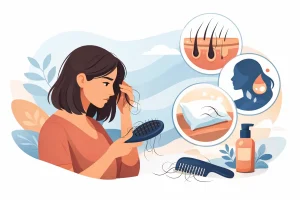
What causes female hair loss? Learn about hormones, stress, nutrition, scalp health and medical factors, plus when personalised expert care can help you.
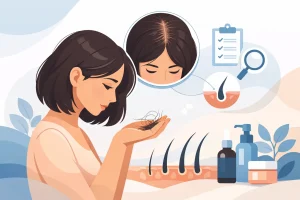
Female hair loss treatment starts with a specialist assessment, scalp health and a personal plan for stronger, fuller-looking hair and renewed confidence.