
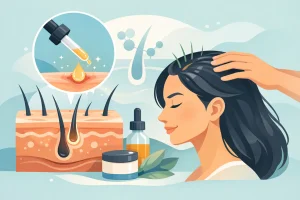
Scalp Treatment for Hair Growth That Works
Learn how scalp treatment for hair growth works, which options help female thinning, and when to seek expert care for stronger, healthier hair.
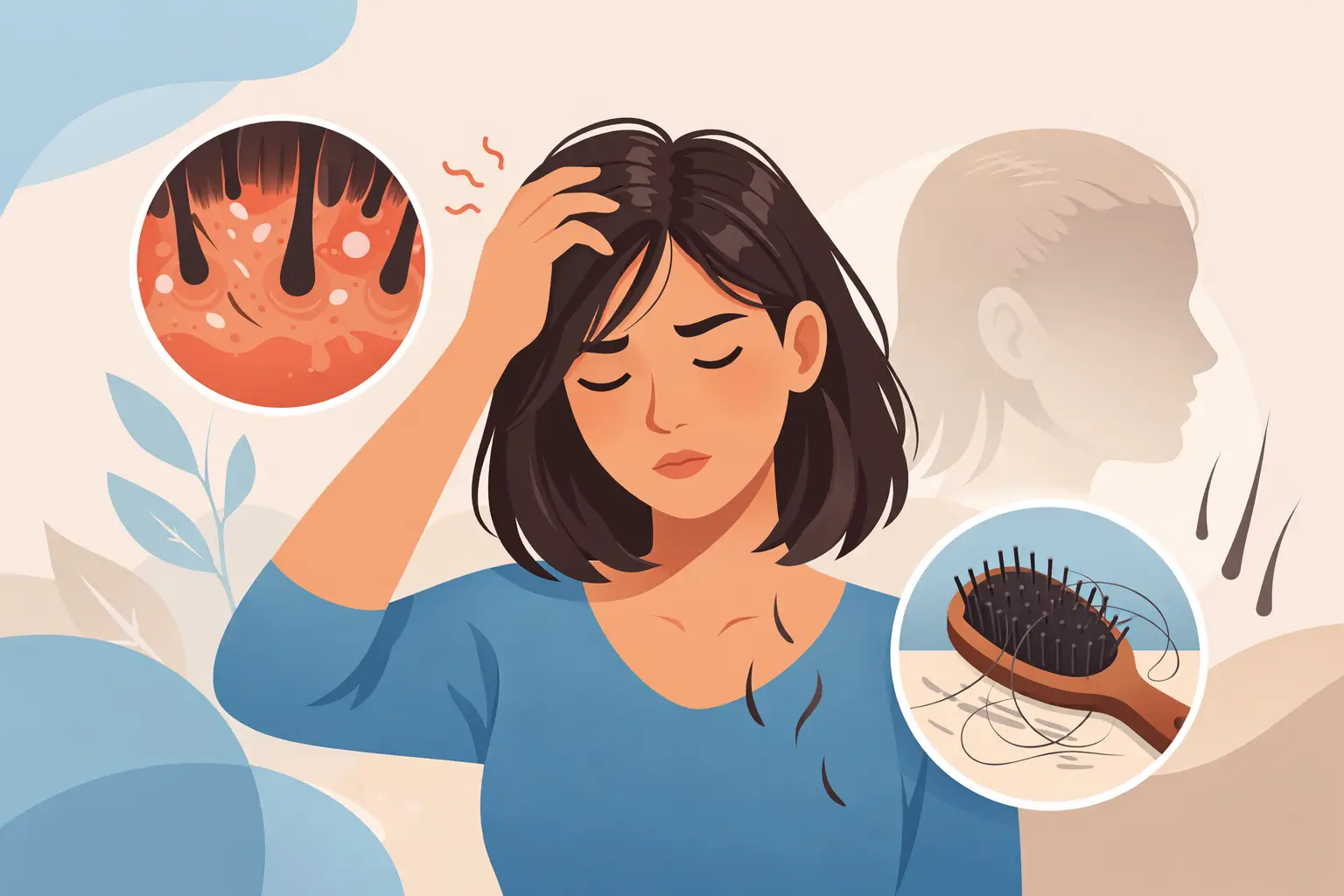
An itchy scalp can feel like a minor annoyance until you start noticing more hair in the shower, on your brush, or along your hairline. When itchy scalp and hair loss show up together, many women assume they just need a new shampoo. Sometimes that helps. Often, it does not.
The reason is simple: scalp irritation is not one condition. It is a symptom. And when the scalp is inflamed, disrupted, or reacting to an underlying issue, the hair can suffer too. The real question is not whether itching and shedding are connected. It is why they are happening in the first place.
Healthy hair growth depends on a healthy scalp environment. Hair follicles sit within the scalp, and when that skin becomes inflamed, overly oily, excessively dry, infected, or chemically irritated, the growth cycle can be disturbed. In some cases, the itch leads to scratching, and repeated scratching creates additional stress on the scalp and follicles. In other cases, the same root cause triggers both symptoms at once.
That is why itchy scalp and hair loss should not be brushed off when they persist. A little seasonal dryness is one thing. Ongoing itching, visible flakes, tenderness, burning, or increased shedding deserve a closer look.
This is one of the most common reasons women experience an itchy scalp. Seborrheic dermatitis usually causes flaking, irritation, and an oily or greasy scalp surface. It may look like simple dandruff, but it can be more inflammatory than many people realize.
The condition itself does not always directly destroy the follicle, but inflammation can increase shedding, and constant scratching can worsen the problem. If the scalp feels sore or itchy all the time, hair quality often starts to decline as well.
Hair oils, dry shampoo, fragrance-heavy products, hair dye, bleaching agents, and certain styling products can trigger irritation. This is especially common in women who are trying multiple remedies at once for thinning hair. Ironically, the search for a solution can leave the scalp more inflamed.
When the scalp barrier is compromised, itching may appear before visible redness does. If you recently changed products, had a color service, or started using stronger topical treatments, irritation should be considered.
Scalp psoriasis can cause thick scale, redness, itching, and patchy discomfort. Eczema may lead to dryness, sensitivity, and persistent scratching. Neither should be self-diagnosed casually, because several scalp conditions can look similar at first.
These conditions may contribute to shedding through inflammation and mechanical trauma from scratching. The good news is that once the scalp is better controlled, hair often has a better chance to recover.
If your scalp has tender bumps, pimple-like spots, crusting, pain, or areas that feel warm and irritated, folliculitis may be involved. This refers to inflammation or infection around the follicles. Some cases are mild. Others can become more disruptive to growth if ignored.
This is one of the situations where waiting too long is a mistake. A scalp that feels painful, not just itchy, needs professional assessment.
Not every itchy scalp with shedding is caused by a scalp disease. Hormonal shifts, thyroid imbalance, low iron, postpartum changes, and high stress can trigger hair loss, while the scalp becomes more reactive or sensitive at the same time.
This is where many women get stuck. They focus only on the itch, or only on the hair fall, when both may be signals of a broader internal issue. If your scalp looks relatively normal but feels uncomfortable and your shedding is increasing, the cause may not be purely surface-level.
This is the category that should never be overlooked. Certain inflammatory scalp disorders can permanently damage follicles if treatment is delayed. These conditions may cause itching, burning, tenderness, scaling, or patches of thinning.
Not every itchy scalp means scarring alopecia. Far from it. But if symptoms are persistent and hair density is clearly changing, it is important to rule out more serious causes early.
A lot of women normalize scalp discomfort for months or even years. They switch shampoos, use scalp scrubs, apply oils, and hope it settles down. Sometimes it does. Sometimes the real condition quietly progresses underneath.
There are a few signs that suggest you should stop guessing. One is when itching lasts more than a few weeks despite changing products. Another is when shedding becomes noticeably heavier, your part looks wider, or your ponytail feels thinner. Redness, scalp pain, visible patches, or scaling that keeps returning also matter.
Hair loss is rarely just cosmetic. For many women, it affects confidence, routine, and peace of mind. A proper scalp and hair assessment helps separate temporary irritation from something that needs targeted treatment.
The first instinct is often to treat aggressively. That can backfire.
Over-washing with harsh shampoos may dry the scalp further. Heavy oils can worsen buildup or seborrheic dermatitis in some people. Scrubs and exfoliating brushes may feel satisfying in the moment but can increase irritation. Even anti-hair-loss topicals can trigger sensitivity if used without guidance.
There is no single product that works for every itchy scalp and hair loss pattern because the causes vary so much. What helps one person can easily aggravate another.
The most effective treatment starts with identifying what type of hair loss is happening and what condition the scalp is showing. That sounds obvious, but it is the step many women miss after months of trial and error.
A specialist will typically look at the scalp closely, review the timing of the symptoms, ask about stress, hormones, medications, diet, and family history, and assess whether the hair loss is diffuse, pattern-based, patchy, or inflammatory. In some cases, blood testing or additional medical evaluation may be appropriate.
This matters because treatment for dandruff-related shedding is very different from treatment for female pattern hair loss, telogen effluvium, allergic scalp reactions, or scarring conditions. A tailored plan saves time and protects hair density.
If inflammation is driving the problem, calming the scalp comes first. That may involve medicated scalp care, anti-inflammatory treatment, or removing irritating triggers. If buildup or product sensitivity is involved, simplifying the routine can make a significant difference.
If the shedding reflects internal imbalance, the plan may need to address iron status, hormones, thyroid health, nutrition, or stress-related disruption. If female pattern thinning is present at the same time, treatment should support both the scalp environment and the hair growth cycle.
For some women, advanced therapies such as PRP can be useful as part of a broader strategy, but only after the scalp condition is properly understood. Procedures tend to work best when they are matched to the right diagnosis, not used as a blanket fix.
At Dubai Hair Doctor, this is where individualized care matters most. Women do not all lose hair for the same reason, and an itchy scalp is not a detail to ignore. It can be a valuable clue.
Often, yes – but timing matters.
If the hair loss is linked to temporary inflammation, dermatitis, stress shedding, or product-related irritation, regrowth is often possible once the trigger is controlled. The process is not immediate. Hair grows slowly, and it may take a few months before density begins to look fuller.
If the follicles have been damaged by a long-standing scarring condition, regrowth may be more limited. That is why early diagnosis is so important. The sooner the underlying issue is treated, the better the chance of preserving existing hair and supporting recovery where possible.
If your scalp is itchy occasionally but your hair density is stable, monitor it and keep your routine gentle. But if itching is persistent, your scalp feels inflamed, or you are seeing more hair fall than usual, do not wait for it to become obvious in photos.
The combination of discomfort and shedding is your signal that the scalp needs attention, not just cosmetic coverage. With the right diagnosis, many causes can be managed effectively, and many women see meaningful improvement in both scalp comfort and hair strength.
If your scalp has been trying to tell you something for a while, listening now is better than trying one more random product and hoping for a different result.
Learn how scalp treatment for hair growth works, which options help female thinning, and when to seek expert care for stronger, healthier hair.
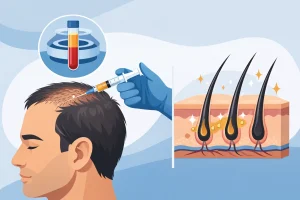
Does PRP help hair regrowth? Learn who it helps, when results show, and why scalp diagnosis matters before starting treatment.
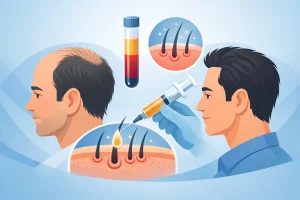
PRP therapy for hair loss can help reduce shedding and improve density. Learn how it works, who it suits, and what results to expect.
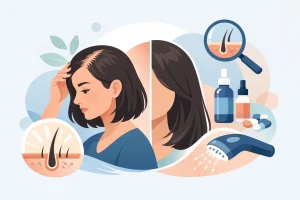
Find the best treatment for female hair loss with expert guidance on causes, proven options, and how personalized care supports lasting results.