
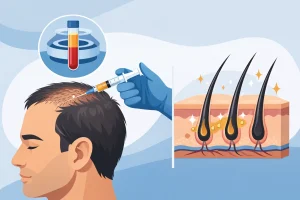
Does PRP Help Hair Regrowth? What to Expect
Does PRP help hair regrowth? Learn who it helps, when results show, and why scalp diagnosis matters before starting treatment.
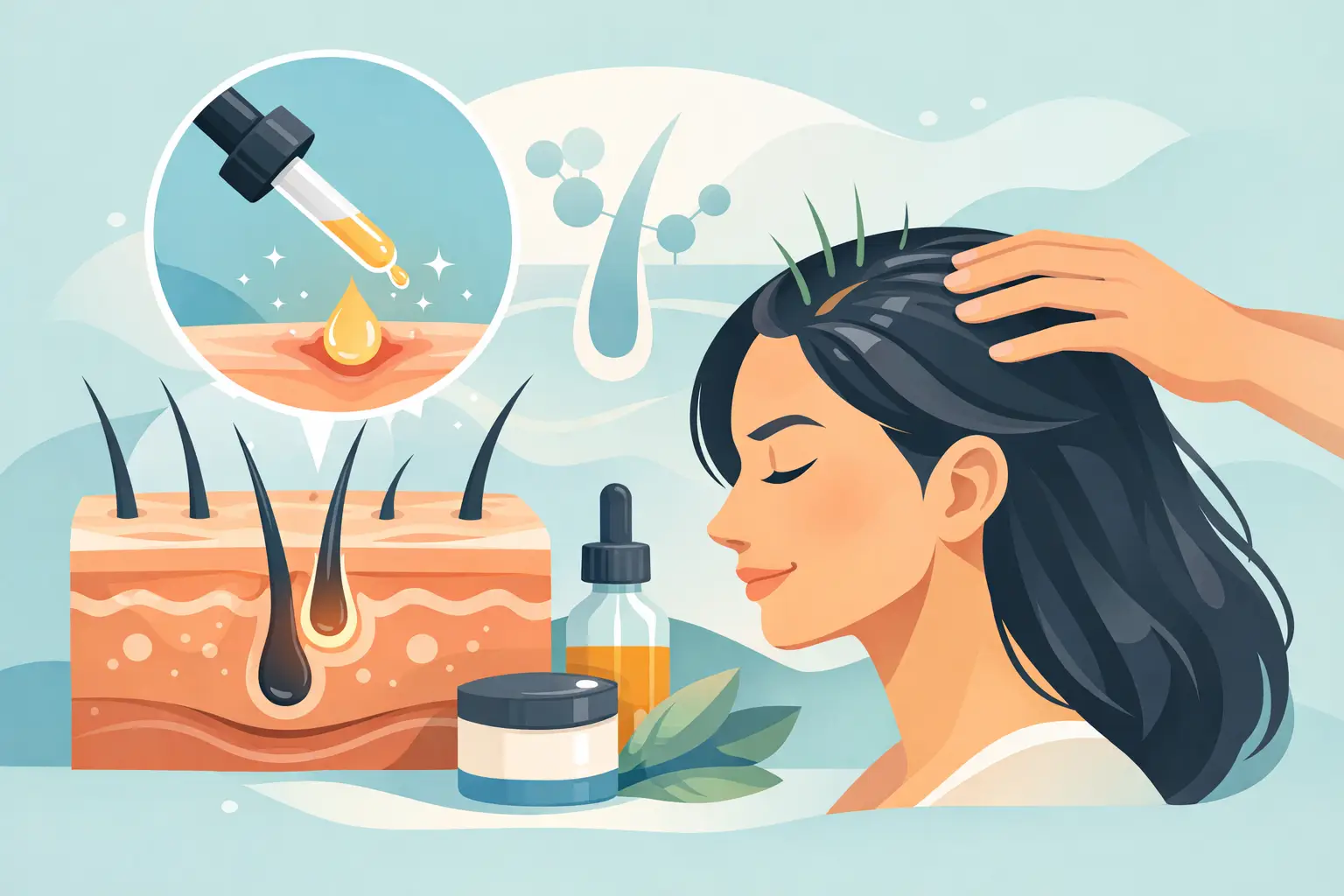
If your hair feels thinner at the part line, sheds more in the shower, or never seems to grow past a certain point, the scalp is often where the real story starts. A scalp treatment for hair growth is not a trend or a luxury add-on. For many women, it is the missing step between buying product after product and finally understanding why hair is not thriving.
That matters because healthy growth depends on more than the strands you can see. Hair follicles live in the scalp, and follicles respond to inflammation, oil imbalance, buildup, circulation, hormones, stress, and underlying scalp conditions. When the scalp environment is compromised, even expensive hair care can fall short.
Hair growth begins below the surface. Each follicle needs a stable environment to produce strong, resilient hair through the growth cycle. When the scalp is irritated, congested, excessively oily, dry, or inflamed, follicles can become less efficient. In some cases, shedding increases. In others, hair becomes finer over time.
This is one reason women often feel frustrated. They focus on breakage, volume, or hair length, but the root issue may be scalp health. A tight, itchy scalp after styling, flakes that keep returning, tenderness near the crown, or greasy roots within a day can all point to conditions that deserve more than cosmetic care.
A good scalp treatment for hair growth works by improving the environment around the follicle. That may mean reducing inflammation, removing buildup, calming irritation, supporting circulation, or treating a diagnosed scalp disorder. The right approach depends on what is actually causing the slowdown.
This is where honest guidance matters. There is no single treatment that works for every woman, because female hair thinning is not one condition. Two women can both notice widening at the part, yet one may be dealing with hormonal thinning while the other has scalp inflammation, telogen effluvium, or traction-related stress.
Some scalp treatments are designed to cleanse and rebalance. These can help when product residue, excess sebum, or dead skin is clogging the scalp surface and contributing to irritation. Others are treatment-based and targeted, using active ingredients or in-clinic therapies to support follicles more directly.
Then there are cases where scalp therapy is useful, but not enough on its own. If iron deficiency, thyroid imbalance, postpartum shedding, or androgen-related hair loss is involved, the scalp still needs attention, but the larger treatment plan has to address the internal cause as well. This is why a proper consultation is often the turning point.
Many women wait too long because they assume thinning will resolve with a new shampoo or serum. Sometimes mild scalp imbalance does improve with a better routine. But persistent symptoms usually mean it is time for a more tailored plan.
If you are noticing ongoing shedding, scalp discomfort, visible thinning at the crown or temples, flakes that return quickly, or hair that feels weaker despite careful styling habits, it is worth looking deeper. The same applies if your scalp feels sore, your roots become oily unusually fast, or you have redness after wearing your hair pulled back.
These details may seem small, but they often help distinguish temporary stress-related shedding from a scalp condition or progressive thinning pattern. Early action usually gives better options and better results.
The most effective approach is usually layered rather than one-dimensional. Scalp treatment for hair growth may begin with scalp analysis to assess inflammation, blockage, sensitivity, miniaturization, and overall follicle health. Once that picture is clear, treatment becomes far more precise.
For some women, scalp detox and exfoliation can make a meaningful difference. This helps clear debris and excess oil that may be interfering with scalp balance. The key is moderation. Over-exfoliating an already sensitive scalp can worsen irritation, so stronger is not always better.
For others, calming therapy is the priority. If the scalp is inflamed, itchy, or reactive, restoring comfort comes first. A scalp that is constantly irritated is not an ideal environment for consistent growth.
In more advanced cases, regenerative options such as PRP may be recommended as part of a broader plan. PRP is used to support follicle function and can be particularly valuable when thinning is active but the follicles are still viable. It is not magic, and it is not right for everyone, but in properly selected patients it can play an important role.
Home care also matters more than many women realize. The wrong products can create buildup, trigger irritation, or leave the scalp under-treated. The right products support what is happening in clinic and help maintain progress between visits.
Female hair loss is rarely as simple as one cause, and that is exactly why generalized advice can be disappointing. Hormonal shifts are a major factor, especially during postpartum recovery, perimenopause, menopause, or periods of endocrine imbalance. These changes can alter the hair cycle and make follicles more vulnerable.
Scalp conditions such as seborrheic dermatitis, folliculitis, psoriasis, and chronic dandruff can also interfere with growth. Even when they do not cause permanent loss, they can create enough inflammation to worsen shedding and reduce hair quality.
Stress is another important contributor. Significant emotional or physical stress can push more hairs into the shedding phase. In those moments, the scalp may not be the sole cause, but it still needs support while the body recovers.
Styling habits matter too. Tight hairstyles, frequent heat, harsh chemical processing, and heavy product use can all strain the scalp over time. In image-conscious, high-pressure lifestyles, these habits are common, which is why treatment has to be realistic as well as effective.
Women dealing with hair thinning are often given broad advice that sounds helpful but misses the specifics. Use a growth serum. Switch shampoos. Take supplements. Massage your scalp. Some of these suggestions can help in the right case. None of them replace diagnosis.
Personalized care matters because treatment should match the pattern, cause, and stage of hair loss. If the issue is active inflammation, the goal is to calm the scalp. If follicles are shrinking, the goal is to intervene before density declines further. If the problem is shedding after a major life event, treatment may focus on recovery support and cycle stabilization.
This is also where compassion matters. Hair loss is visible, emotional, and often deeply personal. Many women feel dismissed or embarrassed discussing it, especially when friends and family tell them it is just stress or normal aging. A specialist approach should bring clarity, not pressure. It should help you understand what is happening, what can improve, and what requires ongoing management.
At Dubai Hair Doctor, this kind of individualized planning is central to treatment. The goal is not to sell a generic scalp service. It is to identify what your scalp and follicles need, then build a plan that supports visible, lasting improvement.
One of the biggest reasons women lose hope is expecting fast cosmetic change from a biological process that takes time. Hair growth is gradual. Even when a scalp treatment for hair growth is working well, you may first notice less irritation, less shedding, or a healthier scalp before you see clear density changes.
That does not mean treatment is failing. It means the follicles are responding in stages. Depending on the cause, meaningful cosmetic improvement may take several months. Some women improve quickly once inflammation or buildup is addressed. Others need a longer strategy, especially if the thinning has been developing for years.
This is why realistic expectations are part of good care. Honest treatment should never promise overnight regrowth. It should track progress carefully and adjust the plan if the response is slower than expected.
If thinning has continued for more than a few months, if your scalp is uncomfortable, or if you are starting to see more scalp visibility in photos or bright light, it is time to stop guessing. Early treatment can protect follicle health before thinning becomes harder to reverse.
The right support should leave you feeling informed and reassured, not overwhelmed. Hair growth starts with scalp health, but successful treatment depends on understanding the full picture – your scalp, your hair cycle, your medical background, and your goals.
A healthier scalp can absolutely support better growth, but the best results come when treatment is tailored to the woman in front of us. If your hair has been asking for answers, this is a good place to start listening.
Does PRP help hair regrowth? Learn who it helps, when results show, and why scalp diagnosis matters before starting treatment.
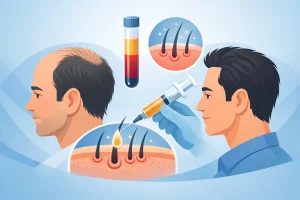
PRP therapy for hair loss can help reduce shedding and improve density. Learn how it works, who it suits, and what results to expect.
Find the best treatment for female hair loss with expert guidance on causes, proven options, and how personalized care supports lasting results.
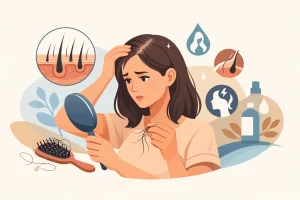
Learn what causes female hair thinning, from hormones and stress to scalp issues and nutrition, and when to seek expert treatment.