
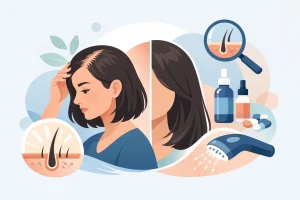
Best Treatment for Female Hair Loss
Find the best treatment for female hair loss with expert guidance on causes, proven options, and how personalized care supports lasting results.
Hair shedding often becomes real long before anyone else notices it. You see more strands in the shower, a widening part in bright light, or less volume around the crown when you style your hair. That is usually the point when women start researching prp therapy for hair loss – not because they want a trend, but because they want a treatment that feels grounded in real medicine.
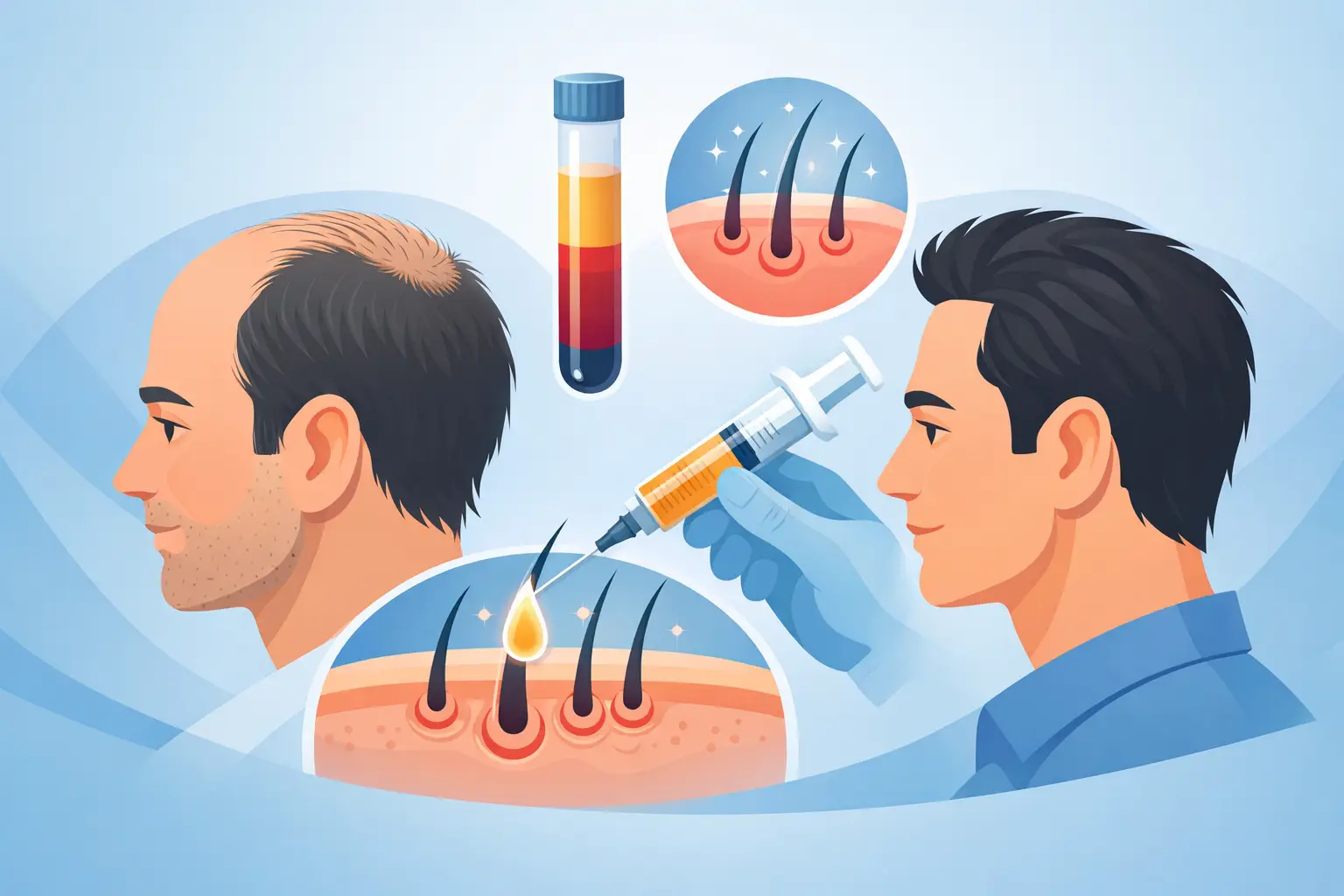
PRP has become one of the most requested non-surgical options in hair restoration, and for good reason. It uses your body’s own platelets to support weakened hair follicles, improve the scalp environment, and encourage stronger regrowth. But PRP is not magic, and it is not the right answer for every form of hair loss. The value is in knowing when it can help, what results are realistic, and how to build it into a treatment plan that actually makes sense for you.
PRP stands for platelet-rich plasma. The treatment begins with a small blood draw. That blood is processed to concentrate the platelets, which contain growth factors involved in tissue repair and healing. The platelet-rich plasma is then injected into targeted areas of the scalp where hair has become thinner or weaker.
The goal is not to create brand-new follicles where none exist. PRP works best by supporting follicles that are still alive but underperforming. In simple terms, it helps struggling follicles function better. That can mean reduced shedding, improved hair caliber, and better density over time.
This distinction matters. If a follicle has been inactive for too long or scar tissue is present, PRP is less likely to deliver meaningful improvement. That is why a proper diagnosis comes before any injection-based treatment. Hair loss is a symptom, not a single condition.
The women who tend to do best with PRP are those in the earlier to moderate stages of thinning, especially when follicles are still producing finer hairs. Female pattern hair loss is one of the most common reasons PRP is recommended. It may also be helpful in some cases of stress-related shedding, postpartum changes, or hair thinning linked to scalp inflammation, but timing and diagnosis are everything.
If someone has severe long-term thinning with significant follicle miniaturization, PRP may still have a role, but expectations need to be measured. It can improve quality more than quantity in some advanced cases. For others, PRP is best used alongside additional interventions rather than as a standalone treatment.
This is especially relevant for women because hair loss is often multifactorial. Hormonal shifts, nutritional deficiencies, thyroid changes, scalp disorders, chronic stress, and genetics can all overlap. A treatment that only targets one layer of the problem may fall short, even if the treatment itself is valid.
One of the biggest mistakes in hair restoration is treating PRP as a shortcut. If the root cause has not been identified, progress may be limited or temporary.
For example, if a woman has ongoing iron deficiency, active seborrheic dermatitis, traction damage, or an untreated scalp condition, PRP may not produce the result she hoped for. The scalp has to be in a healthier state for the follicles to respond well. In the same way, if internal triggers are still active, shedding can continue despite treatment.
This is where specialist care makes a real difference. A personalized approach may combine PRP with scalp therapy, blood work review, home care, targeted supplementation, topical treatment, or support after a hair transplant. At Dubai Hair Doctor, this kind of individualized planning is central to achieving visible and lasting change rather than chasing isolated procedures.
For many women, the biggest hesitation is not whether PRP is effective. It is whether the treatment will be uncomfortable, disruptive, or difficult to fit into a busy schedule.
A PRP session is typically completed in under an hour. After the blood is processed, the plasma is injected into the treatment areas across the scalp. Some clinics use numbing methods to improve comfort. Most patients describe the injections as tolerable, though sensitivity varies depending on the scalp area and individual pain threshold.
There is usually minimal downtime. Mild tenderness, redness, or a tight sensation can happen afterward, but these effects tend to settle quickly. Most women return to normal activities the same day or the next day, depending on the aftercare advice they receive.
PRP is not a one-time treatment if the goal is meaningful hair improvement. Most treatment plans start with a series of sessions spaced several weeks apart, followed by maintenance treatments based on progress and the underlying diagnosis.
That schedule matters because hair growth is slow. Follicles cycle over months, not days. You may notice reduced shedding first, then stronger texture, then gradual improvement in thickness or visible density. This is one reason honest guidance is so important. If someone expects dramatic regrowth after one session, disappointment is likely even when the treatment is working exactly as it should.
In practice, many women begin to see early changes within a few months, with fuller assessment happening later. Progress also depends on age, severity, scalp health, hormones, and whether PRP is being combined with other therapies.
The most reassuring answer is also the most honest one: yes, PRP can work, but results vary.
The best outcomes tend to include less daily shedding, improved hair strength, better quality in thinning zones, and a healthier scalp environment. Some women achieve visible thickening. Others notice that their hair becomes easier to style because it has more body and less fragility. These changes are meaningful, even if they do not look like a complete reversal of hair loss.
It also helps to understand what PRP cannot promise. It cannot permanently override hormonal drivers, stop every future episode of shedding, or replace the need for diagnosis. It is a strong tool, not a cure-all.
That honesty matters because hair loss is deeply personal. Women are often sold either false hope or unnecessary pessimism. Neither is helpful. The right conversation should leave you feeling informed, supported, and clear on what your own scalp is likely to respond to.
Because PRP uses your own blood, it is generally considered a low-risk treatment when performed correctly in a clinical setting. That said, low risk does not mean no screening is needed.
Medical history matters. Certain blood disorders, active infections, some medications, and specific scalp conditions may affect whether PRP is appropriate. Technique matters too. The quality of processing, the treatment protocol, and the person administering the injections all influence safety and consistency.
This is one reason women often prefer a specialist clinic over a general aesthetic setting. Hair restoration is not just about administering injections. It is about understanding scalp biology, female hair loss patterns, and what outcome is realistic for the person sitting in front of you.
The most effective PRP plans begin with a proper consultation, not a package. If your part is widening, your ponytail feels thinner, or your scalp is becoming more visible, the next step should not be guessing. It should be identifying what type of hair loss is happening and why.
For one woman, PRP may be the ideal next step. For another, it may be postponed until inflammation is controlled or deficiencies are addressed. For someone else, PRP may be useful as part of maintenance after a transplant or in combination with a broader prevention plan.
That is what individualized care looks like. It respects both the science and the emotional weight of hair loss. It also protects you from spending time and money on a treatment that is being used in the wrong context.
If you are considering PRP, the strongest starting point is a specialist assessment that looks beyond the hair strand and examines the full picture – scalp health, pattern of loss, medical history, and long-term goals. The right treatment is not the most popular one. It is the one that gives your hair the best chance to recover with honesty, safety, and support.
Find the best treatment for female hair loss with expert guidance on causes, proven options, and how personalized care supports lasting results.
Learn what causes female hair thinning, from hormones and stress to scalp issues and nutrition, and when to seek expert treatment.
Find the right hair thinning treatment for women with expert insight on causes, diagnosis, scalp health, PRP, and personalized care.

Learn when to see a female hair loss specialist, what to expect, and how expert diagnosis can lead to personalized, science-backed care.