
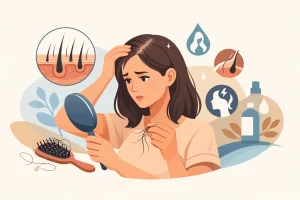
What Causes Female Hair Thinning?
Learn what causes female hair thinning, from hormones and stress to scalp issues and nutrition, and when to seek expert treatment.
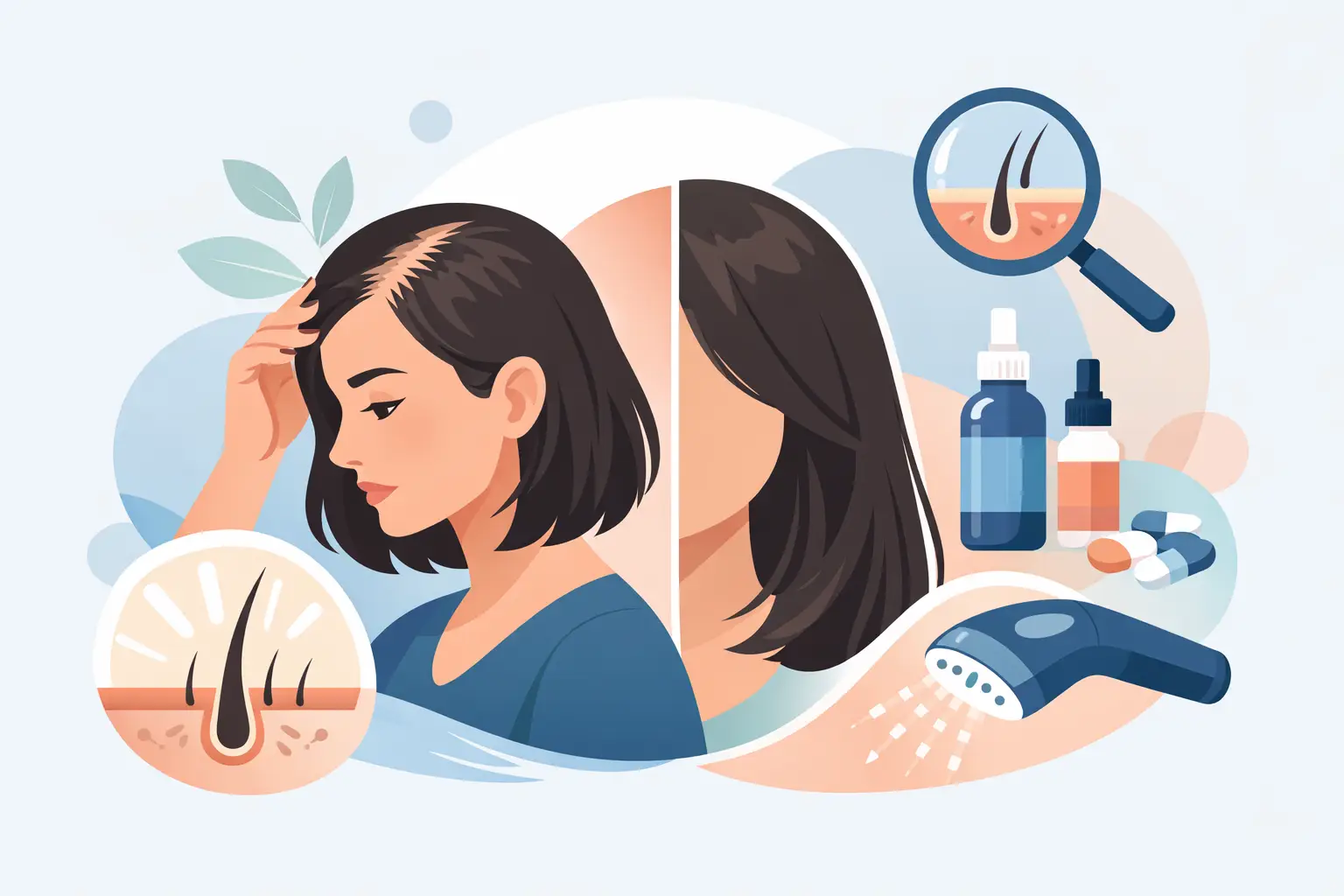
Hair on your brush is easy to ignore once. Hair at your part line, around your temples, or thinning through the crown is harder to dismiss – especially when it starts changing how you style your hair, what lighting you avoid, or how confident you feel walking into a meeting. The best treatment for female hair loss is rarely one universal fix. It depends on why the shedding or thinning is happening, how long it has been going on, and what your scalp and follicles need to recover.
The honest answer is that the best treatment is the one matched to the cause. Female hair loss is not a single condition. It can be driven by genetics, hormonal changes, low iron, stress, thyroid imbalance, postpartum shifts, scalp inflammation, traction from tight hairstyles, or a combination of several factors at once.
This is why many women spend months trying shampoos, supplements, or social media remedies and see little change. If the root issue is not identified, treatment can be too mild, too late, or simply the wrong fit. Good care starts with diagnosis, not guesswork.
For some women, early intervention with topical treatment and scalp therapy is enough to slow progression and improve density. For others, regenerative options such as PRP, medical-grade hair restoration support, or longer-term prevention programs make more sense. In advanced cases, transplant planning may be part of the conversation, but even then, scalp health and ongoing follicle support still matter.
Women often experience hair loss differently than men. Instead of a receding hairline alone, many notice widening at the part, diffuse thinning, reduced ponytail volume, or patchy shedding linked to stress or scalp conditions. The emotional impact can also be significant. Hair loss can affect self-image quietly and deeply, even when friends or family do not immediately notice the change.
That is why a cosmetic-only approach often falls short. Concealers, volumizing products, and styling tricks can help in the short term, but they do not address the health of the follicle or the scalp environment. A more effective plan looks at both visible hair thinning and the biological reason behind it.
Before any treatment begins, the most valuable step is a specialist assessment. This helps determine whether the issue is androgenetic hair loss, telogen effluvium, traction alopecia, inflammatory scalp disease, postpartum shedding, or another pattern entirely.
This step matters because timing affects results. Hair loss caused by active inflammation needs a different strategy than hair loss caused by hormonal sensitivity. The sooner the pattern is identified, the better the chance of preserving existing follicles and improving regrowth.
PRP therapy is one of the most widely used non-surgical options for women with thinning hair. It involves drawing a small sample of your blood, concentrating the platelets, and placing that plasma into targeted areas of the scalp. The goal is to support follicle activity and improve the growth environment.
PRP can be especially useful for early to moderate thinning and for women who want a regenerative treatment without surgery. It is not magic, and it does require consistency. Results tend to build over time, and some women need maintenance sessions to keep improvements going. It works best when follicles are weakened, not permanently inactive.
A healthy scalp gives hair the best chance to grow. If there is buildup, irritation, excess oil, poor circulation, or inflammation, follicles may struggle even when the right medical treatment is used.
Scalp therapy can help reset that environment. Depending on the condition, this may include deep cleansing, soothing treatment for irritation, hydration support, or therapies designed to improve scalp function. This is often underestimated, but for women dealing with both thinning and scalp discomfort, it can make a noticeable difference in how well the overall plan works.
Some women do not need one treatment. They need a structured plan. Prevention programs are valuable when hair loss is ongoing, seasonal, hormonally influenced, or at risk of getting worse without intervention.
A good program usually combines monitoring, topical or restorative support, scalp care, and adjustments over time. This is often the best path for women who want more than a quick fix and are looking for a strategy that protects long-term density.
At-home products can support treatment, but quality matters. The right products should be chosen based on scalp condition, hair type, and the reason for hair loss. A product that helps one woman may irritate another or do nothing if the underlying cause is different.
This is where expert guidance protects you from wasting time and money. Medical-grade or specialist-recommended products can play a useful role, but they work best as part of a plan rather than as a stand-alone answer.
For women with advanced thinning or areas where follicles are no longer active, surgical restoration may eventually be considered. That said, not every woman with hair loss is a transplant candidate, and not every case should begin there.
Transplant support should include careful assessment of donor density, scalp health, the pattern of loss, and what can realistically be achieved. Even when surgery is appropriate, it is usually strongest when paired with a long-term strategy to protect surrounding hair.
The best treatment for female hair loss also depends on how early you start. Hair follicles can miniaturize gradually. In the beginning, they may still respond well. Over time, they may become less capable of producing healthy strands. Waiting too long can reduce the range of effective options.
Consistency matters too. Hair growth is slow. Most women need patience, follow-up, and realistic expectations. Treatments that are promising on paper can disappoint when used irregularly or stopped too soon.
Lifestyle and health factors also influence progress. Iron deficiency, rapid weight loss, stress, hormonal shifts, and untreated scalp inflammation can all interfere with recovery. This does not mean every case is caused by lifestyle, but it does mean that visible results often require a full-picture approach.
If your part looks wider, your scalp is more visible under light, your ponytail feels thinner, or shedding has lasted longer than a few months, it is worth getting evaluated. The same is true if your scalp feels itchy, sore, flaky, or unusually oily while your hair is thinning.
These signs do not always point to permanent loss, but they do suggest that your scalp and follicles need attention. Expert support is especially important if you have already tried supplements or salon treatments without a clear result.
Women dealing with hair loss often arrive at a clinic frustrated, embarrassed, or tired of vague advice. A better experience starts with being heard. You should understand what is happening, why a treatment is being recommended, what results are realistic, and how progress will be tracked.
That is where specialist care makes a meaningful difference. A clinic focused on female hair loss should not rush you into a generic package. It should build a plan around your stage of hair loss, scalp health, medical history, and confidence goals. At Dubai Hair Doctor, that individualized approach is central because real improvement comes from treating the woman, not just the symptom.
If you are searching for the best treatment for female hair loss, look past bold claims and before-and-after promises alone. Ask whether the treatment matches your diagnosis, whether your scalp health is being addressed, and whether there is a plan to maintain results.
The right treatment should feel evidence-based, personalized, and realistic. It should also respect the emotional side of hair loss, because this is not only about strands of hair. It is about feeling like yourself again.
The good news is that many women can improve thinning, slow further loss, and restore fuller-looking hair with the right support. The most helpful next step is not trying one more random product. It is getting clear answers, early action, and a treatment plan built around your hair, your scalp, and your long-term confidence.
Learn what causes female hair thinning, from hormones and stress to scalp issues and nutrition, and when to seek expert treatment.
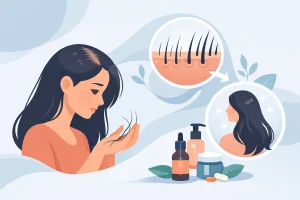
Find the right hair thinning treatment for women with expert insight on causes, diagnosis, scalp health, PRP, and personalized care.
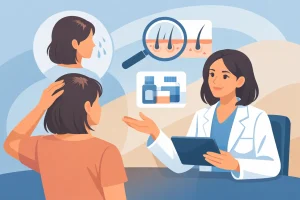
Learn when to see a female hair loss specialist, what to expect, and how expert diagnosis can lead to personalized, science-backed care.

When your search for a “hair fall clinic near me” in Dubai returns a seemingly endless list of options, it can feel overwhelming and deeply…