
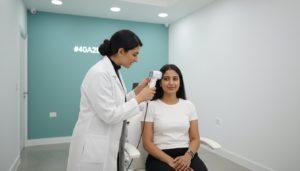
Finding the Best Hair Fall Clinic Near Me: A Dubai Patient’s Guide
When your search for a “hair fall clinic near me” in Dubai returns a seemingly endless list of options, it can feel overwhelming and deeply…
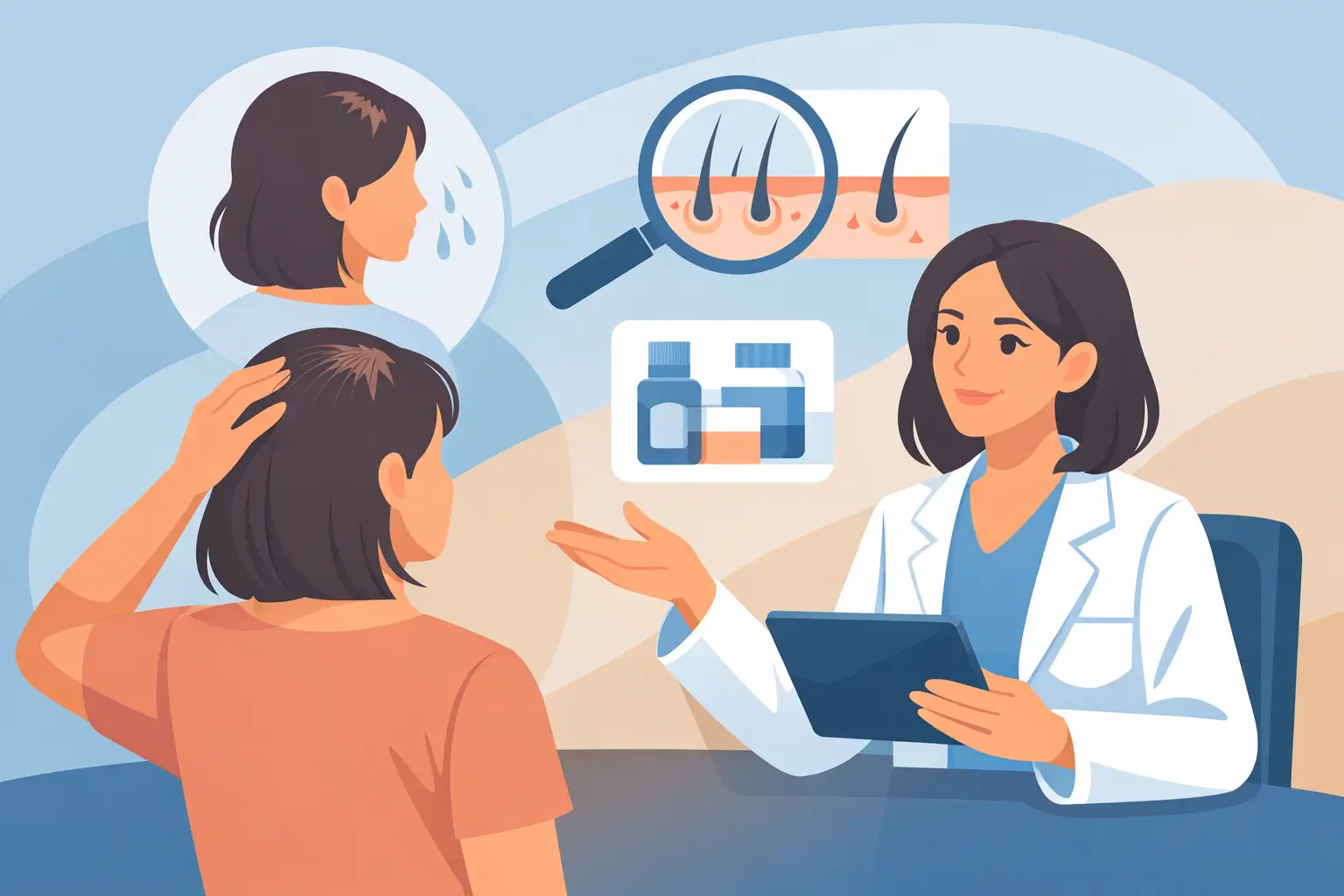
Hair shedding in the shower is one thing. Seeing your part widen, your ponytail shrink, or bare areas appear around the hairline is something else entirely. When those changes keep happening, a female hair loss specialist can help you move past guesswork and get clear answers based on what your scalp, hair history, and health profile are actually showing.
Many women wait far too long before seeking expert care. Some are told it is just stress. Others try supplements, oils, salon treatments, or trending products for months without understanding the real cause. Hair loss in women is rarely a one-size-fits-all issue, which is exactly why specialist assessment matters.
A female hair loss specialist focuses on the patterns, triggers, and treatment pathways that commonly affect women. That may sound straightforward, but it matters more than most people realize. Female hair loss often presents differently from male-pattern loss, and the emotional impact can be just as significant as the physical change.
Rather than offering cosmetic advice alone, a specialist looks at the full picture. That includes scalp health, inflammation, hormonal shifts, genetics, nutrition, stress load, styling habits, medical history, and the timeline of your shedding or thinning. The goal is not simply to identify that hair loss exists. The goal is to understand why it is happening and what can realistically improve it.
This is where specialist care stands apart from general beauty services or random online recommendations. A proper consultation should help distinguish between temporary shedding and progressive thinning, between scalp-related problems and follicle-related issues, and between concerns that may respond well to non-surgical treatment and those that may need a broader restoration plan.
Not every bad hair day needs a clinical appointment. But ongoing changes deserve attention, especially when they continue for more than a few weeks or seem to be getting worse.
You should consider seeing a specialist if you notice increased daily shedding, a wider center part, reduced volume through the crown, thinning at the temples, patchy loss, scalp irritation, flaking, burning, or tenderness. Hair that breaks easily can also point to scalp or shaft issues that need closer evaluation.
Timing matters. Some forms of hair loss respond better when caught early, before miniaturization progresses or inflammation affects the scalp environment for too long. Waiting is understandable, but it can reduce your options.
There are also life stages when hair changes are especially common. Postpartum shedding, perimenopause, menopause, rapid weight loss, high-stress periods, illness recovery, thyroid imbalance, and iron deficiency can all play a role. That does not mean every case is serious, but it does mean every case deserves proper context.
Search results can make hair loss feel oddly simple. Low iron. Hormones. Hard water. Tight hairstyles. The truth is that several causes can overlap at the same time.
A woman may have hereditary thinning made worse by stress. Another may think she has breakage when she is actually experiencing active shedding. Someone with an itchy scalp may focus on dandruff products while an underlying inflammatory condition continues untreated. Without specialist evaluation, it is easy to spend money on the wrong solution and lose valuable time.
This is also why trend-driven treatments can disappoint. A product may be excellent for one type of hair loss and completely unsuitable for another. PRP, scalp therapy, topical support, medical-grade products, and restoration planning can all be useful, but only when matched to the right diagnosis and stage.
A strong consultation should feel thorough, respectful, and honest. You should not feel rushed into a treatment menu without a clear explanation of what is being assessed.
Most specialist consultations begin with a detailed discussion of your history. When did the shedding start? Is it sudden or gradual? Have there been hormonal changes, recent illness, medications, stress events, or dietary shifts? Are there symptoms such as itching, oiliness, pain, or scaling? Family history is important too, but it is only one part of the picture.
Next comes scalp and hair evaluation. This may include close examination of scalp condition, follicle density, thinning pattern, and evidence of miniaturization or breakage. The purpose is to identify the type of loss and the health of the scalp environment supporting hair growth.
A trustworthy specialist will also talk clearly about expectations. Some conditions improve quickly once the trigger is addressed. Others require patience and consistent treatment over several months. Hair restoration is rarely instant, and honest guidance is often one of the most valuable parts of specialist care.
Female hair loss is not one diagnosis. It is a category that includes several very different conditions.
Female pattern hair loss is one of the most common. It usually shows up as diffuse thinning through the top or crown rather than a receding hairline. Telogen effluvium is another frequent concern and often appears as sudden increased shedding after stress, illness, childbirth, or nutritional disruption. In many cases, it improves once the trigger is corrected, but the recovery timeline can still be emotionally difficult.
Alopecia areata tends to cause patchy loss and may require fast attention. Traction alopecia is linked to long-term tension from certain hairstyles. Scalp disorders such as seborrheic dermatitis or inflammatory conditions can interfere with healthy growth if left unmanaged. Some women also deal with a mixed picture, where more than one issue is present at the same time.
That is why a personalized diagnosis matters so much. Similar symptoms do not always mean the same cause.
The best treatment plan depends on the diagnosis, severity, duration, and your broader health profile. It also depends on your goals. Some women want to stop shedding as quickly as possible. Others are focused on regrowth, scalp comfort, transplant support, or long-term prevention.
A specialist may recommend a combination approach rather than a single solution. That can include scalp health therapy, PRP, targeted home care, supportive products, prevention protocols, and ongoing monitoring. If hair transplantation is appropriate, specialist guidance before and after the procedure can make a meaningful difference in planning and maintenance.
This is where individualized care becomes more than a marketing phrase. The right treatment plan should account for how your hair loss behaves over time, how your scalp responds, and what is realistic for your lifestyle. Intensive in-clinic therapy may suit one patient well, while another benefits from a structured blend of digital follow-up and home-based support.
Hair loss is often minimized, especially in women. People may mean well when they say it is only hair, but that misses the reality completely. Hair is tied to identity, confidence, femininity, and how comfortable you feel in your own appearance.
A good specialist understands that clinical expertise alone is not enough. Women need privacy, reassurance, and transparent communication. They need to know whether their concern is temporary, manageable, progressive, or likely to respond with treatment. They also need realistic timelines, not false hope.
That combination of science-backed care and compassionate guidance is often what helps patients stay consistent. When you understand what is happening and why a plan has been designed for you, treatment feels more purposeful and less overwhelming.
Experience in female hair loss should be non-negotiable. Not every clinic that offers hair services is equipped to assess the complexity of women’s hair and scalp concerns. Look for a practice that prioritizes diagnosis, tailored treatment planning, hygiene, privacy, and long-term follow-up rather than quick cosmetic fixes.
It is also worth paying attention to how a clinic speaks about results. The strongest providers are confident, but not careless. They explain options clearly, set realistic expectations, and focus on visible improvement over time. If every answer sounds generic or every patient is pushed toward the same treatment, that is usually a sign to be cautious.
For women seeking specialized, discreet support, Dubai Hair Doctor reflects this more personalized model of care, combining trichology expertise with individualized treatment pathways designed around real female hair loss concerns.
Hair loss can feel deeply personal, but getting expert help should not feel intimidating. The right specialist gives you something most women have been missing for far too long – a clear diagnosis, a tailored plan, and the reassurance that your concerns are being taken seriously.
When your search for a “hair fall clinic near me” in Dubai returns a seemingly endless list of options, it can feel overwhelming and deeply…
Is your bathroom cabinet filled with expensive products that promised results but delivered only disappointment? The cycle of trying and failing is…
The journey with hair loss is deeply personal and often overwhelming. When you’re faced with countless clinics and confusing information, the search…

Noticing your hair is thinning can be a deeply personal and often distressing experience. If you’ve felt a dip in your confidence while navigating a…