Does PRP Help Hair Regrowth? What to Expect
Does PRP help hair regrowth? Learn who it helps, when results show, and why scalp diagnosis matters before starting treatment.

Navigating the world of hair loss solutions can feel overwhelming. With countless online articles, “miracle” products, and conflicting advice, it’s easy to feel lost, waste money on ineffective treatments, and worry that your hair loss is permanent. This cycle of hope and disappointment can take a significant toll on your self-confidence, leaving you searching for a trustworthy source of information. The journey to effective hair regrowth shouldn’t be filled with confusion and false promises. It requires clarity, scientific backing, and a compassionate understanding of your concerns.
This guide is designed to be your definitive resource. We will cut through the marketing hype to separate medical facts from common myths. Here, you will discover the science-backed treatments that genuinely work, understand the biological processes behind hair restoration, and find a clear, reliable path forward. Our goal is to empower you with expert knowledge, helping you make informed decisions to not only restore your hair but, most importantly, to renew your confidence and regain a sense of control over your hair’s future.
To embark on a journey towards effective hair regrowth, we must first understand the remarkable science working beneath our scalp. Your hair doesn’t grow continuously; instead, each follicle operates on a delicate, cyclical schedule. Understanding this process is the first, most crucial step in identifying imbalances and finding a science-backed solution to restore your hair and your confidence.
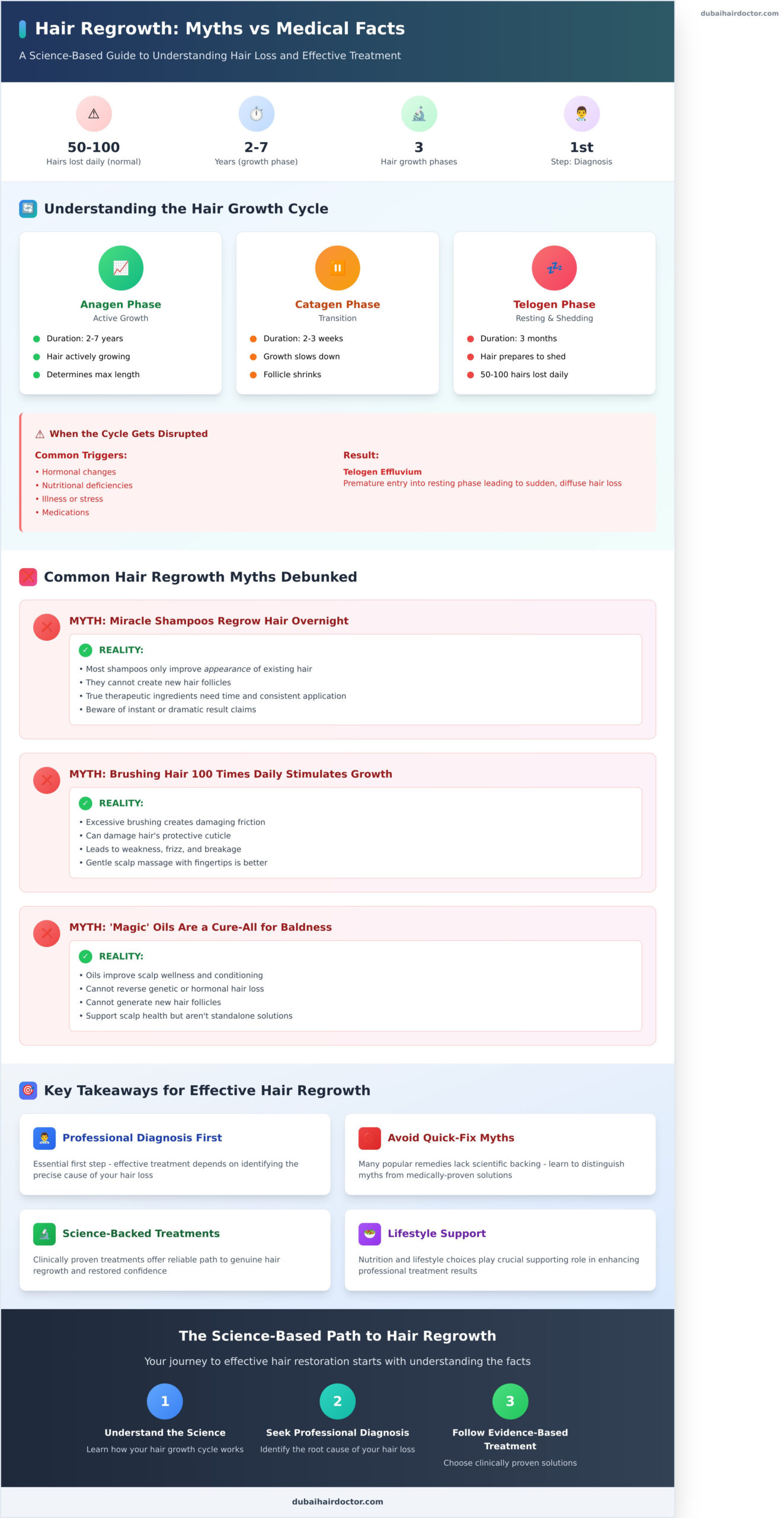
Every single hair on your head progresses through three distinct phases. When this cycle is balanced, shedding is a normal, almost unnoticeable event. However, when it’s disrupted, you may begin to see signs of thinning. The primary phases are:
This is the active, productive stage where your hair follicle is diligently producing the hair fibre you see. The Anagen phase can last anywhere from two to seven years, and its duration directly determines the maximum length your hair can achieve. A healthy, prolonged Anagen phase is supported by excellent scalp wellness, balanced nutrition, and stable hormonal health, creating the ideal environment for strong, vibrant hair to flourish.
After a brief transition, the hair follicle enters the Telogen, or resting, phase. During this time, the hair strand is no longer growing and is preparing to shed. It is perfectly normal to lose between 50 and 100 of these Telogen hairs each day to make way for new growth. However, significant stressors like illness, hormonal shifts, or nutritional deficiencies can trigger a condition known as Telogen Effluvium. This shock to the system pushes a large number of hairs prematurely into the resting phase, leading to sudden, diffuse shedding. This condition is just one of many discussed in this comprehensive overview of hair loss, which details various triggers for thinning.
Recognising how these phases work provides the clinical foundation for diagnosing hair loss. When this natural rhythm is disturbed, a targeted treatment plan becomes essential to re-establish a healthy cycle and encourage meaningful, lasting hair regrowth.
When you’re concerned about hair thinning, the internet can feel like a maze of quick fixes and miracle cures. It’s natural to seek immediate solutions, but many popular remedies are based on misinformation rather than medical science. Understanding the difference between marketing claims and effective treatments is the first step toward restoring your hair and your confidence. The path to genuine hair regrowth is paved with science, not shortcuts. It’s crucial to focus on clinically proven hair loss therapies that address the biological causes of hair loss, rather than pursuing myths that fail to deliver real results.
While many cosmetic products claim to promote hair growth, it’s essential to understand their true function. Most over-the-counter shampoos and serums are designed to improve the appearance of your existing hair-making it look thicker, shinier, and more voluminous. However, they do not create new hair follicles. True therapeutic ingredients require time and consistent application to penetrate the scalp and have any effect. Be wary of any product that promises instant or dramatic results, as these claims are not supported by science.
This is an old belief that can unfortunately do more harm than good. Aggressive or excessive brushing creates friction that can damage the hair’s protective cuticle, leading to weakness, frizz, and breakage. Instead of stimulating growth, this practice can actually contribute to hair thinning. For scalp health, we recommend gentle brushing to detangle and a soft, circular scalp massage with your fingertips to help promote healthy blood circulation without damaging your delicate hair strands.
Natural oils like rosemary, castor, and coconut oil are widely praised for their conditioning properties. They can certainly improve scalp wellness by moisturizing the skin and strengthening the hair shaft, which helps reduce breakage. However, it is a significant myth that any oil can be a cure-all for baldness. These oils cannot reverse hormonal or genetic hair loss, such as androgenetic alopecia, because they cannot generate new hair follicles. Improving scalp health is a vital part of hair care, but it is not the same as a medical treatment designed for hair restoration.
Navigating the world of hair loss solutions can be overwhelming. After separating folklore from fact, we can focus on what truly works: treatments validated by rigorous scientific research. These medical-grade solutions, when guided by a specialist, offer a reliable path towards effective hair regrowth. It is crucial to remember that a correct diagnosis is the foundation of any successful treatment plan, as the most effective approach is always one tailored to your specific condition and needs.
A widely recognized and trusted topical solution, Minoxidil is a cornerstone in treating pattern hair loss. Its primary mechanism involves acting as a vasodilator, which means it widens the blood vessels in the scalp. This increased blood flow delivers more oxygen and nutrients to the hair follicles. Biologically, this process helps to shorten the resting (Telogen) phase of the hair cycle and extend the active growth (Anagen) phase. For optimal results, consistent daily application is essential, with visible improvements typically appearing after several months of dedicated use.
Low-Level Laser Therapy is a non-invasive and painless treatment that harnesses the power of light to stimulate cellular activity within the hair follicles. The device emits specific wavelengths of red light that are absorbed by the scalp’s cells, a process known as photobiomodulation. This energy helps to enhance metabolic processes, encouraging dormant follicles to re-enter the growth phase. Often used in conjunction with other treatments, LLLT is a gentle yet effective way to support follicle health and improve hair density without chemicals or medication.
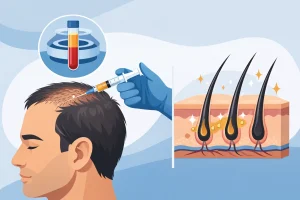
PRP Therapy is an advanced, science-backed treatment that utilizes your body’s own natural healing capabilities. The process begins with a simple blood draw, from which we isolate a concentrated solution of platelets. This Platelet-Rich Plasma is rich in growth factors-powerful proteins that act as messengers to signal cellular regeneration. When carefully injected into the scalp, these growth factors can awaken dormant hair follicles, improve the health of existing hair, and stimulate new, stronger growth. This holistic approach aligns with dermatologist-recommended strategies for comprehensive care, as outlined in these Dermatologist tips for managing hair loss.
The journey to restoring your hair and confidence is deeply personal. While these clinically proven treatments offer powerful solutions, the most effective path is one designed specifically for you. Understanding the root cause of your hair loss is the first and most critical step towards achieving meaningful, lasting results in your hair regrowth journey.
Discover if science-backed treatments are right for you. Book a consultation.
Embarking on a journey to combat hair loss can feel overwhelming, with countless products promising miraculous results. However, the most critical error is attempting to treat the problem without understanding its origin. Hair loss is not the disease itself; it is a symptom of an underlying imbalance or condition. Effective, sustainable treatment begins not with a product, but with a precise diagnosis from a qualified specialist.
This is where the science of trichology provides clarity. A certified trichologist moves beyond guesswork, using medical expertise to identify the specific trigger for your hair thinning. Opting for a professional diagnosis means trading the frustrating and costly cycle of trial-and-error for a science-backed, personalized plan designed for real results.
Female hair loss is a complex issue with a wide range of potential causes. A specialist will investigate various factors to pinpoint the root of the problem, which often includes one or more of the following:
Your first consultation is a comprehensive, compassionate, and entirely confidential process. It is a problem-solving session designed to give you answers and a clear path forward. The process typically involves a detailed discussion about your medical history, diet, and lifestyle, followed by a thorough scalp examination using advanced tools like a trichoscope for magnified analysis. This in-depth evaluation allows us to build a complete picture of your scalp health and create a tailored treatment plan for effective hair regrowth, helping you move forward with clarity and renewed confidence.
To begin your journey toward healthier hair, understanding your unique situation is the essential first step. Book a consultation to receive a professional diagnosis and a compassionate, science-backed solution.
While science-backed medical treatments are the cornerstone of effective hair restoration, a holistic approach that incorporates supportive lifestyle and nutritional habits can significantly enhance your results. Building a strong foundation from within creates the optimal environment for healthy hair follicles to thrive. It is crucial to view these practices as complementary pillars that support your primary treatment plan, not as replacements for professional medical care.
Your hair is a direct reflection of your internal health. To build strong, resilient strands, your body requires a consistent supply of key nutrients. A balanced diet rich in the following can make a profound difference:
Furthermore, optimal gut health is critical for ensuring these vital nutrients are properly absorbed and utilized by your body.
Chronic stress elevates cortisol levels, a hormone that can disrupt the natural hair growth cycle and trigger excessive shedding (telogen effluvium). Integrating stress-management techniques into your daily routine is a compassionate act of self-care that supports your journey to hair regrowth. Consider practicing mindfulness, engaging in gentle exercise like yoga or walking, and prioritizing 7-8 hours of quality sleep each night to allow for crucial cellular repair and regeneration.
Protecting your hair from external damage is just as important as nourishing it from within. Adopt gentle habits to preserve hair integrity and prevent unnecessary breakage. This includes reducing the use of high-heat styling tools, avoiding tight hairstyles that pull on the follicles, and choosing sulfate-free shampoos that cleanse without stripping natural oils. In the UAE’s sunny climate, protecting your hair and scalp from UV and chlorine damage is also a vital step in maintaining hair wellness.
True hair wellness is a comprehensive journey. Let our experts create a holistic plan tailored to your unique needs, combining medical expertise with compassionate, supportive care to help restore your hair and your confidence. Start your journey today.
Navigating the world of hair loss is a journey, but you don’t have to walk it alone or rely on myths. The key to success lies in understanding the science, embracing medically-proven treatments, and recognizing that a professional diagnosis is the essential first step. Effective hair regrowth is not about finding a magic cure, but about implementing a strategic, science-backed plan tailored specifically to you.
At Dubai Hair Doctor, we provide compassionate, science-backed solutions with specialized expertise in female hair loss. We are dedicated to creating personalized treatment plans that restore not just your hair, but your confidence. Stop the guesswork and start your journey toward real results today.
Book a professional consultation to understand the true cause of your hair loss. Let us help you take control and rediscover the full, healthy hair you deserve.
Patience and consistency are vital on your hair restoration journey. While individual results vary, most clients begin to see noticeable improvements within three to six months of starting a consistent, science-backed treatment plan. This timeline aligns with the natural hair growth cycle. Initial changes may be subtle, such as reduced shedding or fine, new hairs, with more significant density and coverage appearing after six months. A personalized consultation helps set realistic expectations for your specific condition.
Yes, in many cases, hair loss triggered by stress (a condition known as Telogen Effluvium) is temporary and can be reversed. The key is to address the underlying stressor while supporting the hair’s natural growth cycle. By implementing effective stress management techniques and ensuring proper nutrition and scalp care, the excessive shedding typically subsides. The hair then gradually returns to its normal thickness and density over several months as the follicles recover and resume their growth phase.
The effectiveness of hair supplements depends entirely on the root cause of your hair loss. If your thinning is linked to a specific nutritional deficiency, such as low iron, Vitamin D, or zinc, then targeted supplementation can be highly beneficial. However, for genetic or hormonal hair loss, supplements alone are not a cure. We recommend a comprehensive blood test to identify any deficiencies before you invest in supplements, ensuring a targeted, science-backed approach to your scalp wellness.
Regrowing hair on a bald spot is possible, but it depends on the health of the hair follicles. If the follicles are dormant but still alive, treatments like PRP can stimulate them to produce hair again. The success of any effective hair regrowth plan is highest when treatment begins early. However, if the follicles are scarred and permanently damaged, as seen in some types of alopecia, regrowth is not possible in that specific area. A professional scalp analysis is crucial to determine the potential for regrowth.
Both professionals play important roles in hair health. A dermatologist is a medical doctor who specializes in skin, hair, and nails; they can diagnose underlying medical conditions causing hair loss and prescribe medication. A trichologist is a certified specialist who focuses specifically on the science of hair and scalp health. They provide in-depth analysis of the hair and scalp, offering holistic and cosmetic treatments to improve scalp wellness and hair condition. At our clinic, we integrate both perspectives for a comprehensive solution.
While home remedies like onion juice or rice water are popular online, there is very limited scientific evidence to support their effectiveness for clinical hair loss conditions like androgenetic alopecia. These remedies may temporarily improve the cosmetic appearance or condition of the hair shaft, but they do not address the underlying biological causes of hair thinning. For genuine, lasting results, we advocate for compassionate, science-backed solutions that are clinically proven to stimulate follicles and restore your confidence.
Does PRP help hair regrowth? Learn who it helps, when results show, and why scalp diagnosis matters before starting treatment.
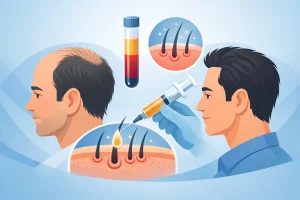
PRP therapy for hair loss can help reduce shedding and improve density. Learn how it works, who it suits, and what results to expect.
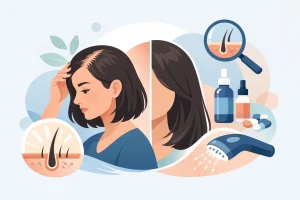
Find the best treatment for female hair loss with expert guidance on causes, proven options, and how personalized care supports lasting results.
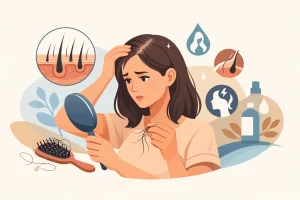
Learn what causes female hair thinning, from hormones and stress to scalp issues and nutrition, and when to seek expert treatment.