
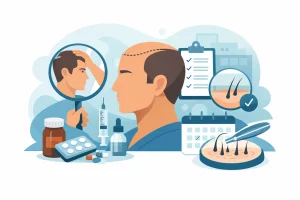
How to Prepare for Hair Transplant Surgery
Learn how to prepare for hair transplant surgery with clear advice on assessments, medicines, scalp care, recovery planning and realistic expectations.
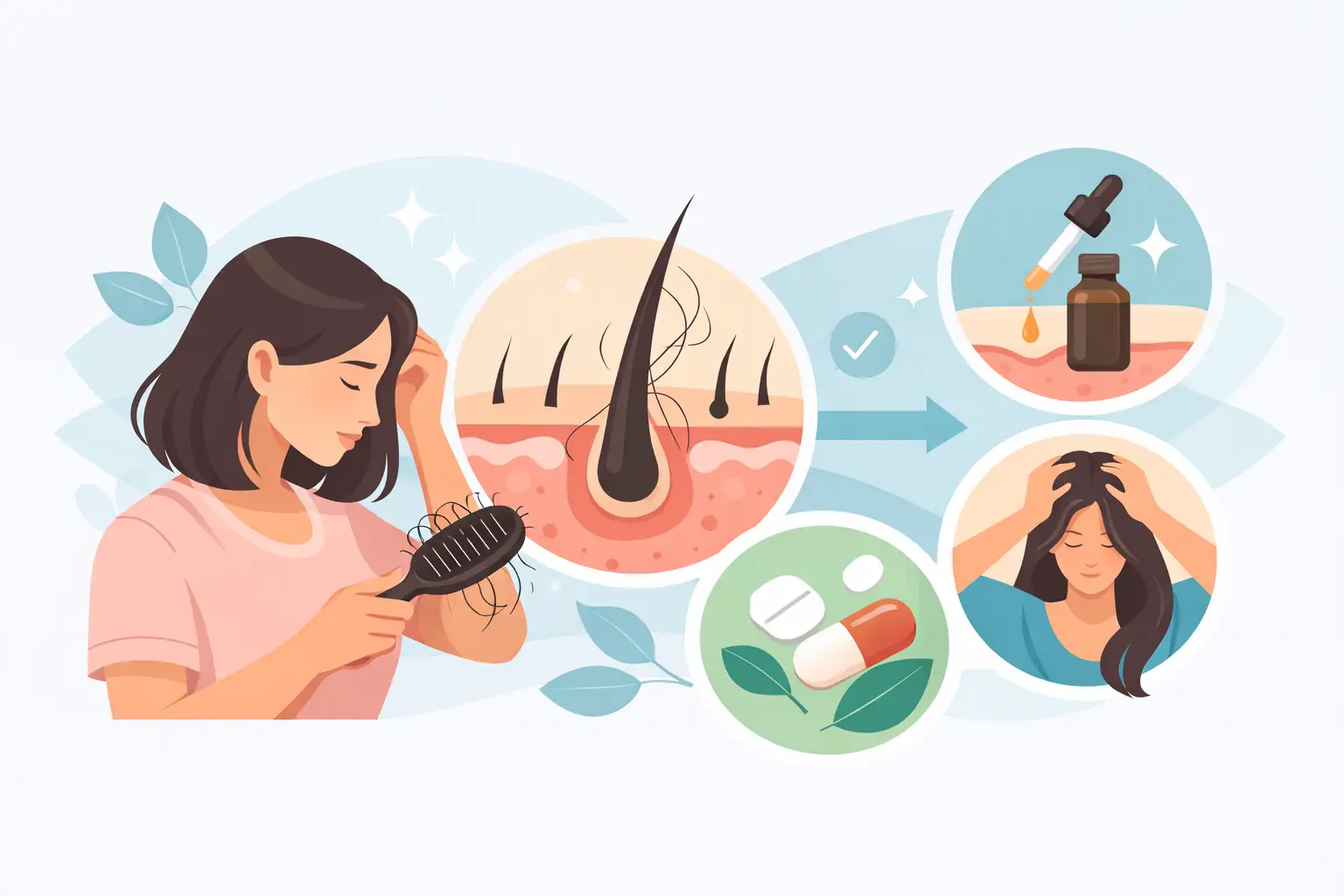
Seeing more hair in the shower, on your pillow or caught in your brush can feel deeply unsettling, particularly when it continues for weeks. The phrase women’s best hair fall treatment suggests there is one quick solution, but meaningful improvement starts with understanding why your hair is shedding or thinning in the first place. A treatment that works well for one woman may be ineffective, or even unsuitable, for another.
Hair loss is not simply a cosmetic concern. It can affect confidence, how you feel at work or socially, and the ease with which you recognise yourself in the mirror. The right support combines a detailed assessment, scalp-focused care and a plan designed around your individual pattern of hair loss.
Some shedding is normal. Hair naturally moves through a growth cycle, and it is usual to lose a number of hairs each day. The concern arises when the shedding is noticeably heavier than usual, your parting appears wider, your ponytail feels smaller, or sparse areas become visible around the crown, temples or hairline.
In women, hair fall can have many triggers. Stressful events, illness, rapid weight changes, restrictive dieting, hormonal shifts, pregnancy, menopause, thyroid concerns and low iron stores may all influence the hair cycle. Certain medications and inflammatory scalp conditions can also play a role. In some cases, there is a genetic tendency towards female-pattern hair thinning, which often develops gradually as density reduces across the top of the scalp.
This is why buying another shampoo or supplement after a disappointing experience can become frustrating. Products may support hair and scalp condition, but they cannot reliably correct an untreated medical, hormonal or scalp-related cause. A clear diagnosis protects you from wasting time during a period when early action may make a real difference.
The best treatment is not the most heavily advertised one. It is the one that matches your diagnosis, hair history, scalp condition and goals. A specialist consultation should look beyond the hair strands themselves.
Your practitioner may ask when the shedding began, whether it followed a particular event, how quickly it has progressed and whether there is a family history of thinning. They should also review your general health, diet, medications, menstrual or menopausal changes, styling routine and any symptoms such as itching, flaking, tenderness or excess oiliness.
A close scalp and hair assessment helps distinguish between active shedding, miniaturisation of individual hairs, breakage caused by chemical or heat damage, and scalp concerns that may be disrupting healthy growth. Where appropriate, you may be advised to speak with your GP or arrange blood tests to investigate possible underlying factors. Honest guidance matters here: not every form of hair loss responds to the same clinical treatment, and some need medical management alongside trichology care.
A well-designed programme is often multi-layered. Its purpose is to reduce avoidable shedding, improve the scalp environment and support stronger, healthier-looking growth over time. Your plan should be reviewed as your hair responds, rather than left unchanged for months.
The scalp is the foundation for every hair follicle. Build-up, inflammation, dandruff, irritation and excessive oil can make the scalp uncomfortable and may interfere with a healthy hair-growth environment. Targeted scalp treatments and carefully selected home-care products can help restore balance without over-cleansing or irritating sensitive skin.
For some women, clinically appropriate topical therapies may also be recommended to support the growth cycle. These require consistency and professional advice, particularly if you are pregnant, breastfeeding, trying to conceive, managing a medical condition or taking prescription medication. Results take time because hair grows slowly. Early shedding changes can occur with certain treatments, so it is important not to stop or switch products without discussing what you are experiencing.
Platelet-Rich Plasma, or PRP, uses a concentration of platelets prepared from your own blood. The plasma is introduced into selected areas of the scalp with the aim of supporting follicle activity and improving hair quality and density in suitable candidates.
PRP is not a miracle cure, and it is not appropriate for every cause of hair loss. It can be a valuable part of a plan for women with certain thinning patterns, particularly when paired with scalp care and consistent maintenance. A course of sessions is normally advised, followed by review and maintenance where needed. Your practitioner should be clear about the likely benefits, the number of sessions recommended and the results that are realistic for your starting point.
Hair is not a priority tissue for the body during periods of physical stress or nutritional deficiency. If your assessment identifies possible triggers such as low protein intake, restrictive eating, poor sleep or a nutrient deficiency, addressing them can be an essential part of recovery.
Supplements are not automatically the answer. Taking high-dose vitamins without evidence of a need may be unhelpful and can occasionally create further imbalance. A more considered approach is to identify what may be missing, improve daily habits where possible and seek medical advice when symptoms point to an underlying health concern.
Hair transplantation can be considered for selected women, but it is not a first-line answer for active or diffuse shedding. Donor availability, the stability of hair loss and the health of existing hair all need careful assessment. For those who are suitable, pre- and post-operative scalp care can support planning, recovery and the protection of surrounding native hair.
The most reassuring results are usually gradual. Hair growth moves in cycles, so visible changes often take several months rather than several weeks. Initially, success may mean less shedding, a calmer scalp or reduced breakage. Over time, you may see improved hair calibre, better coverage through the parting and more confidence when styling your hair.
Progress is best measured through consistent photographs, scalp reviews and honest comparison with your baseline. This is more reliable than checking the mirror every morning, when lighting, hair length and styling can make density look different from one day to the next.
It also helps to separate recovery from perfection. Where follicles remain active, treatment may strengthen and preserve existing hair while encouraging improved density. Where follicles have been inactive for a long time, the aim may be to slow further loss and create the best possible appearance with a realistic maintenance plan.
When you are worried about hair loss, it is understandable to try several products at once. Yet constantly changing shampoos, oils, supplements and treatments makes it difficult to know what is helping and may irritate an already sensitive scalp. Give an evidence-led plan enough time to work, while keeping your practitioner updated about any changes.
Avoid tight styles that pull at the hairline, frequent bleaching or chemical processing when hair is fragile, and aggressive brushing of wet hair. These habits do not usually cause female-pattern thinning, but they can add breakage and traction-related stress to hair that is already vulnerable.
Be cautious about dramatic claims too. No responsible specialist can promise identical regrowth for every woman. Good care involves transparent expectations, clear aftercare and a willingness to adjust the plan if your response is not what was anticipated.
At Dubai Hair Doctor, female hair loss care is approached as a personal clinical journey, not a one-size-fits-all cosmetic service. Whether your concern is sudden shedding, a widening parting, post-pregnancy hair changes or long-standing thinning, the first step is to understand what your scalp and follicles need now.
You do not have to wait until hair loss feels impossible to hide. Seeking specialist advice early can give you clarity, a structured plan and the reassurance of being supported at every stage. Your hair may be changing, but with the right assessment and consistent care, confidence can begin to return.
Learn how to prepare for hair transplant surgery with clear advice on assessments, medicines, scalp care, recovery planning and realistic expectations.
Hair thinning can have many causes. Learn how a specialist scalp assessment identifies triggers and builds a clear plan for healthier, fuller-looking hair.
What causes female hair loss? Learn about hormones, stress, nutrition, scalp health and medical factors, plus when personalised expert care can help you.
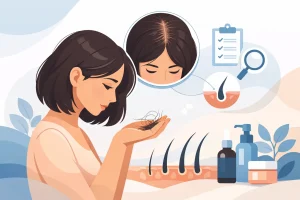
Female hair loss treatment starts with a specialist assessment, scalp health and a personal plan for stronger, fuller-looking hair and renewed confidence.