
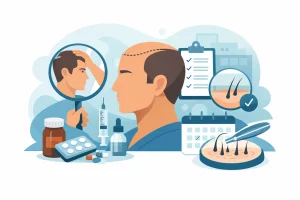
How to Prepare for Hair Transplant Surgery
Learn how to prepare for hair transplant surgery with clear advice on assessments, medicines, scalp care, recovery planning and realistic expectations.
Seeing more hair in the shower, on your brush, or along a widening parting can change how you feel about your appearance far sooner than other people realise. This PRP hair restoration guide is designed to give you clear, honest guidance on platelet-rich plasma treatment – what it can do, who it may suit, and why a proper scalp and hair-loss assessment should come first.
PRP is not a miracle cure, and it is not the right answer for every type of hair loss. For the right person, however, it can be a valuable part of a personalised plan to support stronger-looking, fuller hair and help preserve existing density.
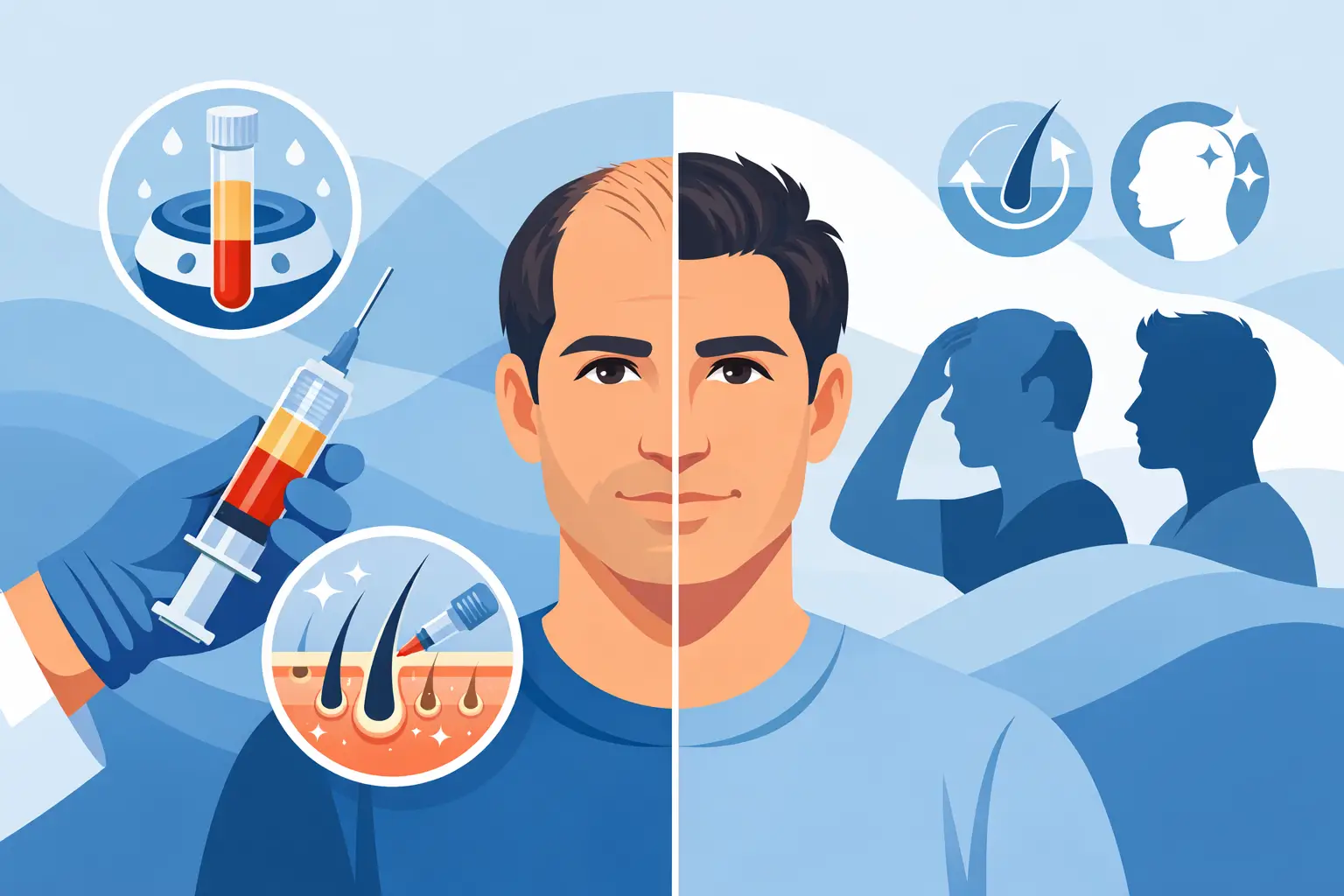
PRP stands for platelet-rich plasma. Platelets are naturally present in your blood and contain growth factors involved in tissue repair and regeneration. During PRP treatment, a small blood sample is taken and placed in a centrifuge. This separates the platelet-rich plasma from other blood components.
The concentrated plasma is then carefully introduced into areas of thinning on the scalp through a series of small injections. The aim is to support follicle activity, improve the environment around the hair follicle, and encourage healthier hair growth over time.
Because PRP is prepared from your own blood, it is an autologous treatment. That can be reassuring for clients who prefer a treatment approach that does not rely on donor material. Still, natural does not automatically mean suitable. Your medical history, scalp condition, pattern of loss and treatment goals all matter.
PRP tends to be most helpful when hair follicles are still present but producing finer, weaker or slower-growing hairs. This is often the case in early to moderate pattern hair thinning, including female-pattern hair loss and androgenetic hair loss in men.
Many women seek support after noticing a wider parting, reduced volume through the crown, or a ponytail that feels less substantial. Men may notice gradual recession, thinning at the temples or reduced density at the vertex. In either case, early intervention usually gives more opportunity to protect and improve existing follicles than waiting until an area has become completely bare.
It may also be considered as part of pre- or post-operative care for selected hair transplant patients, where the wider goal is to support scalp health and the quality of existing surrounding hair. The timing should always be guided by your practitioner and surgeon.
PRP may be less effective where follicles have been inactive for a long period, in areas of advanced baldness, or when hair loss is caused by untreated medical or inflammatory scalp conditions. Sudden shedding after illness, significant stress, childbirth, nutritional deficiency or medication changes needs careful investigation. Treating the visible symptom without understanding the trigger can delay the right care.
Hair thinning is rarely just a cosmetic concern. The scalp is the environment in which each follicle functions, and irritation, excess oil, flaking, inflammation or build-up can affect both comfort and hair quality. A healthy-looking scalp also does not always rule out an underlying cause of shedding.
A specialist consultation should look beyond the amount of hair you have lost. It should consider your history, family pattern, menstrual or hormonal changes where relevant, recent health events, diet, styling practices, medications and scalp symptoms. Close examination can help distinguish between gradual pattern thinning, temporary shedding, breakage and forms of hair loss that require medical referral.
This is particularly important for women, who are often told that thinning is simply part of ageing or stress. While those factors can contribute, there may be a pattern that can be managed with the right combination of treatment, scalp care and ongoing monitoring.
At Dubai Hair Doctor, PRP is approached as one element of a tailored hair recovery plan, not a one-size-fits-all procedure. That means setting realistic goals before treatment begins and measuring change over time rather than relying on promises.
A PRP session usually begins with a review of your progress and scalp condition. A small amount of blood is drawn, much like a routine blood test, then processed to concentrate the platelet-rich plasma.
The scalp is prepared and the PRP is administered to the targeted thinning areas. You may feel brief pinching or pressure during the injections. Sensitivity varies from person to person, particularly around the hairline and crown, but treatment is generally well tolerated. Your practitioner can explain comfort measures available to you before the session.
Appointments are usually relatively short, allowing many clients to return to their day afterwards. You may have mild tenderness, redness or a feeling of tightness in the treated area for a short time. Specific aftercare guidance matters, including when to wash your hair, resume strenuous exercise and use scalp products.
PRP is normally delivered as a course rather than a single appointment. The exact schedule depends on your pattern and degree of thinning, how your scalp responds, and whether PRP is being combined with other treatments.
Many treatment plans begin with sessions spaced several weeks apart, followed by review and maintenance appointments where appropriate. Hair growth follows a slow biological cycle, so visible changes take time. It is reasonable to expect improvement to be assessed over months, not days.
Photographs taken under consistent lighting and parting positions can be useful. They make subtle changes in coverage, density and hair calibre easier to track than relying on a day-to-day mirror check, which can be influenced by styling, humidity and anxiety.
The best PRP results are often gradual. Some clients first notice less shedding or that their hair feels stronger and easier to style. Over time, existing hairs may appear thicker and areas of diffuse thinning may look more covered. Results differ considerably, and no ethical practitioner should guarantee regrowth.
PRP cannot recreate follicles that are no longer active, nor can it override an untreated hormonal, nutritional or medical driver of hair loss. Its value is often in helping you make the most of follicles that remain viable while addressing the factors that may be working against them.
Your plan may include recommended scalp products, nutritional support where appropriate, management of dandruff or inflammation, and practical guidance on heat, chemical processing and traction. If your hair loss requires medical investigation or prescription treatment, you should be directed to the appropriate clinician.
PRP is generally considered a low-risk procedure when performed using appropriate clinical protocols, but it still involves injections. Temporary discomfort, bruising, swelling, tenderness and headache can occur. Infection is uncommon but remains a potential risk with any injectable treatment.
You should disclose all medications, supplements, allergies, health conditions and recent illnesses before proceeding. Certain blood disorders, active scalp infections, some autoimmune conditions, pregnancy or breastfeeding, and medicines that affect clotting may mean treatment needs to be postponed, adapted or avoided. Do not stop prescribed medication without advice from the clinician who manages it.
The most reassuring route is not to choose PRP solely because it is popular. Choose it because an experienced practitioner has assessed whether it matches your diagnosis, expectations and long-term hair goals.
Before committing to treatment, ask what type of hair loss you have, whether your scalp has signs of inflammation, how progress will be recorded, and what the plan will be if results are limited. You should also understand the likely number of sessions, maintenance requirements, aftercare and total investment.
A good consultation leaves room for honest answers. Sometimes PRP is a sensible option. Sometimes another treatment should take priority first. Both outcomes can move you closer to healthier hair because both are based on understanding what your hair and scalp genuinely need.
Hair loss can feel intensely personal, but you do not have to make treatment decisions from a place of worry. With a clear diagnosis, realistic expectations and consistent specialist support, you can take a considered next step towards hair that feels healthier, stronger and more like your own.
Learn how to prepare for hair transplant surgery with clear advice on assessments, medicines, scalp care, recovery planning and realistic expectations.
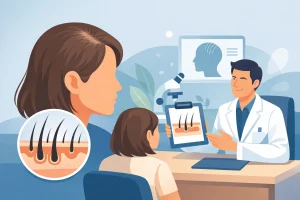
Hair thinning can have many causes. Learn how a specialist scalp assessment identifies triggers and builds a clear plan for healthier, fuller-looking hair.
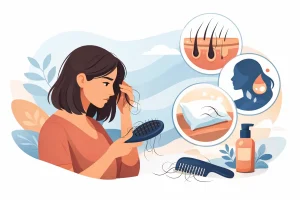
What causes female hair loss? Learn about hormones, stress, nutrition, scalp health and medical factors, plus when personalised expert care can help you.
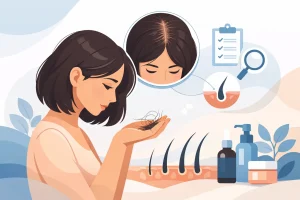
Female hair loss treatment starts with a specialist assessment, scalp health and a personal plan for stronger, fuller-looking hair and renewed confidence.